
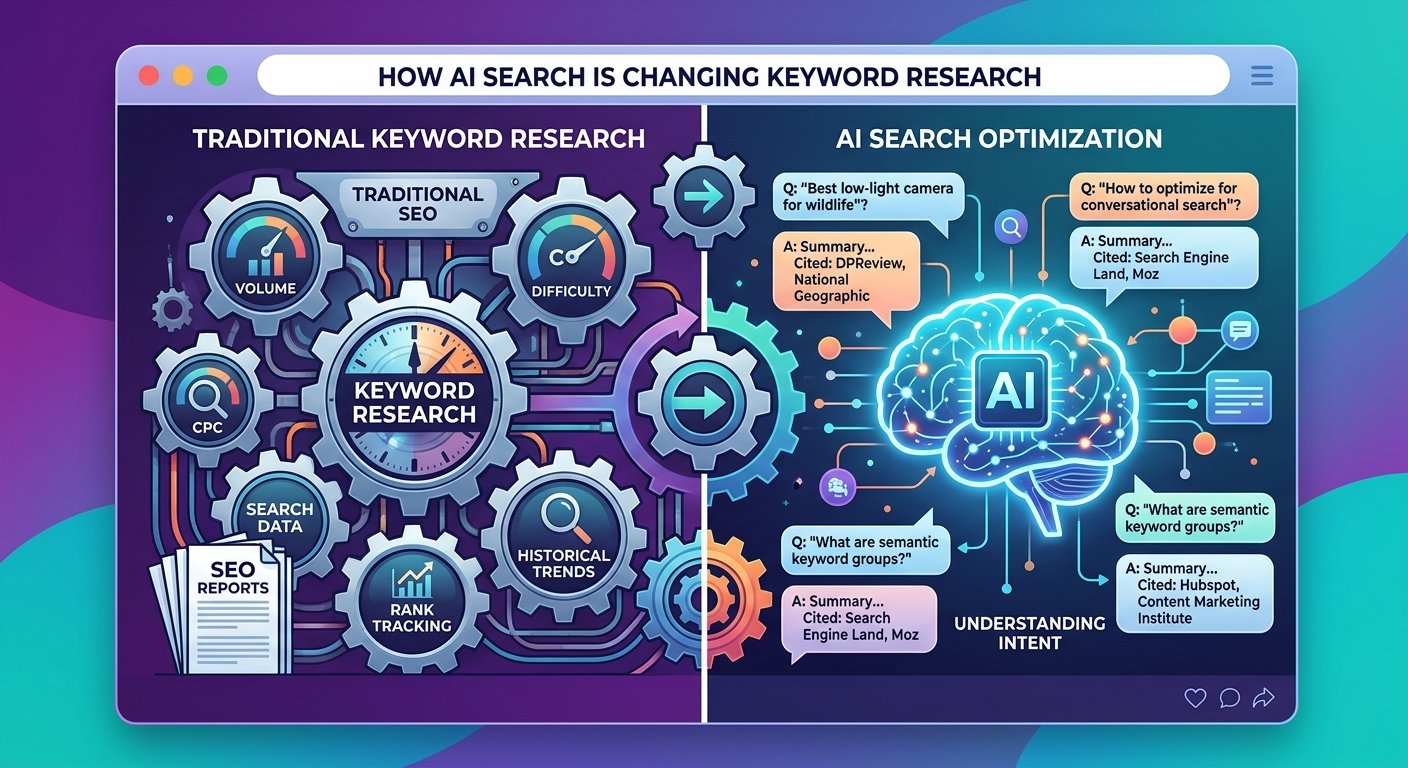
How AI Search Is Changing Keyword Research
AI search is rewriting how people find answers. Learn how AI Search Is Changing Keyword Research , what to track now, and how to build a strategy that works in Google, ChatGPT, and beyond.
Not long ago, keyword research was simple. You found a phrase with decent volume, wrote a page around it, and waited for rankings to climb. That routine still has value, but the way people search has shifted under our feet.
People now ask full questions in chat tools, get written answers from AI summaries at the top of Google, and rarely click through ten blue links. Your keyword list still matters, yet it no longer tells the whole story.
This guide explains what is changing, why it matters, and how you can adjust your keyword research so your content gets found in both classic results and AI answers. We will keep it practical and friendly, so grab a drink and let’s start.
What Is AI Search?
AI search is any search experience where an artificial intelligence system reads many sources and writes a direct answer, instead of only listing links. Examples include Google’s AI Overviews and AI Mode, ChatGPT search, Perplexity, Microsoft Copilot, and Gemini.
The key difference is the output. A traditional search engine hands you a list and lets you do the digging. An AI search tool does the digging for you, then presents a summary, often with a few cited sources underneath.
For anyone doing SEO, this changes the goal. You are no longer only trying to rank on a results page. You are also trying to be the source that the AI trusts, quotes, and links to.
How Is AI Search Changing Keyword Research?
AI search is changing keyword research by shifting the focus from short phrases to full questions, from single keywords to broad topics, and from rankings alone to being cited in answers. Search volume still helps, but intent, context, and authority now carry more weight.
Here are the biggest shifts in plain terms.
- Queries are longer and more conversational. People type or speak full sentences to AI tools.
- One question often replaces many searches. An AI answer can cover a whole research journey in a single response.
- Clicks are harder to earn. When the answer appears on the page, fewer people visit a website.
- Topics beat isolated keywords. AI systems favor sources that cover a subject thoroughly.
- Brand mentions matter. Being named in an AI answer builds awareness even without a click.
Let’s look at each of these in more detail.
Why Are Search Queries Getting Longer and More Conversational?
Queries are getting longer because AI tools invite people to talk naturally, so they add context, constraints, and follow-up details. Instead of typing “CRM small business,” a person might ask, “What is the best CRM for a five-person marketing agency that uses Gmail and wants a low monthly price?”
That longer prompt contains far more information than a short keyword. It tells the system the team size, the industry, the tools in use, and the budget preference.
For keyword research, this means the old habit of chasing only high-volume head terms leaves gaps. Many of these detailed questions show little or no volume in traditional tools, yet they represent real people with real buying intent. Content that answers them clearly has a good chance of being pulled into AI responses.
What Is Search Intent and Why Does It Matter More Now?
Search intent is the reason behind a query, such as learning something, comparing options, buying a product, or finding a specific site. It matters more now because AI systems are built to understand intent and match it with the most useful source.
Most queries fall into four groups.
- Informational. The person wants to learn something. Example: “how does lead scoring work.”
- Commercial. The person is comparing options. Example: “best email tools for small business.”
- Transactional. The person is ready to act. Example: “buy standing desk online.”
- Navigational. The person wants a particular site or brand.
AI tools often blend these. A single prompt can start as informational and end as commercial within three follow-up questions. Your keyword research should map content to each stage of that journey, not just the final purchase step.
A helpful habit is to label every keyword on your list with its intent. If your page does not match the intent behind a phrase, it will struggle no matter how well it is optimized.
Are Keywords Still Important in the Age of AI Search?
Yes, keywords are still important because they reveal the language your audience uses and the topics they care about. AI systems rely on that same language to find and understand content, so clear wording still helps.
What has changed is how you use them. Stuffing a phrase into a page a certain number of times no longer works, and it never worked well with modern search engines anyway. The smarter approach is to treat keywords as clues about what people want, then answer those needs in full.
Think of keywords as a window into your audience’s thinking. The window is still useful. You just should not mistake it for the whole house.
How Do Topics and Entities Replace Single Keywords?
AI search groups content by topics and entities, which are the people, places, brands, products, and concepts a page talks about. Systems judge whether your site covers a subject deeply and whether it is a trustworthy source on that subject.
This is why topic clusters have become so valuable. A topic cluster is a main page that covers a broad subject, supported by related pages that cover specific questions in detail. All the pages link to each other.
Say your business sells accounting software. A cluster might include one main guide on small business bookkeeping, plus supporting pages on invoicing, expense tracking, tax deadlines, payroll basics, and software comparisons. Together they signal to both search engines and AI tools that you know this area well.
When you research keywords, start by listing the main topics your customers care about. Then break each topic into the questions people ask within it. This gives you a content map instead of a loose pile of phrases.
How Do You Do Keyword Research for AI Search?
To do keyword research for AI search, start with your audience’s real questions, group them by topic and intent, check how AI tools currently answer them, and create clear, well-structured content that fills the gaps. The steps below show how.
Step 1. Start With Real Questions From Real People
Gather the exact questions your customers ask. Good sources include sales call notes, support tickets, live chat transcripts, emails, online communities, and review sites. These questions use natural language, which is just how people talk to AI tools.
Other helpful sources are the “People Also Ask” boxes in Google, autocomplete suggestions, and forums such as Reddit and Quora. Write down the exact wording. The phrasing often shows up later in AI prompts.
Step 2. Group Questions by Topic and Intent
Sort your list into topics, then tag each question with its intent. This step turns a messy list into a plan. You will quickly see which topics have plenty of questions and which ones your site has ignored.
A simple spreadsheet works well. Use columns for the question, topic, intent, current page that answers it, and priority.
Step 3. Test Your Questions in AI Tools
Type your priority questions into Google, ChatGPT, Perplexity, and Gemini. Look at three things.
- Does an AI answer appear?
- Which sources does it cite?
- What does the answer include, and what is missing?
This quick check shows you who currently owns the answer and how detailed it is. Gaps in those answers are your opportunities. If every cited page skips an important angle, a page that covers it well has a real shot at being included.
Step 4. Check Traditional Metrics as Support
Keep using volume, difficulty, and click data, but treat them as one signal among several. Tools like Google Search Console, Semrush, and Ahrefs still provide valuable data on what people search and which pages earn clicks.
Pay special attention to Search Console. Look at the queries that bring impressions to your pages, especially longer question-style ones. These often reveal what AI systems and searchers connect with your site.
Step 5. Build Content That Answers Clearly
Write pages that give the direct answer early, then add depth. A good pattern is a short, plain answer in the first one or two sentences under a question heading, followed by explanation, examples, and next steps.
This format helps in two ways. Visitors get what they need fast, and AI systems can lift a clean answer without guessing. Use clear headings, short paragraphs, lists, and tables where they fit.
If you would like help turning your keyword and topic research into a content plan built for both Google and AI answers, the team at Nexstair Technologies can guide you through it.
What Are the New Metrics to Track Beyond Rankings?
Beyond rankings, you should track visibility in AI answers, brand mentions, citation frequency, and the quality of traffic that does arrive. Rankings alone no longer show the full picture of how people find you.
Consider tracking these.
- AI citations. How often your pages appear as sources in AI answers.
- Brand mentions. How often AI tools name your business, even without a link.
- Share of voice. Your presence compared with competitors for key topics.
- Impressions in Search Console. These can rise even when clicks fall.
- Branded search volume. More people searching your name suggests growing awareness.
- Conversion rate. Fewer clicks may still bring better-qualified visitors.
Several tools now offer AI visibility tracking, and you can also check manually by running your top questions through AI tools each month and noting the results. Keep a simple log so you can spot trends.
How Does Zero-Click Search Affect Keyword Strategy?
Zero-click search means people get their answer on the results page and never visit a website. AI summaries have made this more common, especially for simple factual questions.
This means some keywords will lose traffic even if you hold a strong position. Pure definition queries and quick facts are the most exposed. People asking “what is a meta description” can get a full answer without a click.
You can respond in a few ways.
- Target questions that need depth. Comparisons, how-to guides, templates, tools, and original data push people to visit.
- Aim to be the cited source. Even a mention in the answer builds trust.
- Offer something an AI summary cannot. Calculators, downloadable resources, case studies, and expert opinions give people a reason to click.
- Focus on business outcomes. A smaller amount of highly interested traffic often beats a large amount of casual traffic.
How Do You Optimize Content So AI Tools Cite It?
You can improve your chances of citation by writing clear answers, showing real expertise, keeping facts accurate and current, and using structure that machines can read easily. There is no secret trick. AI systems favor content that is helpful, trustworthy, and easy to understand.
Here is what to focus on.
- Use question-based headings. Phrase headings the way people ask, then answer right below.
- Lead with the answer. Give a direct reply in the first sentences, then expand.
- Show experience and expertise. Add author names, credentials, original examples, and first-hand insights.
- Cite reliable sources. Link to data and research where it supports your point.
- Keep content fresh. Update statistics, dates, and details regularly.
- Add structured data. Schema markup for articles, FAQs, products, and organizations helps machines interpret your pages.
- Make your site technically sound. Fast loading, clean code, and crawlable pages give AI systems easy access.
- Build authority beyond your site. Mentions in respected publications, reviews, and industry sites strengthen your reputation, and AI systems notice that.
What Is the Difference Between SEO, AEO, and GEO?
These three terms describe overlapping goals. SEO, or search engine optimization, aims to rank in traditional search results. AEO, or answer engine optimization, aims to be the source of direct answers, such as featured snippets and voice answers. GEO, or generative engine optimization, aims to be cited in answers written by generative AI tools.
You do not need three separate strategies. Good content that answers real questions clearly, backed by strong technical health and credible authority, supports all three. Keyword research simply expands to include the question-style language that AEO and GEO depend on.
What Does an AI-Ready Keyword Research Workflow Look Like?
An AI-ready workflow blends classic research with question mining and AI testing. Here is a simple version you can repeat each quarter.
- List your main business topics and customer problems.
- Collect real questions from support, sales, forums, and search suggestions.
- Group questions by topic and tag the intent.
- Pull volume and difficulty data where it exists, and note long questions with little data.
- Test priority questions in Google, ChatGPT, Perplexity, and Gemini.
- Record which sources get cited and what the answers miss.
- Plan content that fills gaps and answers questions clearly.
- Publish, then track rankings, citations, mentions, and conversions.
- Review and refresh every quarter.
This loop keeps you tied to what customers actually ask, which is the best defense against any change in search technology.
What Mistakes Should You Avoid?
A few common mistakes can slow you down.
- Abandoning keyword research completely. The data still has value, so keep using it.
- Chasing only volume. Low-volume questions can bring high-intent visitors.
- Writing for machines instead of people. Helpful, readable content wins in both worlds.
- Ignoring brand building. AI tools lean on trusted names, so reputation matters.
- Publishing and forgetting. Outdated pages lose trust and citations.
- Copying what already ranks. Add something new, such as data, experience, or a clearer explanation.
Frequently Asked Questions |
Is keyword research dead because of AI search?
No. Keyword research is evolving, not disappearing. People still use words to look for things, and those words still guide your content. The focus is moving toward questions, topics, and intent.
Do long-tail keywords matter more now?
Yes, in most cases. Conversational queries are naturally long and specific, which makes long-tail and question-style phrases more valuable than before.
Which tools help with AI-era keyword research?
Google Search Console, Semrush, Ahrefs, and AnswerThePublic help with classic and question data. You can also test queries directly in ChatGPT, Perplexity, Gemini, and Google’s AI features to see what gets cited.
How do I know if my content appears in AI answers?
Run your key questions through AI tools and note which sources appear. Some SEO platforms also offer AI visibility tracking that does this on a schedule.
Should small businesses change their strategy?
Small businesses can benefit the most. Focus on the specific questions your customers ask, answer them better than anyone else, and build a trusted local or niche reputation.
How often should I update my keyword research?
Review it every quarter. Search behavior and AI features change quickly, so regular check-ins keep your plan current.
Ready to Adapt Your Keyword Strategy?
AI search has not ended keyword research. It has made it more human. The winners will be the businesses that listen closely to the questions their customers ask, organize their content around real topics, and answer clearly and honestly.
Start small. Collect your customers’ questions this week, test a few in AI tools, and see who gets cited. Then fill the gaps with helpful content. If you want a partner to build that plan with you, Nexstair Technologies is ready to help you get found across Google and the new wave of AI search.
Recent Posts
Related Posts
AI search is rewriting how people find answers. Learn how AI Search Is Changing Keyword Research , what to track...

Running an online store is about more than adding products and waiting for customers to find them. With thousands of...

SEO for tour operators and travel agencies (travel SEO) is the practice of earning organic Google traffic from travelers who...
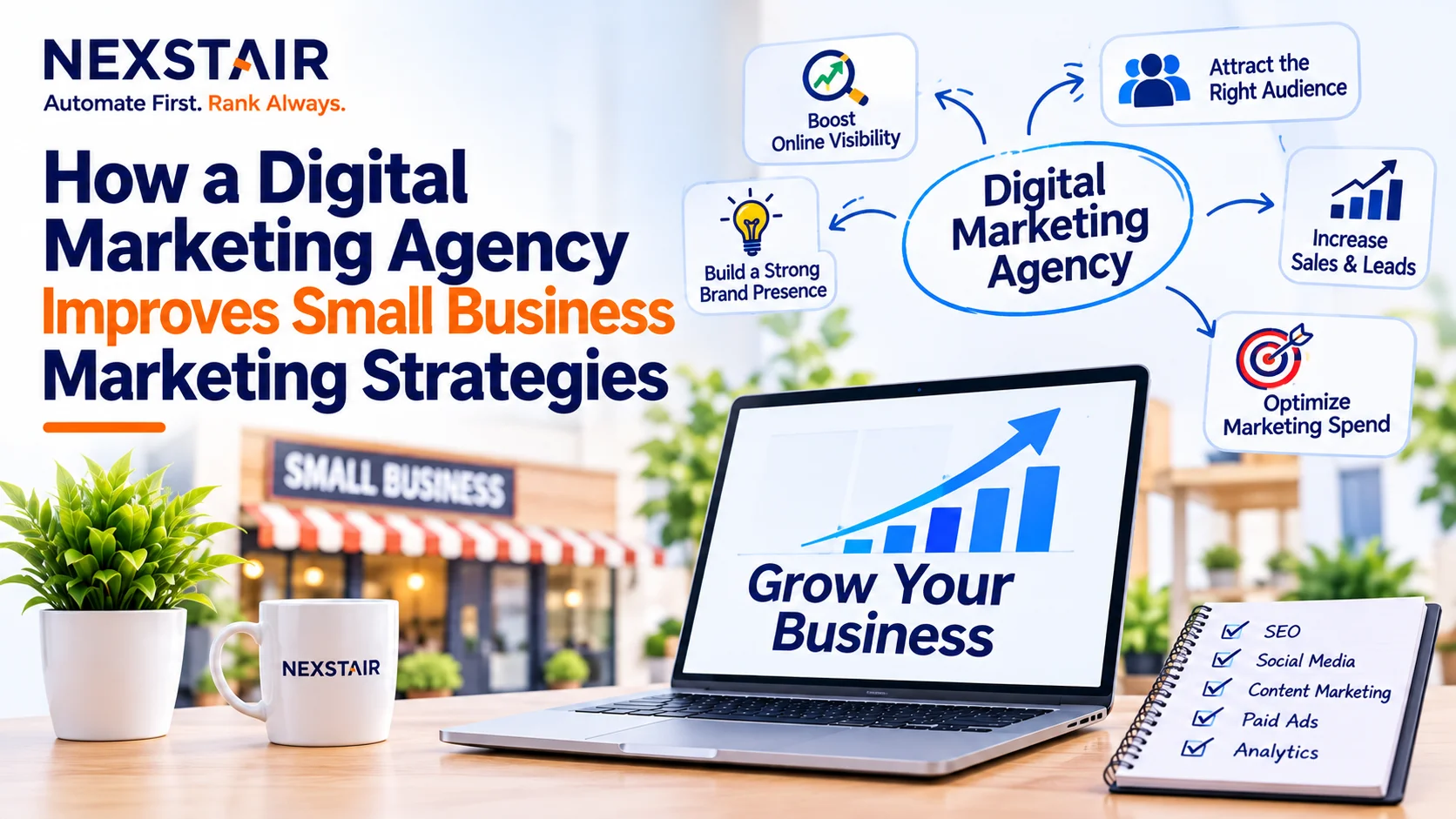
A digital marketing agency is an outside team that plans, runs, and measures a business's online marketing across search engine...
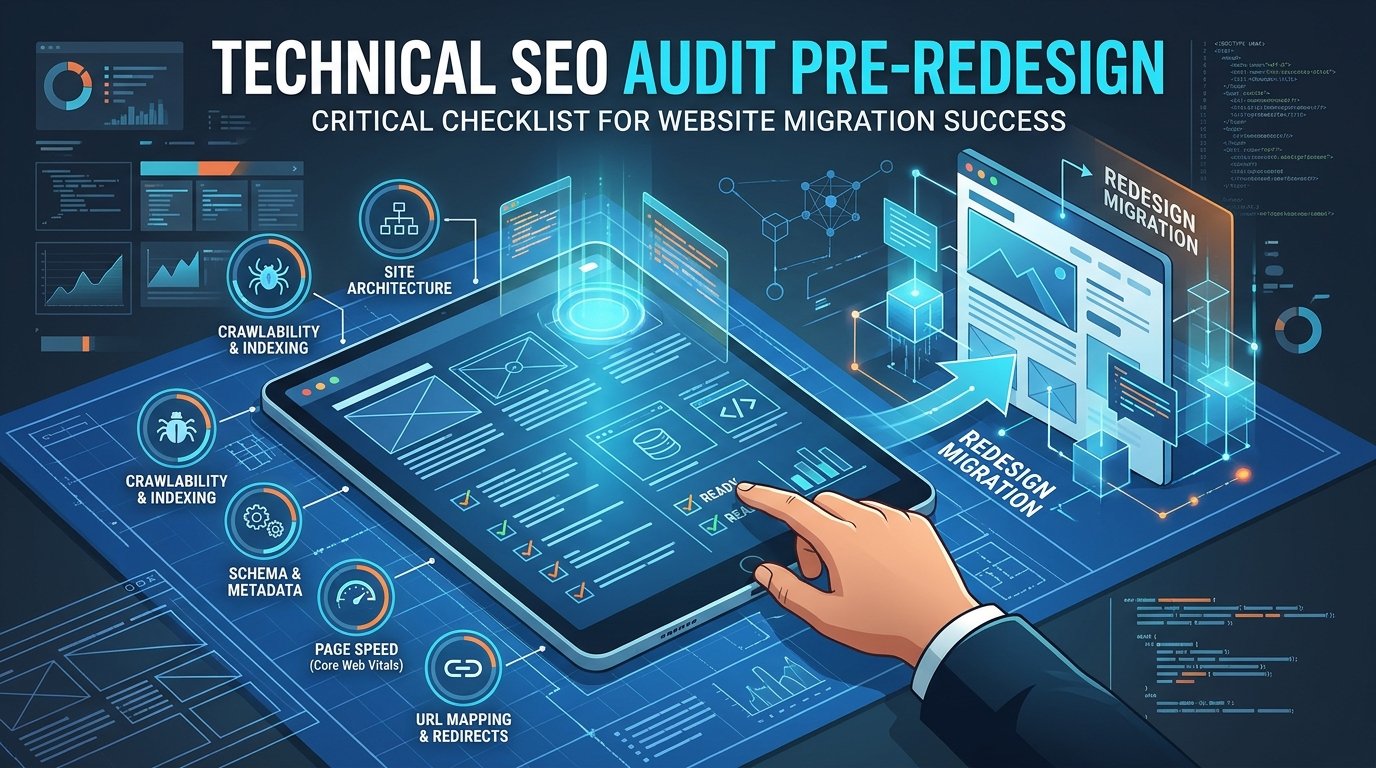
A website redesign is exciting. New layout, fresh branding, better user experience. It is also one of the easiest ways...