Social media marketing has never stood still, but the pace of change heading into 2027 feels different. Tools that once helped with scheduling now write drafts, study audience behavior, answer customer messages, and suggest what to post next. Agencies and in-house teams are rethinking how they work, and businesses that buy social media marketing (SMM) services are asking sharper questions about what they get for their money.
This guide explains how AI is transforming SMM services, what you can expect in 2027, where humans still matter most, and how to choose a partner who uses AI well. We will keep things clear and friendly, so settle in.
What Are SMM Services?
SMM services are the professional services that plan, create, publish, and manage a brand’s presence on social media platforms. A typical package includes strategy, content creation, community management, paid social advertising, influencer outreach, and performance reporting.
Businesses buy these services in different ways. Some hire a full-service agency, some work with a freelancer for a few channels, and others use a hybrid model where an internal marketer works with outside specialists. Whatever the setup, the goal stays the same, which is to build awareness, earn trust, and turn followers into customers.
How Is AI Changing Social Media Marketing Services?
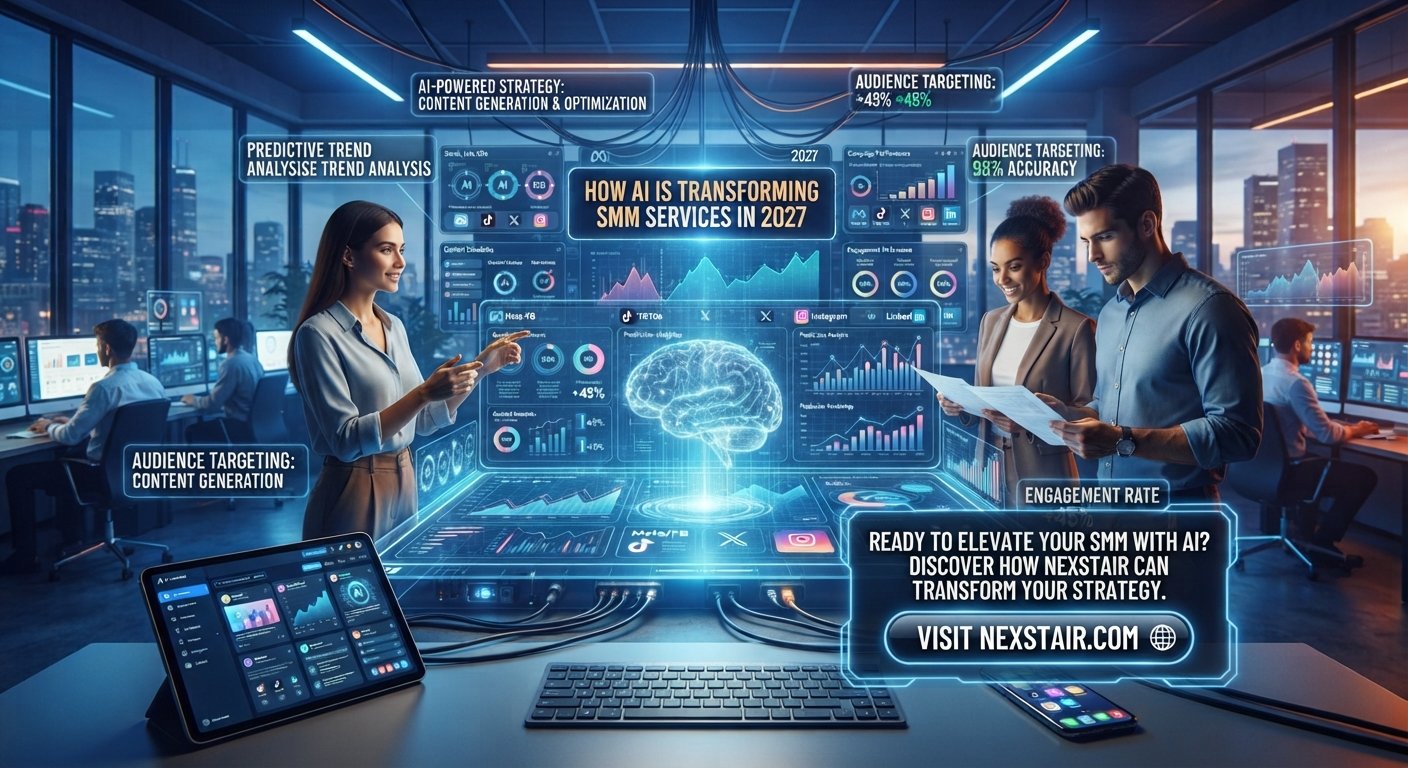
AI is changing SMM services by automating repetitive work, speeding up content production, sharpening audience insights, and making personalization possible at a much larger scale. The result is that teams spend less time on routine tasks and more time on strategy, creativity, and relationships.
The biggest shifts fall into several areas.
- Content ideation and creation
- Scheduling and publishing
- Audience research and social listening
- Paid advertising and optimization
- Community management and customer chats
- Analytics and reporting
- Influencer discovery and vetting
- Trend spotting and crisis detection
Let’s look at each one.
How Is AI Changing Content Creation for Social Media?
AI now helps teams brainstorm ideas, write captions, draft scripts, design graphics, edit video, and repurpose one piece of content into many formats. What used to take a full day can often be drafted in an hour, leaving more time for review and polish.
Here is what that looks like in practice.
- Idea generation. AI tools scan trends, competitor posts, and audience questions to suggest topics.
- Copywriting. Drafts for captions, hooks, and ad variations appear in seconds.
- Visuals. Image generators and design assistants produce on-brand graphics and mockups quickly.
- Video. AI helps with scripting, captions, cutting long videos into short clips, and translating audio.
- Repurposing. A single webinar can become a blog post, a carousel, five short videos, and a week of text posts.
A word of caution applies here. Anyone can now produce a large volume of average content, which means audiences see more sameness than ever. In 2027, the brands that stand out will be the ones that add real voice, real stories, and real expertise on top of what AI drafts. Strong SMM services will treat AI output as a first draft, never the finished product.
How Does AI Improve Scheduling and Publishing?
AI improves scheduling by analyzing when your specific audience is most active and suggesting the best times and formats for each platform. Instead of following generic “best time to post” charts, teams get timing recommendations based on your own data.
Modern tools can also adjust a content calendar on the fly. If a topic starts trending or a post performs unusually well, the system can suggest follow-up content or move scheduled posts to take advantage of the momentum. This keeps calendars flexible rather than fixed weeks in advance.
How Is AI Improving Audience Research and Social Listening?
AI improves audience research by reading huge volumes of posts, comments, reviews, and mentions, then summarizing the themes, emotions, and questions behind them. Social listening tools can now flag shifts in sentiment, spot emerging complaints, and reveal what customers truly care about.
For SMM services, this means strategy can start from real evidence. Instead of guessing which topics your audience wants, a team can look at patterns across thousands of conversations and build content around them.
In 2027, expect listening tools to become more conversational. Rather than clicking through dashboards, marketers will simply ask a question such as “What are customers saying about our delivery times this month?” and receive a clear summary with examples.
How Is AI Changing Paid Social Advertising?
AI is changing paid social by automating audience targeting, creative testing, bidding, and budget allocation. Major platforms already run much of this with built-in machine learning, and the trend is moving toward campaigns where marketers supply goals, budgets, and creative assets while the system handles the details.
Here is how services are adapting.
- Creative testing at scale. Teams can generate many ad variations quickly and let the system learn which ones work.
- Smarter targeting. Algorithms find likely buyers without relying on narrow manual audience settings.
- Budget optimization. Spend shifts automatically toward the best-performing ads and placements.
- Predictive insights. Tools estimate which creative or audience is likely to succeed before large budgets are committed.
With the platforms doing more of the technical work, the value of an SMM service shifts toward strategy, offer design, creative quality, and measurement. Anyone can press the same buttons. The edge comes from knowing what to say, to whom, and why.
How Are AI Chatbots and Assistants Changing Community Management?
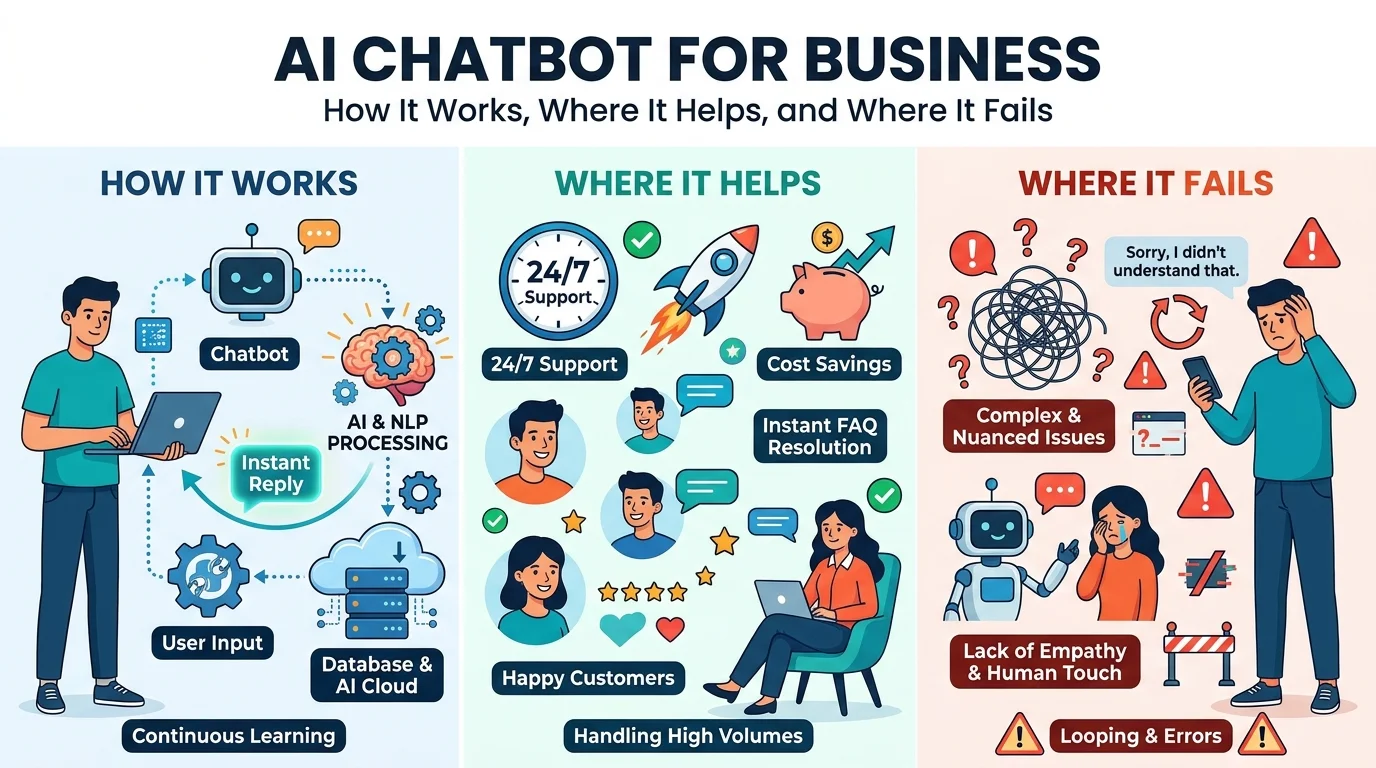
AI chatbots and assistants now handle first-line responses to comments and direct messages, answer common questions around the clock, and pass complex conversations to a human. This makes community management faster and more consistent, especially for brands that receive a high volume of messages.
Social media has quietly become a customer service channel. People message brands to ask about prices, order status, and availability, and they expect quick replies. An AI assistant can answer these instantly, collect contact details, and even book appointments, while a person steps in for sensitive or complicated situations.
If you are exploring this part of social media service, Nexstair Technologies offers AI solutions that help businesses respond faster and capture more leads from their conversations.
Good community management in 2027 will still be warm and human. The best setups use AI to take care of the repetitive questions so real people have time for thoughtful replies, celebrations of loyal customers, and careful handling of complaints.
How Is AI Transforming Analytics and Reporting?
AI is transforming analytics by turning raw numbers into plain-language insights and recommendations. Rather than handing clients a long report full of charts, teams can now explain what happened, why it likely happened, and what to try next.
Key improvements include the following.
- Automatic report drafts. Dashboards produce written summaries of performance.
- Anomaly alerts. Systems flag unusual spikes or drops so teams can react quickly.
- Predictive forecasting. Tools estimate likely reach, engagement, or results based on past performance.
- Attribution help. AI assists in connecting social activity to leads and sales across several touchpoints.
For clients, this means faster and clearer reporting. For agencies, it frees hours that were once spent assembling slides, so more time goes to improving the work itself.
How Is AI Changing Influencer Marketing?
AI is changing influencer marketing by helping brands find the right creators, check their audience quality, and measure real impact. Tools can analyze a creator’s followers to spot fake engagement, estimate audience demographics, and judge how well their content style matches your brand.
Matching improves because systems compare content themes, values, and audience overlap rather than relying on follower count alone. Contracts, tracking, and payments are also easier to manage with automation.
At the same time, AI-generated virtual influencers and synthetic creators are appearing more often. Some brands will experiment with them, while many audiences will keep favoring real people who share genuine opinions. Honesty and clear disclosure will matter more than ever.
What Will SMM Services Look Like in 2027?
In 2027, SMM services will be faster, more data-driven, and more focused on strategy and creativity, with AI handling much of the production and analysis. Here are the trends worth watching.
- Leaner teams with broader reach. Small teams will manage more channels and clients using AI support.
- Value moves from production to thinking. Strategy, brand voice, and original ideas will be what clients pay for.
- Always-on conversations. AI assistants will handle many routine messages, with humans guiding the important ones.
- Faster testing. Creative and messaging experiments will run continuously instead of in occasional campaigns.
- Social as a search channel. People increasingly search platforms and AI tools for answers, so content must be clear and easy to find.
- Stronger authenticity. As AI content grows, real faces, real stories, and real customers will become more valuable.
- Clearer rules and disclosure. Platforms and regulators are paying closer attention to AI-generated content, so labeling and transparency will matter.
- Integrated reporting. Social results will connect more closely to leads, sales, and revenue.
None of these are guaranteed, and the details will keep shifting. The overall direction, though, is easy to see.
What Risks Should Businesses Watch For?
AI brings real benefits, along with a few risks worth planning for.
- Generic content. Overreliance on AI can make every brand sound the same.
- Accuracy problems. AI tools sometimes state wrong information with confidence, so facts need checking.
- Brand voice drift. Without guidance, drafts may not sound like you.
- Privacy and data issues. Customer data must be handled carefully and legally.
- Copyright and ownership questions. AI-generated images and text raise open legal questions, so review the terms of every tool.
- Tone-deaf automation. Automated replies in sensitive moments can hurt trust.
- Loss of human connection. Customers still want to feel heard by real people.
The fix for most of these is the same. Keep humans in the loop, set clear brand guidelines, and review output before it goes live.
How Do You Choose an SMM Service That Uses AI Well?
Choose a provider that uses AI to improve quality and speed while keeping real strategy and human review at the center. Ask direct questions before you sign anything.
- How do you use AI in your process, and where do humans step in?
- How do you protect our brand voice?
- How do you check facts and review content before publishing?
- What do you do with our data, and which tools touch it?
- How will you report results, and which numbers will you tie to revenue?
- Can you show examples of work and results for similar businesses?
- What will your savings from AI mean for our pricing or output?
A good partner will answer openly. Be cautious of anyone who promises fully automated, effortless growth, or who cannot explain how their process works.
If you want a team that blends smart technology with genuine marketing thinking, you can start a conversation with Nexstair Technologies and see what fits your goals.
How Can You Prepare Your Business for 2027?
You can prepare by getting your foundations in order and testing AI tools in small, low-risk ways. Try these steps.
- Write down your brand voice. Include tone, words you use, words you avoid, and sample posts.
- Know your audience. Collect the real questions and concerns your customers share.
- Start with one AI use case. Drafting captions or summarizing reports is a gentle place to begin.
- Set review rules. Decide who approves content before it is published.
- Track meaningful numbers. Link social activity to leads and sales, not only likes.
- Invest in original content. Customer stories, expert opinions, and behind-the-scenes material cannot be copied easily.
- Stay curious. Review new tools and platform changes every quarter.
Frequently Asked Questions | AI Is Transforming SMM Services
How is AI used in social media marketing?
AI is used for content ideas, writing and design drafts, scheduling, audience research, ad optimization, chatbots, analytics, and influencer discovery. It speeds up routine work and helps teams make decisions with better data.
Will AI make SMM services cheaper?
It can lower the cost of production tasks, but strategy, creativity, and management still require skilled people. Many businesses will see better results and faster delivery rather than a big drop in price.
Is AI-generated content safe to post?
It can be, as long as a person checks facts, tone, and brand fit before it goes live. Follow each platform’s rules, and add disclosure where it is required or helpful.
Do small businesses benefit from AI in social media?
Yes. Small teams often gain the most, because AI helps them keep up a steady presence without a large staff. Even simple use, such as drafting posts and replying to common questions, can save hours each week.
What is the biggest change coming to social media marketing?
The biggest change is the shift of value from production to strategy. As AI makes content easier to create, originality, trust, and clear thinking will set brands apart.
Should I let AI handle my customer messages?
Let AI answer routine questions and collect details, and let people handle complaints, sensitive topics, and complex needs. A smooth handoff between the two gives customers the best experience.
Ready to Make AI Work for Your Social Media?
AI is not replacing the heart of social media marketing, which is understanding people and building trust. It is taking over the repetitive parts so teams can spend more energy on ideas, relationships, and results.
Whether you run a small business or manage a large brand, 2027 is a good moment to test AI thoughtfully, protect your voice, and choose partners who combine technology with real expertise. If you would like help building a social media and automation plan that fits your goals, reach out to Nexstair Technologies and take the next step with a team that is ready to help.