

How to Optimize Content for AI Search: A Semantic SEO Guide to GEO, AEO and AIO
AI search optimization is the practice of structuring content so tools like Google AI Overviews, ChatGPT, and Perplexity can retrieve, understand, and cite it inside a generated answer. The shift is measurable: when an AI summary appears above Google’s organic results, only about 8% of users click a link below it, versus roughly 15% when no summary shows. Winning this space means mastering three linked disciplines: generative engine optimization (GEO), answer engine optimization (AEO), and AI optimization (AIO), all resting on semantic SEO, which maps content to entities and search intent instead of isolated keywords. Trust still gets judged through experience, expertise, authoritativeness, and trustworthiness (E-E-A-T). The sections below cover answer-first writing, intent coverage, schema markup, E-E-A-T signals, and crawler access, the five levers deciding whether content gets ingested or ignored.
What Is AI Search Optimization? GEO, AEO and AIO Explained

AI search optimization sits inside three overlapping disciplines. GEO adapts content and brand signals so a generative engine cites the page inside a synthesized answer, not just a link in a list. AEO targets direct question and answer formats, the kind that win featured snippets or a voice assistant’s spoken response. AIO is the umbrella term for optimizing across every AI-driven surface, from Perplexity to Google’s AI Overviews. All three lean on semantic SEO, which maps content to the entities and questions a topic actually contains. That mapping only pays off once content is structured for retrieval.
Write Answer-First Content for AI Retrieval
Retrieval happens at the passage level, not the page level. A generative engine pulls the specific paragraph or list that answers a query, so every H2 needs to work as a standalone answer. Open each section with a direct, 40 to 60 word answer, then add supporting detail underneath. Keep paragraphs to two or three sentences. Tables cause problems here, since AI parsers read text linearly, so a comparison works better as a short bulleted list. Get this structure right, and the next question becomes what the content says.
Cover the Full Search Intent With Semantic SEO
Search intent around AI search optimization spans several angles: definitions, technical setup, and platform differences all sit inside one query cluster. Semantic SEO means answering that whole cluster on one page instead of publishing thin posts for each sub-question. Pull related questions from a competitor gap analysis or a ChatGPT prompt, then group them the way a reader actually searches. Pages that address a full topic, not a single keyword, are the ones AI Overviews stitch answers from most often. Once the topic is covered, the next thing an AI system checks is whether it can read the markup around it. Much of this, prompt-based content gap analysis, keyword clustering, readability checks, runs on the same AI automation workflows agencies use to speed up campaigns elsewhere.
Add Schema Markup and Build E-E-A-T Signals
Schema.org markup removes ambiguity from HTML by naming exactly what a piece of content is. FAQPage, Article, Organization, and Person schema give an AI system a pre-packaged question, a publish date, a brand, and a named author it can chain into a trust signal. Google removed the visual FAQ rich snippet in 2023, but the schema itself still works for AI ingestion, so keep it live. Pair that markup with genuine E-E-A-T signals: a real author bio, original data or case studies, and a working address and phone number on the about page. An AI model cannot fabricate hands-on experience, one edge a small business still holds over a generic competitor.
Open Your Site to AI Crawlers
Crawler access decides whether any of this gets seen at all. Bots like OAI-SearchBot, PerplexityBot, and ClaudeBot need an explicit allow rule in robots.txt, separate from training-only crawlers such as GPTBot or CCBot, if content should stay out of training but visible in live answers. Add a sitemap.xml and, increasingly, an llms.txt file pointing AI systems to the pages that matter most. AI crawlers currently error out on roughly a third of their requests, so fast page loads and simple HTML carry more weight than they did for traditional search bots. None of this replaces a content strategy, but it decides whether a well-written page ever reaches the model.
Why Businesses Work With an AI SEO Team
Running all five levers at once, structure, intent, schema, authority, and crawler access, takes ongoing work, which is why most in-house teams pair the effort with outside support. Nexstair’s AI SEO Services fold technical audits, content strategy, and AI visibility tracking into one engagement, so schema and authority work happen alongside the ranking work a site still needs. That pairing matters, since Google’s AI Overviews pull heavily from top 10 pages while ChatGPT and Perplexity favor sources outside that list.
Frequently Asked Questions
What is GEO (generative engine optimization)?
GEO is the practice of structuring content and brand signals so generative AI tools cite a page inside a synthesized answer. It sits alongside traditional SEO, not in place of it. A page still needs to rank well, but it also needs answer-first sections and clean schema an AI system can lift and cite.
What is AEO (answer engine optimization)?
AEO focuses on winning direct answer placements, like featured snippets and voice assistant responses, by matching content to a specific question. It predates the current wave of generative AI tools but shares the same habit: open a section with the exact answer, then expand underneath.
Does traditional SEO still matter for AI search visibility?
Yes, traditional SEO is still the foundation AI search visibility is built on. Research shows a strong link between ranking in Google’s top 10 and getting cited in an AI Overview, with one analysis putting the odds above 80%. Skipping core SEO work to chase AI citations directly usually backfires.
How is optimizing for ChatGPT different from optimizing for Google AI Overviews?
Google’s AI Overviews closely track traditional rankings, while ChatGPT and Perplexity often cite sources outside the top 10 entirely. Google pulls answers from pages that already rank well. Standalone AI tools lean on community platforms like Reddit and Quora, where digital PR and genuine forum participation matter more than rank.
What technical signals help AI crawlers read a page?
Clean semantic HTML, a fast page load, and an open robots.txt file for AI crawlers matter most. Use <article> and <section> tags for the main content, add Article and Organization schema, and keep key information out of PDFs and image-only graphics.
Do I still need the FAQ schema if Google removed the rich snippet?
Yes, FAQPage schema is still worth adding even though Google removed its visual rich snippet in 2023. That change only affected how the answer displayed on the results page, not the schema itself. The clean question and answer format it creates is exactly the structure AI systems look for when pulling a citable chunk of text.
Optimizing content for AI search comes down to five habits, repeated consistently: define the topic in GEO, AEO, and AIO terms, write answer-first sections that stand alone as citable passages, cover the full intent cluster instead of one keyword, back every page with schema and real E-E-A-T signals, and keep AI crawlers able to reach the content at all. None of these steps substitute for each other. A well-structured page with blocked crawlers stays invisible, and open access without semantic depth gets ignored during generation anyway. Businesses that want this running as one system, not five separate fixes, typically bring in a team that already tracks rankings and citation rates side by side. Not sure which of these five levers your site is missing? Get a free SEO audit and find out.
Recent Posts
Related Posts
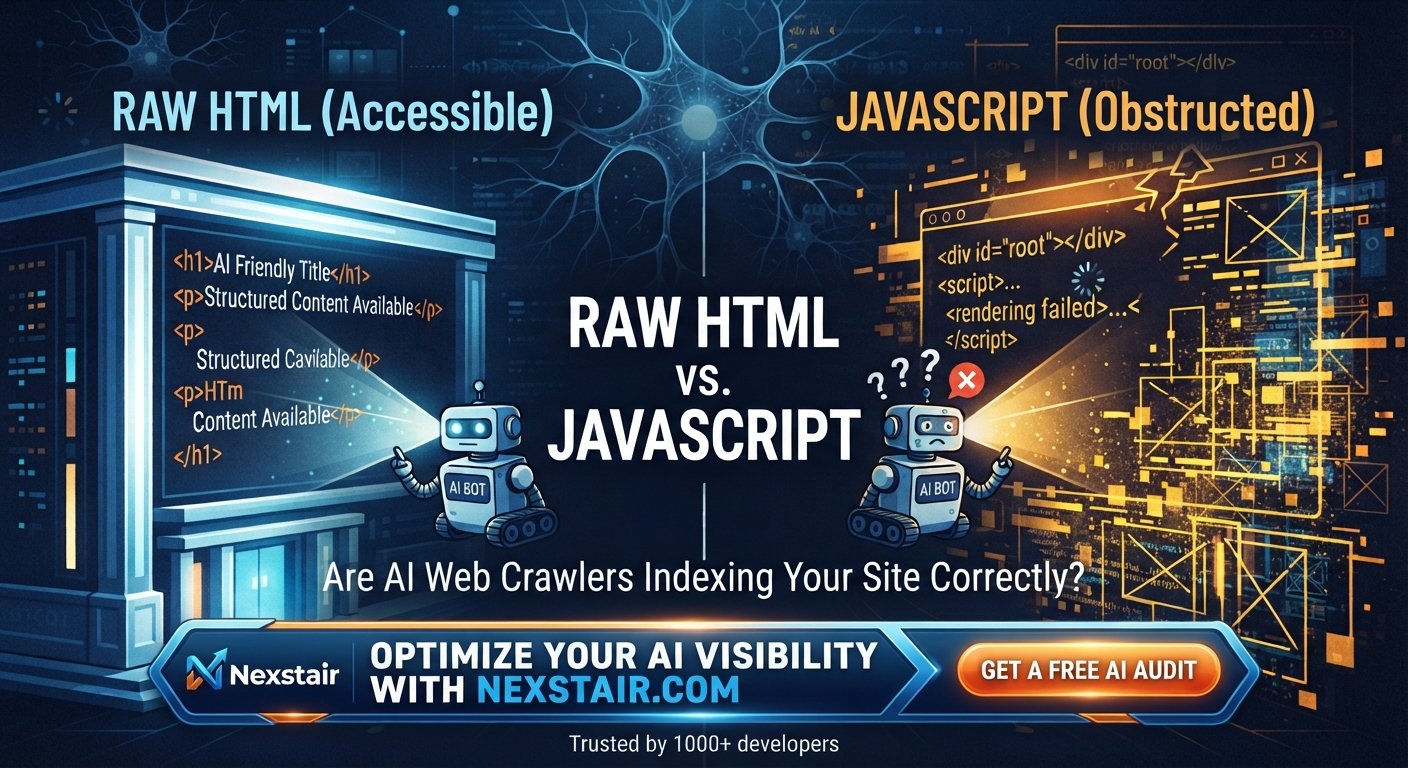
Are AI Web Crawlers Indexing Your Site Correctly?
For years, web developers have relied on JavaScript to power the modern internet, operating under the assumption that search engines...
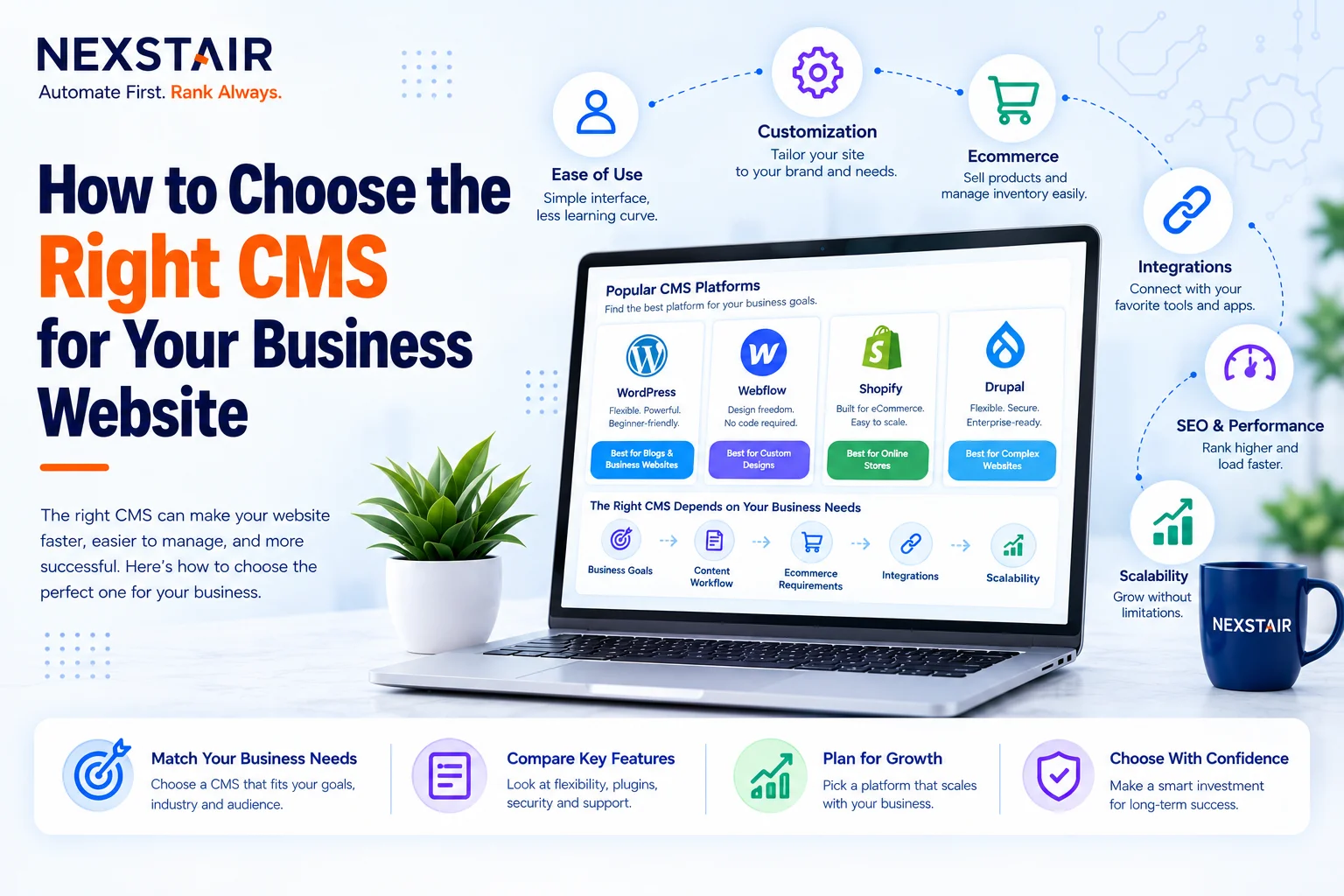
How to Choose the Right CMS for Your Business Website
Choosing a CMS for business use is an architectural decision, not a design decision, even though most business owners approach...

How to Manage Social Media Marketing for Small Business
Learn how to manage social media marketing for small business effectively & proven strategies, planning tips, and tools to grow...
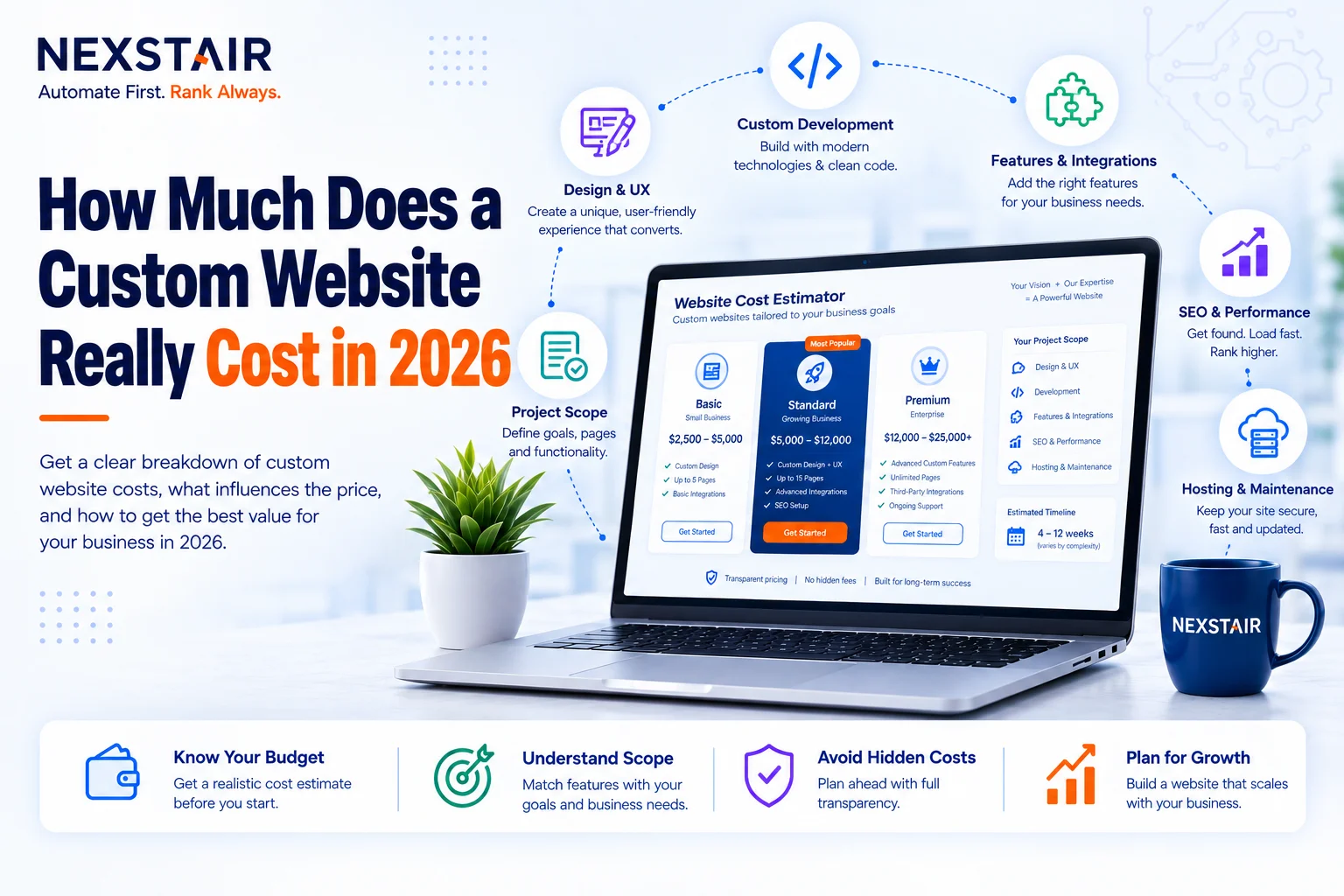
How Much Does a Custom Website Cost in 2026
Ask five agencies what a custom website costs and you’ll get five different numbers, and none of them will be...
Shopify vs WooCommerce: Choosing the Right Ecommerce Platform
Choosing an ecommerce platform is one of those silent factors that can impact your monthly costs, your developer's pain,...