

How Much Does a WordPress Website Cost in 2027?
If you search for the WordPress Website Cost, you will see answers ranging from $50 to $50,000. Nobody is lying to you. They are simply describing completely different websites. A hobby blog and a custom online store both run on WordPress, but they have almost nothing in common when it comes to a realistic budget.
Navigating domain registrars, hosting tiers, premium themes, and developer rates can quickly become overwhelming. To help you plan your next project without any guesswork, the team at Nexstair Technologies can scope out your exact requirements and provide a custom pricing blueprint. Visit Nexstair Technologies to start the conversation today, or read on to break down the parts you will actually pay for in 2026.
So, how much does a WordPress website cost in 2026?
Here are realistic first-year ranges for a self-hosted WordPress site:
| Type of site | Typical first-year cost |
|---|---|
| DIY blog or simple site | $50 to $500 |
| Small business site built by a freelancer | $2,000 to $5,000 |
| Business site built by an agency | $5,000 to $15,000 |
| Custom or high-traffic build | $15,000 to $50,000+ |
The bare minimum to get a self-hosted site online is around $50 to $100 a year. That covers a domain name and a basic shared hosting plan. Everything above that comes from design, features and the people doing the work.
Is WordPress really free?
The software is. You can download WordPress from WordPress.org at no cost. But software alone is not a website. You still need a place to host it, a web address, a design, and someone to keep it updated.
Think of it like a free recipe. The recipe costs nothing, but the groceries, the oven and your time do.
WordPress.com vs. self-hosted WordPress
This is the first decision that affects your budget.
WordPress.com is a hosted service. It bundles hosting and maintenance into one plan. In August 2026, its US annual plans worked out to roughly $4, $8, $25 and $45 per month, which is $48 to $540 for the prepaid year. The cheapest plans limit what you can install and customize.
Self-hosted WordPress (WordPress.org) means you buy hosting yourself and install the software. You get full control over themes, plugins and monetization. You also take on more responsibility. Most businesses choose this route, and the rest of this article focuses on it.
Domain name: $10 to $20 a year
A standard .com domain costs about $10 to $20 per year. Newer or specialty endings such as .shop, .agency or .io often run $20 to $50 or more. Premium domains that someone already owns can cost hundreds or thousands.
Watch the renewal price. Many registrars sell the first year cheap and raise the price at renewal.
Hosting: the biggest recurring cost
Hosting is where your website files live, and it is the recurring cost that varies most. Here is how the main options compare:
| Hosting type | Typical monthly cost | Best for |
|---|---|---|
| Shared hosting | $3 to $10 | Personal blogs, small brochure sites |
| Managed WordPress hosting | $20 to $30 for most small businesses, up to $200 for larger plans | Business sites that need speed, backups and support |
| VPS hosting | $20 to $100 | Growing sites and developers who want control |
Shared hosting is the cheapest, but you split server resources with other sites, so speed can suffer when your neighbors get busy. Managed WordPress hosting costs more because the provider handles updates, backups and security for you. For a business site that brings in leads, that is usually money well spent.
One catch applies across the board. The low price on a hosting banner is usually an introductory rate tied to a multi-year commitment. Check what the plan costs when it renews.
SSL certificate: usually free
In 2026, most hosts include a free SSL certificate, the thing that puts the padlock in your browser bar. You should not need to pay for one on a standard site. Extended validation certificates exist for $50 to $200 a year, but most small businesses never need them.
Themes: free to $150 a year
A theme controls how your site looks. You have three routes:
- Free themes such as Astra or Kadence cost nothing, get regular updates and work fine for many sites.
- Premium themes typically cost $49 to $150 per year. You get more design options, built-in features and support from the developer.
- Custom themes built from scratch run $2,000 to $10,000 or more. You get a unique design made around your brand and your customers.
For most small businesses, a good premium theme or a lightly customized free theme hits the right balance.
Plugins: $0 to $300+ a year
Plugins add features such as contact forms, SEO tools, security, caching and booking systems. Many are free. Premium versions usually sell as annual licenses.
A typical business site might use a premium SEO plugin, a security plugin, a backup tool and a form builder. Together, those commonly land between $0 and $300 per year. The number climbs if you need memberships, advanced forms or scheduling tools.
Two habits keep this cost under control. Install only what you need, because every plugin adds something to update and something that can break. And delete anything you stop using.
Design and development: where the real money goes
This line item causes the widest price gap, and it comes down to who builds the site.
Do it yourself. Your cash cost is close to zero beyond hosting, but expect to spend 10 to 40 hours or more learning the tools and building pages. If you bill your own time at a decent rate, that is not free.
Hire a freelancer. WordPress developers charge anywhere from $50 to $250 per hour depending on skill and location, though some sources put the low end nearer $20. Fixed-price projects are common. A small website of 5 to 10 pages often lands between $2,000 and $5,000.
Hire an agency. Agencies bring designers, developers, project managers and testers under one roof. A professional business site typically costs $5,000 to $15,000, and larger custom builds go well beyond that. Agency hourly rates tend to sit around $75 to $150 or higher.
Several things push a quote up:
- The number of pages
- Custom design instead of a template
- Online store features
- Integrations with a CRM, booking tool or payment system
- Accessibility requirements
- Migrating content from an old site
A word of caution on the cheapest quotes. Some are cheap because the “design” is a purchased theme with a page builder on top. That can be perfectly fine for a simple site. It becomes a problem when you expect a custom result and get a template with your logo on it. Ask what you are getting before you sign.
Content, SEO and images
Many budgets forget this part. A site with no words, photos or search setup does not do much for you.
If you write your own copy, it costs time. If you hire a copywriter, expect to pay per page or per word. Professional photography, stock image subscriptions and basic on-page SEO all add to the total. A site that nobody can find is a very expensive business card, so it makes sense to plan for search visibility from day one rather than as an afterthought.
Maintenance: the cost that arrives in month twelve
WordPress needs regular care. Core software, themes and plugins all release updates, and skipping them leaves security holes open. You also need backups, uptime monitoring and the occasional fix when an update breaks something.
You can handle this yourself for $0 if you have the time and know-how. Many businesses pay for a care plan instead, which usually costs $50 to $200 per month. That works out to $600 to $2,400 a year, and for a site that earns money, it is cheap insurance against downtime and hacks.
What about WooCommerce?
If you plan to sell products, WooCommerce turns WordPress into an online store. The plugin itself is free, but the surrounding costs add up.
Running a WooCommerce store typically costs $500 to $3,000 or more per year. Hosting for a store usually needs to be stronger than for a brochure site. Extensions for shipping, subscriptions or bookings often cost $15 to $60 each, with some running much higher. Payment processors take around 1.4% to 2.9% of each transaction, plus fixed fees. Maintenance plans for stores commonly start around $50 per month and average closer to $120.
Building the store itself is a separate project. Product setup, checkout design and payment testing usually push a professional WooCommerce build into the thousands.
Sample budgets
These examples show how the pieces combine. They are estimates and your quotes will vary.
The side project blog. Domain ($15), shared hosting ($60 to $120 a year), a free theme and free plugins. Total: roughly $75 to $135 a year.
The local service business. A freelancer builds an 8-page site with a premium theme ($3,500), managed hosting ($300 a year), a domain ($15), a few premium plugins ($150) and a light care plan ($600 a year). Year one comes to about $4,500. Year two drops to about $1,000.
The growing company. An agency designs a custom 20-page site with integrations and SEO setup ($10,000), managed hosting ($600 a year), plugins ($300) and a maintenance plan ($1,200 a year). Year one is around $12,000. After that, expect about $2,000 a year plus any new work.
Notice the pattern. The build is a one-time spike, and the running costs repeat every year.
Ways to spend less without regretting it
You do not need to cut corners to keep costs down. These moves usually save money without hurting quality:
- Start with a clear page list and a written brief. Vague scope is the top reason projects run over budget.
- Prefer fixed-price quotes over open-ended hourly billing, which shifts the risk of a bad estimate onto you.
- Bundle your domain and hosting where the renewal pricing is fair.
- Use a quality free or premium theme instead of a custom one, then invest in custom design later when revenue justifies it.
- Write the first draft of your own content, then pay a professional to edit it.
- Skip plugins you will not use.
What not to cut is just as important. Security, backups and updates protect everything else you paid for. A hacked or broken site costs far more than a monthly care plan.
Get a clear quote for your WordPress project
Ranges are helpful, but your project has its own details. If you want a number based on your actual pages, features and goals, the team at Nexstair can scope it with you. Visit https://nexstair.com/ to start the conversation.
FAQ | How Much Does a WordPress Website Cost?
How much does a basic WordPress website cost?
A basic self-hosted site costs about $50 to $100 per year for a domain and shared hosting if you build it yourself. Hiring a freelancer for a small 5 to 10 page business site usually costs $2,000 to $5,000.
Is WordPress cheaper than Wix or Squarespace?
It depends on what you count. WordPress can cost less to start, especially if you are comfortable setting things up. Website builders bundle everything into one subscription, which is simpler but less flexible. Compare the full yearly total, including hosting, themes, plugins and maintenance, instead of the headline price.
How much does WordPress hosting cost per month?
Shared hosting runs about $3 to $10 per month. Managed WordPress hosting for small businesses is typically $20 to $30 and can reach $200 for larger plans. VPS plans usually fall between $20 and $100.
Do I have to pay for WordPress every year?
You do not pay for WordPress itself. You do pay yearly for your domain, hosting, and any premium themes or plugins you use. Maintenance is an extra yearly cost if you hire help.
How much does a WordPress developer charge?
Rates run from $50 to $250 per hour for most freelancers, with agencies often at $75 to $150 or more. Many developers quote fixed project prices instead.
Why do WordPress quotes vary so much?
Because the scope varies so much. Page count, custom design, integrations, ecommerce features, content creation and ongoing support all change the price. Two quotes for a “simple website” can describe two very different projects, so compare what is included, not just the total.
How much does it cost to maintain a WordPress website?
You can do it yourself for free if you have the time. Paid maintenance plans commonly cost $50 to $200 per month and cover updates, backups, security checks and small fixes.
Can I build a WordPress website for free?
You can build a site on the free WordPress.com plan, but it has limits, and a custom domain for a business site requires a paid plan. A self-hosted site needs at least a domain and hosting, so a professional presence is never entirely free.
The bottom line |WordPress Website Cost
A WordPress website can cost less than a pizza night or more than a car. The honest range for most small businesses sits between $2,000 and $10,000 to build, followed by $500 to $2,500 a year to run. Your final number depends on how custom the design is, how many features you need, and who does the work.
If you would rather skip the guesswork, talk to Nexstair Technologies at https://nexstair.com/ and get a quote built around your site instead of an industry average.
Recent Posts
Related Posts
How Much Does a WordPress Website Cost in 2027?
If you search for the WordPress Website Cost, you will see answers ranging from $50 to $50,000. Nobody is lying...
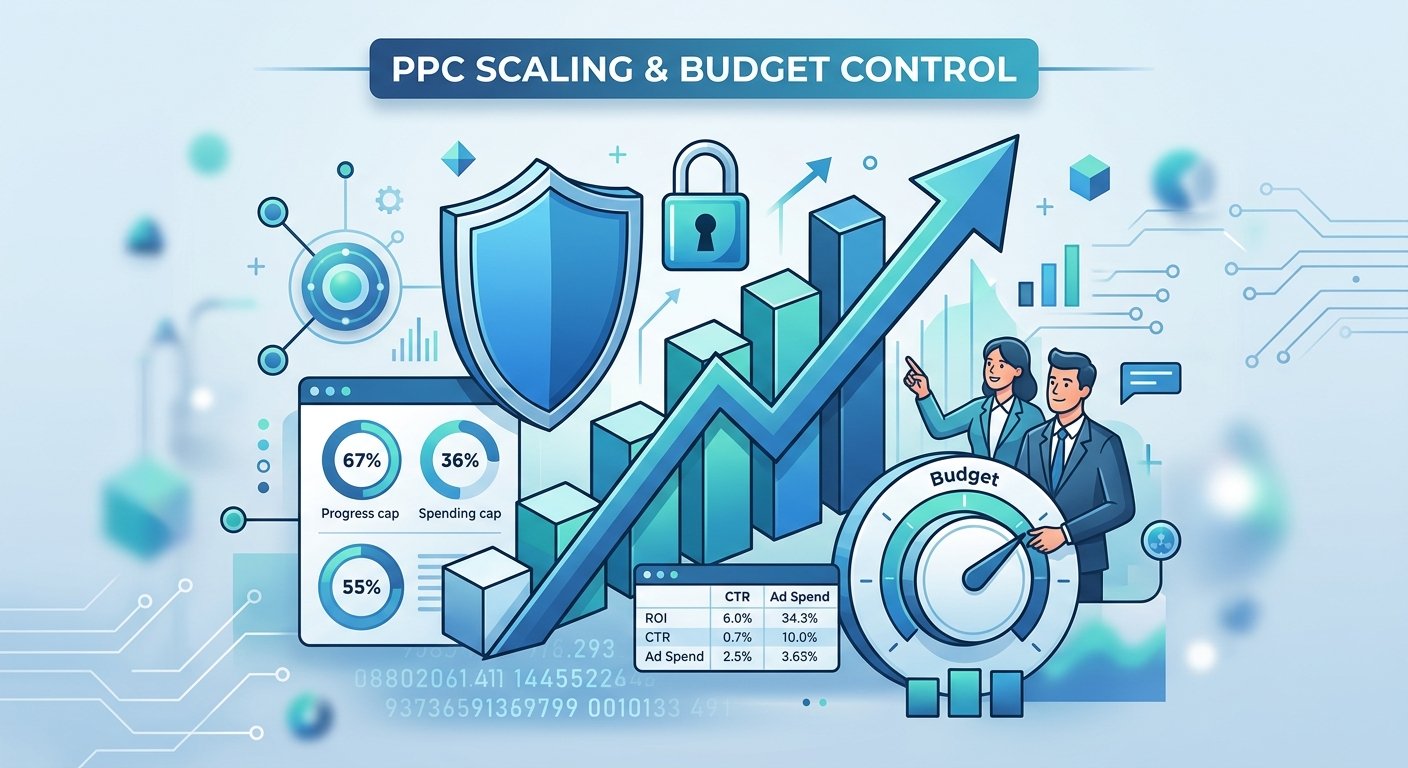
Scale Your PPC Campaign Without Losing Budget
Scale your PPC campaign presents one of the most persistent dilemmas in digital marketing. When budgets increase, ad spend can...

Social Media Strategy for Small Business in 2026: Platforms, Budgets and AI Search Visibility
A social media strategy is a written plan that ties one business goal to a defined audience, two or three...
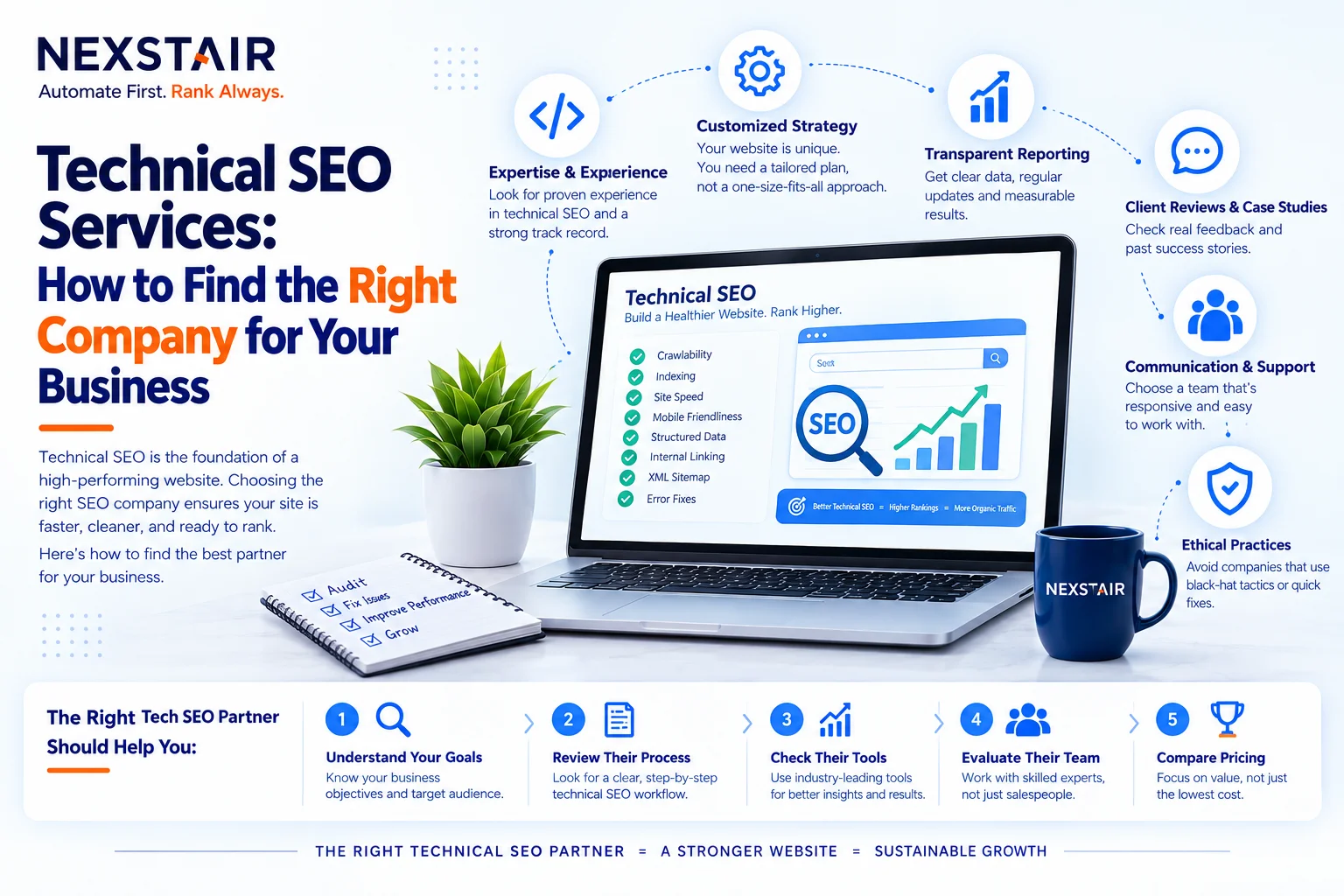
Technical SEO Services: How to Find the Right Company for Your Business
Technical SEO services (also called technical search engine optimization) are the fixes and checks that let search engines crawl, render,...
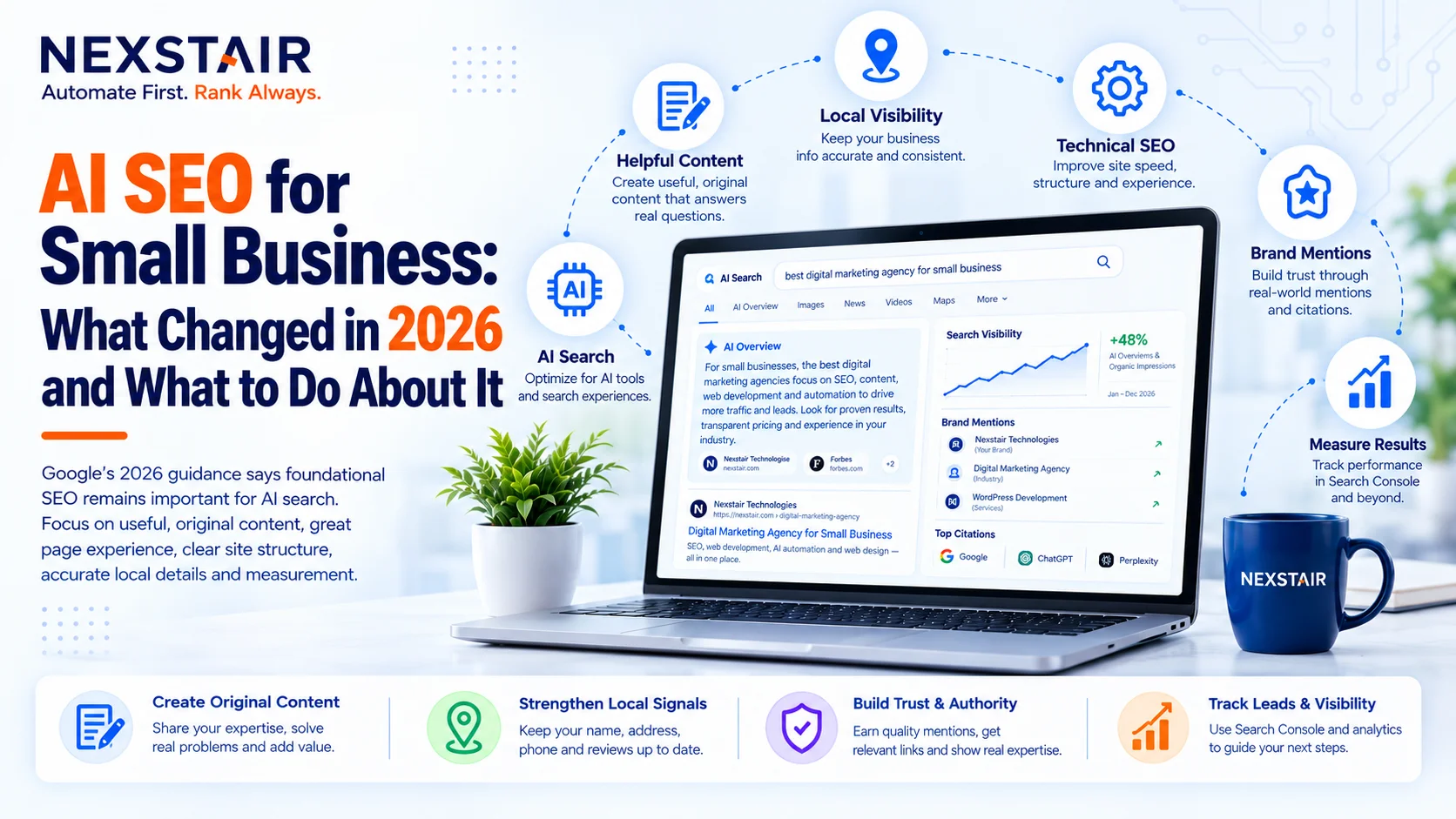
AI SEO for Small Business: What Changed in 2026 and What to Do About It
AI SEO for small business is no longer a future trend to watch. It is the environment every local shop,...