
Why Local Digital Marketing Matters for Small Businesses
In a world dominated by global brands and endless online competition, local digital marketing has become one of the most powerful tools small and medium-sized businesses have to compete and thrive. Rather than trying to reach everyone, local digital marketing focuses on connecting with customers in your immediate community — the people most likely to walk through your door or hire your services.
At Nexstair Technologies, we’ve seen firsthand how a well-executed local marketing strategy can transform a small business’s visibility, foot traffic, and revenue. This guide explores what local digital marketing involves, why it matters, and how to build an effective local strategy.
What Is Local Digital Marketing?
Local digital marketing refers to online marketing strategies specifically designed to attract customers within a defined geographic area — a city, neighborhood, or service radius. Unlike broad national campaigns, local marketing focuses on:
- Ranking well in local search results and Google Maps
- Building a strong presence on local directories and review platforms
- Creating location-specific content that resonates with nearby audiences
- Engaging with the local community through social media and events
- Running geo-targeted advertising campaigns
Why Local Digital Marketing Matters
1. Most Consumers Research Locally Before Buying
A significant portion of consumers search online before visiting a local business or making a purchase decision. If your business doesn’t show up in these searches, you’re losing potential customers to competitors who do.
2. Local Searches Often Have High Purchase Intent
Someone searching for a service “near me” or “in [city name]” is often ready to make a decision quickly, making local search traffic some of the most valuable traffic a business can capture.
3. It Levels the Playing Field
Small businesses can’t always compete with large national brands on advertising budget, but local SEO and community engagement allow them to dominate in their specific geographic market.
4. It Builds Trust and Community Connection
Local marketing — through reviews, local content, and community involvement — helps build genuine trust with nearby customers who value supporting businesses they recognize and feel connected to.
Core Components of a Local Digital Marketing Strategy
1. Google Business Profile Optimization
Your Google Business Profile is often the first thing potential customers see when searching for your business or related services. Key optimization steps include:
- Ensuring accurate business name, address, and phone number (NAP)
- Selecting the correct business categories
- Adding high-quality photos of your location, products, or services
- Posting regular updates, offers, or announcements
- Actively collecting and responding to customer reviews
2. Local SEO
Local SEO involves optimizing your website and online presence to rank well in local search results. This includes:
- Location-specific landing pages for businesses serving multiple areas
- Localized keywords incorporated naturally into website content
- NAP consistency across all online directories and citations
- Local backlinks from community organizations, local news, and business associations
- Mobile-friendly website design, since most local searches happen on mobile devices
3. Online Reviews and Reputation Management
Reviews significantly influence both search rankings and consumer trust. A strong local marketing strategy includes actively encouraging satisfied customers to leave reviews and responding professionally to all feedback, positive or negative.
4. Local Content Marketing
Creating content relevant to your local audience — such as blog posts about community events, local guides, or location-specific service pages — helps build relevance and authority in local search results.
5. Geo-Targeted Advertising
Platforms like Google Ads and Meta Ads allow businesses to target advertising specifically to users within a defined radius, city, or region, ensuring ad spend reaches the most relevant potential customers.
6. Social Media and Community Engagement
Engaging with local audiences on social media, partnering with other local businesses, and participating in community events all reinforce your brand’s local presence and credibility.
Local Digital Marketing vs. Traditional Local Advertising
Traditional local advertising — like newspaper ads, flyers, or radio spots — has historically been how small businesses reached their community. Local digital marketing offers several advantages over these traditional methods:
- Measurable results – digital campaigns provide clear data on reach, clicks, and conversions, unlike traditional media.
- Cost efficiency – digital advertising often allows for more precise targeting at a lower cost than broad traditional media buys.
- Real-time adjustments – digital campaigns can be optimized quickly based on performance data, while traditional ads are often locked in for their full run.
- Broader reach with precision – digital tools allow you to reach a wide local audience while still targeting specific demographics or interests.
That said, the most effective local strategies often combine both digital and traditional elements for maximum community visibility.
Common Mistakes in Local Digital Marketing
- Inconsistent business information across directories, which confuses both customers and search engines
- Ignoring reviews, especially negative ones, which can damage trust and local search rankings
- Neglecting mobile optimization, despite most local searches happening on mobile devices
- Underestimating the value of local content, missing opportunities to connect with community-specific interests and events
- Failing to track and measure results, making it difficult to know what’s actually working
LSI Concepts Related to Local Digital Marketing
To deepen your understanding of this space, it’s helpful to be familiar with related concepts such as local SEO, Google Business Profile, NAP consistency, geo-targeting, online reputation management, community marketing, and hyperlocal advertising. These concepts collectively form the foundation of effective local digital marketing strategies.
How Small Businesses Can Get Started with Local Digital Marketing
- Claim and fully optimize your Google Business Profile — this is often the highest-impact, lowest-cost step.
- Audit your website for local SEO fundamentals, including localized keywords and mobile-friendliness.
- Actively request and respond to customer reviews across major platforms.
- Create locally relevant content that speaks to your community’s interests and needs.
- Experiment with geo-targeted ads to reach nearby customers with high purchase intent.
- Partner with a local digital marketing agency if you lack the internal resources or expertise to manage these efforts consistently.
Why Nexstair Technologies for Local Digital Marketing
Nexstair Technologies specializes in helping small and medium-sized businesses build a strong, sustainable local presence online. From Google Business Profile optimization and local SEO to geo-targeted advertising and reputation management, our team crafts strategies designed to help your business stand out in your specific community — driving real foot traffic, calls, and conversions, not just impressions.
Frequently Asked Questions
Q1: What is the difference between local digital marketing and general digital marketing?
Local digital marketing specifically targets customers within a defined geographic area, while general digital marketing may target a broader, national, or global audience without geographic focus.
Q2: How important are online reviews for local digital marketing?
Reviews are extremely important — they influence both local search rankings and consumer trust, often serving as a deciding factor for potential customers comparing local businesses.
Q3: How long does it take to see results from local SEO?
Local SEO typically takes three to six months to show significant results, though some improvements, like Google Business Profile optimization, can show impact more quickly.
Q4: Do I need a website to benefit from local digital marketing?
While a website significantly strengthens your local marketing efforts, a well-optimized Google Business Profile alone can drive meaningful visibility and customer engagement.
Q5: Can local digital marketing work for service-area businesses without a physical storefront?
Yes. Service-area businesses can optimize their Google Business Profile and local SEO strategy around the specific areas they serve, even without a public-facing storefront.
Final Thoughts
Local digital marketing offers small businesses a powerful, cost-effective way to compete and grow within their community. By focusing on local SEO, reputation management, geo-targeted advertising, and community engagement, businesses can build genuine visibility and trust with the customers most likely to choose them. For businesses ready to strengthen their local presence, partnering with an experienced team can accelerate results and ensure a cohesive, effective strategy.
Ready to grow your local presence? Visit nexstair.com to learn how Nexstair Technologies can help.
Recent Posts
Related Posts

Are AI Web Crawlers Indexing Your Site Correctly?
For years, web developers have relied on JavaScript to power the modern internet, operating under the assumption that search engines...
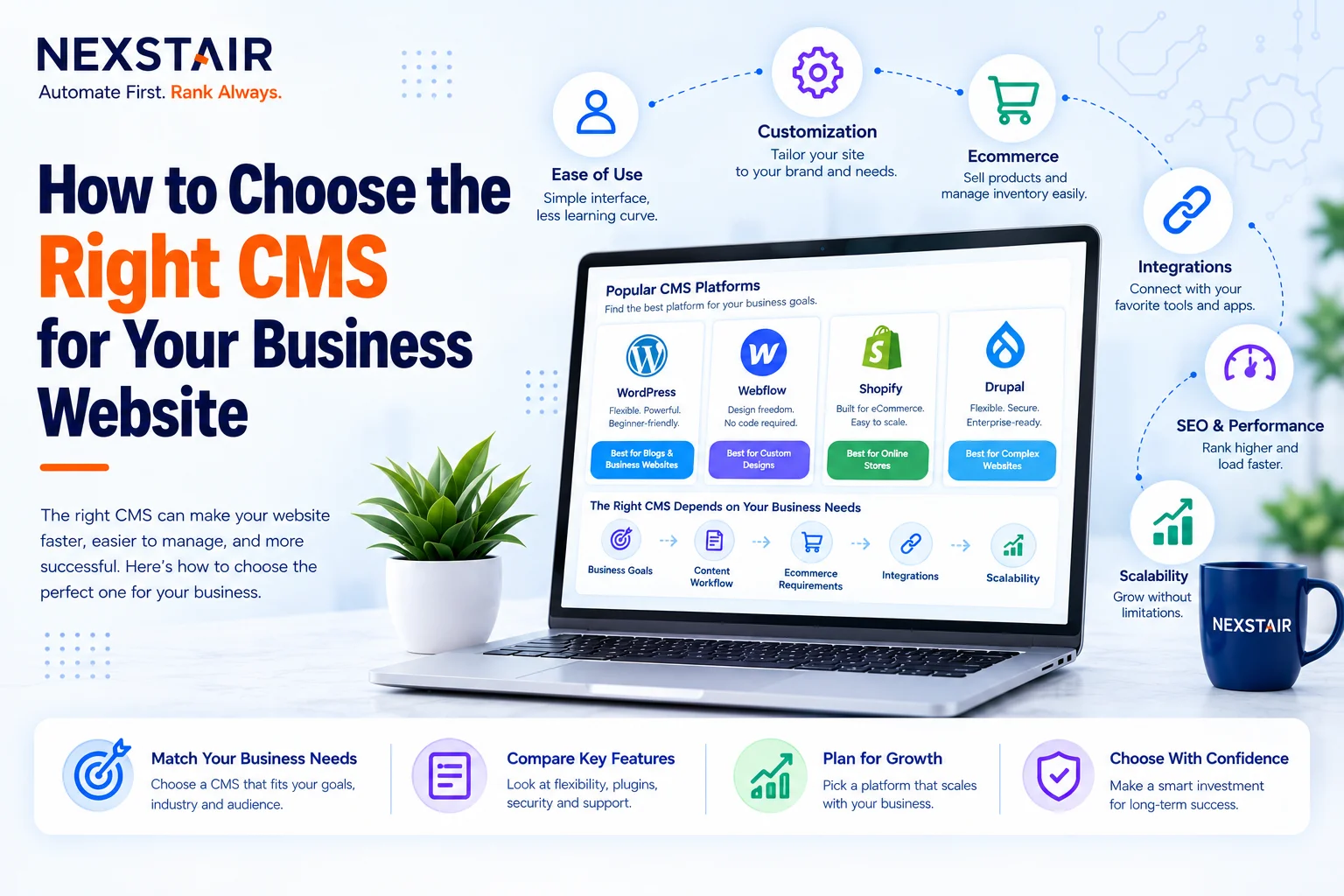
How to Choose the Right CMS for Your Business Website
Choosing a CMS for business use is an architectural decision, not a design decision, even though most business owners approach...

How to Manage Social Media Marketing for Small Business
Learn how to manage social media marketing for small business effectively & proven strategies, planning tips, and tools to grow...
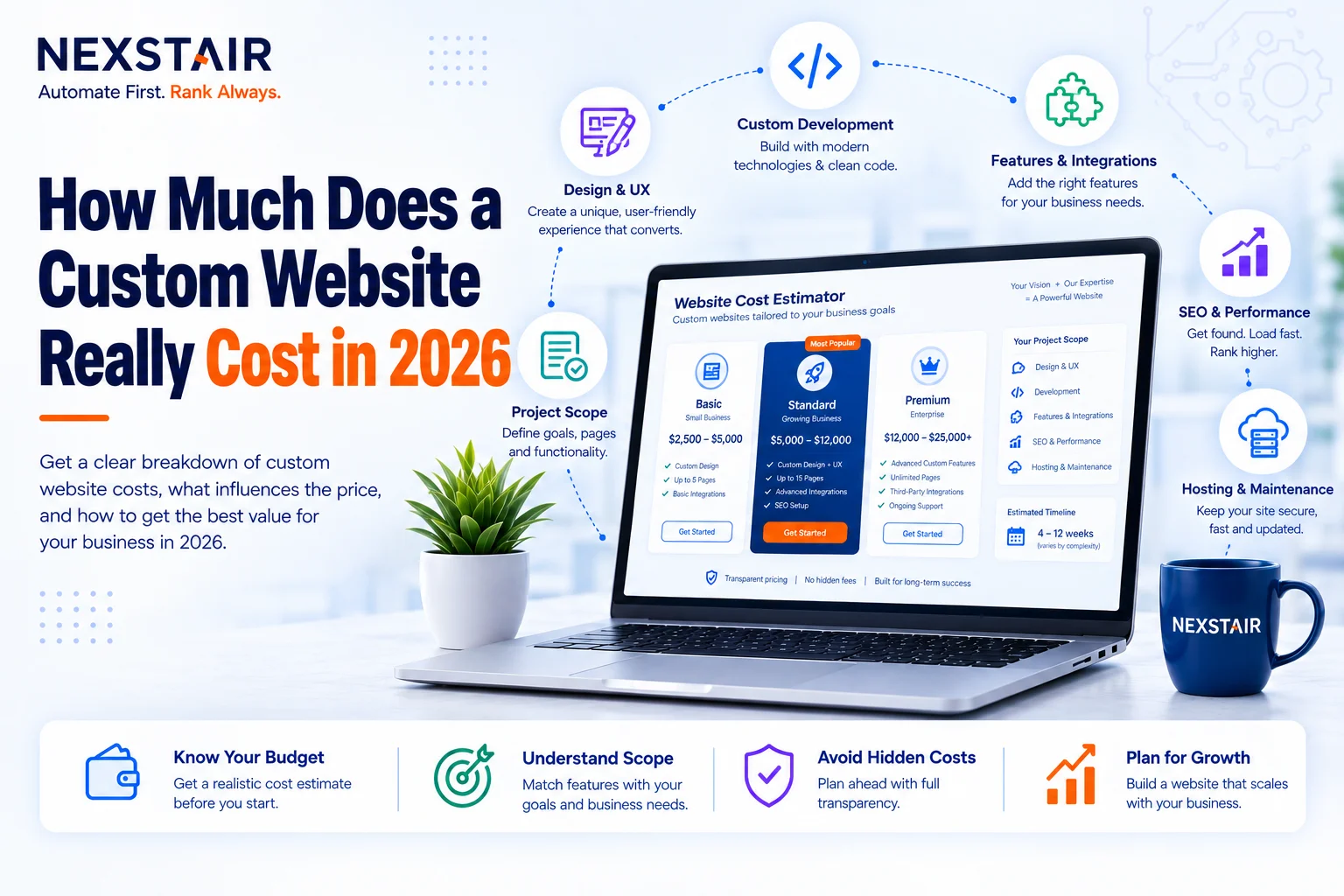
How Much Does a Custom Website Cost in 2026
Ask five agencies what a custom website costs and you’ll get five different numbers, and none of them will be...
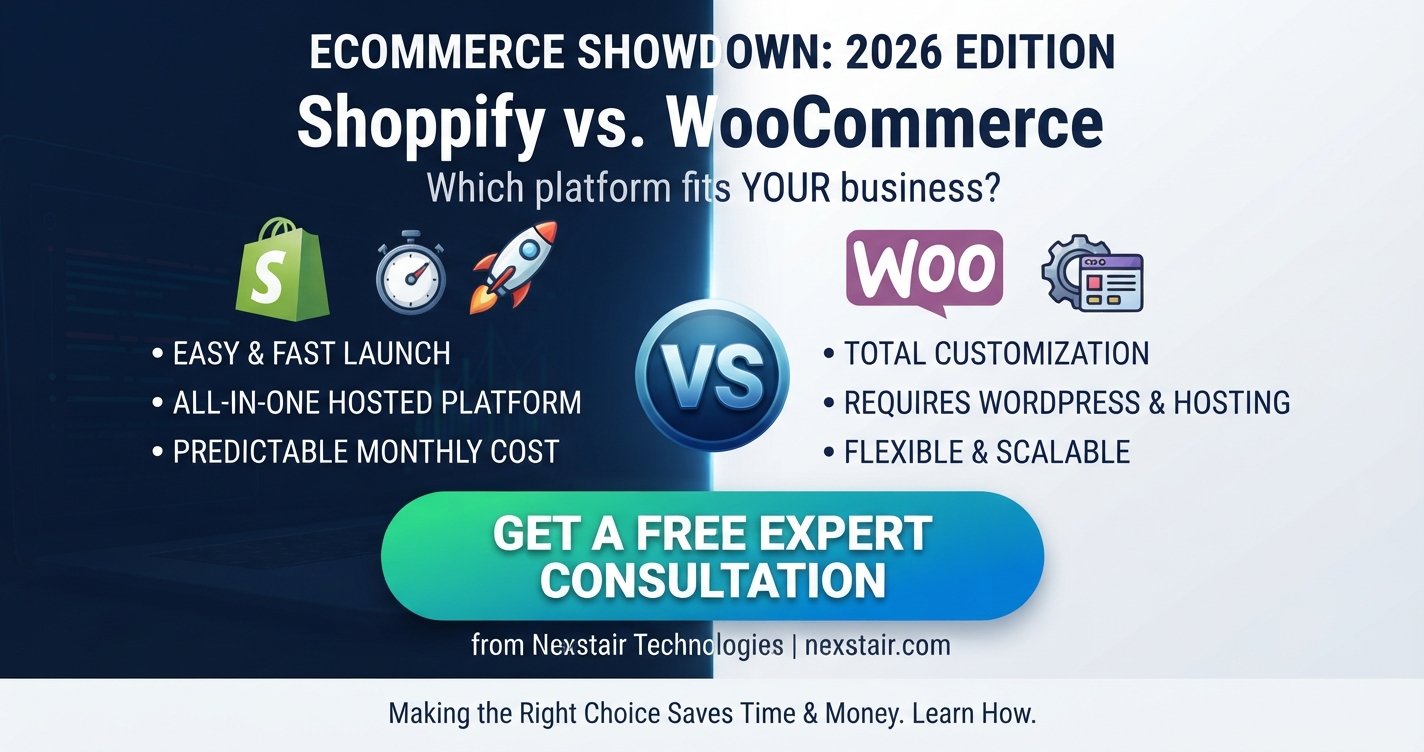
Shopify vs WooCommerce: Choosing the Right Ecommerce Platform
Choosing an eCommerce platform is one of those silent factors that can impact your monthly costs, your developers' pain,...