

Shopify Web Development vs Custom Websites: What’s Best for Your Business?
In today’s hyper-competitive digital marketplace, a strong online presence is essential for any business aiming to succeed. Whether you’re launching a new eCommerce brand or upgrading your current website, the platform and development approach you choose will significantly impact your growth, user experience, and bottom line.
Two of the most popular options are Shopify web development services and custom web development services. But how do they compare? Which is better suited to your goals, technical capacity, and budget?
In this comprehensive guide, we’ll compare Shopify web development vs custom websites, covering everything from cost and scalability to design freedom and long-term flexibility. We’ll also help you understand the roles of eCommerce web development and front end web development services in both options so you can make an informed decision for your business.
Importance of Choosing the Right Web Development Approach:
Your website is your digital storefront. It’s often the first touchpoint a customer has with your brand. Therefore, selecting the right development strategy is not just a technical decision—it’s a business-critical one.
The choice between Shopify and custom-built websites depends on several factors:
Business size and type
Product catalog
Budget and resources
Custom functionality needs
Design requirements
Growth projections
Let’s explore how Shopify web development services and custom web development services meet these needs differently.
What Is Shopify Web Development?
Shopify is a hosted, all-in-one eCommerce platform designed to help businesses create online stores with minimal technical know-how. With built-in templates, plugins, and payment integrations, Shopify streamlines the process of launching and managing an online store.
Shopify Web Development Services include:
Theme customization
Shopify app integrations
Payment gateway setup
Shopify Plus development for enterprises
SEO and performance optimization
Ongoing maintenance and support
These services are ideal for businesses that want to get up and running quickly with minimal complexity.
What Is Custom Web Development?
Custom web development services involve designing and building a website from scratch, usually using programming languages like HTML, CSS, JavaScript (for front-end), and frameworks such as Laravel, Node.js, or Django (for back-end).
This approach gives businesses total control over:
User interface and experience
Backend architecture
Custom features and integrations
Security and compliance
SEO and speed optimization
Ecommerce web development under custom development can leverage platforms like WooCommerce, Magento, or headless CMS solutions combined with powerful APIs for ultimate flexibility.
Comparing Shopify Web Development and Custom Websites
Let’s break down these two options across critical areas of consideration:
A. Speed of Development
Shopify Web Development: With pre-built templates and a drag-and-drop builder, you can launch a Shopify store in days or weeks.
Custom Development: Building from scratch can take weeks to months, especially if custom features and design are required.
✅ Winner: Shopify for speed
B. Design Flexibility
Shopify: Offers a variety of themes, but heavy customization can be restricted by its templating language, Liquid.
Custom Development: Complete creative freedom over layout, animations, UX design, and branding.
✅ Winner: Custom websites for design control
C. Functionality and Scalability
Shopify: Limited to the features Shopify offers or apps available in its marketplace.
Custom Web Development: Build any functionality you want—custom checkout flows, dynamic pricing, advanced search filters, etc.
✅ Winner: Custom for advanced needs and scalability
D. Cost Considerations
Shopify: Monthly fees start from $39 to $399 (for Shopify Plus), plus app costs and transaction fees.
Custom: High upfront costs for design, development, and hosting. Maintenance is also the business’s responsibility.
✅ Winner: Shopify for startups and small businesses; Custom for long-term ROI
E. Maintenance and Updates
Shopify: Fully managed platform. Security, updates, and hosting are taken care of.
Custom: Requires manual updates, performance checks, server management, and security protocols.
✅ Winner: Shopify for ease of use
F. SEO and Performance
Shopify: Decent out-of-the-box SEO, but limited server access restricts advanced optimization.
Custom: You can fine-tune every aspect of your site for SEO, from schema markup to lightning-fast performance.
✅ Winner: Custom for technical SEO and performance control
Role of Front End Web Development Services
Whether you’re using Shopify or building a custom website, front end web development services play a vital role in how users interact with your brand.
In Shopify:
Front-end developers customize themes using Liquid, CSS, and JavaScript.
Focus on user experience (UX), mobile responsiveness, and conversion optimization.
In Custom Development:
Developers have full control over UX/UI frameworks (like React or Vue.js).
Enables unique experiences like personalized dashboards or immersive product pages.
Ideal Use Cases for Shopify Web Development
Shopify is best for:
Startups and SMBs launching their first online store.
Businesses with standard eCommerce needs (product catalog, shopping cart, payment gateway).
Dropshipping or print-on-demand stores.
Entrepreneurs looking for a plug-and-play solution without a tech team.
Example: A small fashion boutique with 50–100 SKUs could thrive using Shopify’s built-in tools, themes, and third-party apps.
Ideal Use Cases for Custom Web Development
Custom development is perfect for:
Medium to large businesses with complex requirements.
eCommerce sites with personalized user journeys or integrations with internal systems (ERP, CRM).
High-traffic stores needing tailored SEO and performance optimization.
Businesses in regulated industries requiring custom security protocols.
Example: A global electronics brand with multilingual sites, custom checkout logic, and advanced inventory management needs custom eCommerce web development.
SEO, Integrations, and Marketing Tools
Shopify
SEO: Built-in tools for meta tags, URL optimization, and sitemaps.
Integrations: Works well with Google Shopping, Facebook Ads, and email tools like Klaviyo.
Limitations: Can’t access server settings for advanced SEO optimization.
Custom Sites
SEO: Total control—AMP pages, custom schema, headless architecture.
Integrations: Custom APIs allow you to connect to any third-party service, even legacy systems.
Flexibility: Easily build personalized marketing features, loyalty programs, etc.
✅ Winner: Custom for marketers and enterprises
Headless Commerce: Bridging Shopify and Custom
Headless commerce separates the front end from the back end, allowing for greater flexibility.
Headless Shopify allows brands to:
Use Shopify as the backend (product management, payments)
Build a custom front end using frameworks like React or Vue
It’s a hybrid that offers the best of both worlds—Shopify’s robust infrastructure with the freedom of custom front-end development.
✅ Best suited for fast-scaling DTC brands looking to level up their UX
Making the Decision: Shopify or Custom?
Here’s a quick comparison matrix:
| Factor | Shopify Web Development | Custom Web Development |
|---|---|---|
| Speed to Launch | Fast (days to weeks) | Slow (weeks to months) |
| Design Flexibility | Moderate | High |
| Custom Features | Limited by platform | Unlimited |
| Maintenance | Minimal, handled by Shopify | Ongoing, handled by your team |
| Cost | Low upfront, monthly fees | High upfront, low long-term fees |
| SEO & Performance | Basic | Advanced optimization possible |
| Scalability | Moderate | High |
| Technical Skill Required | Low | High |
Final Verdict: What’s Best for Your Business?
Choose Shopify Web Development Services if:
You want to launch quickly and efficiently
You don’t have access to a full-stack development team
You’re happy using existing templates and plugins
You prefer predictable monthly costs and full technical support
Choose Custom Web Development Services if:
You need unique features or advanced back-end integrations
You want complete design and SEO control
You’re building a complex or large-scale eCommerce business
You have the budget to invest in long-term growth
Conclusion: Align Your Web Development with Your Business Goals:
There’s no one-size-fits-all answer when it comes to web development. Your choice between Shopify web development services and custom web development services should reflect your business goals, budget, technical capabilities, and growth projections.
For entrepreneurs, startups, or small product-based businesses, Shopify offers a reliable and easy-to-manage solution. But if you’re aiming to scale aggressively, deliver unique digital experiences, or require deep integrations, custom development is the more powerful—and future-proof—option.
Whichever path you choose, ensure you work with experienced developers or a trusted ecommerce web development agency that understands both the tech and business side of digital commerce.
Need help deciding between Custom and Shopify Web Development Services? Contact our expert team for tailored eCommerce web development and front end web development services that align with your business goals.
Recent Posts
Related Posts

How Much Does a WordPress Website Cost in 2027?
If you search for the WordPress Website Cost, you will see answers ranging from $50 to $50,000. Nobody is lying...
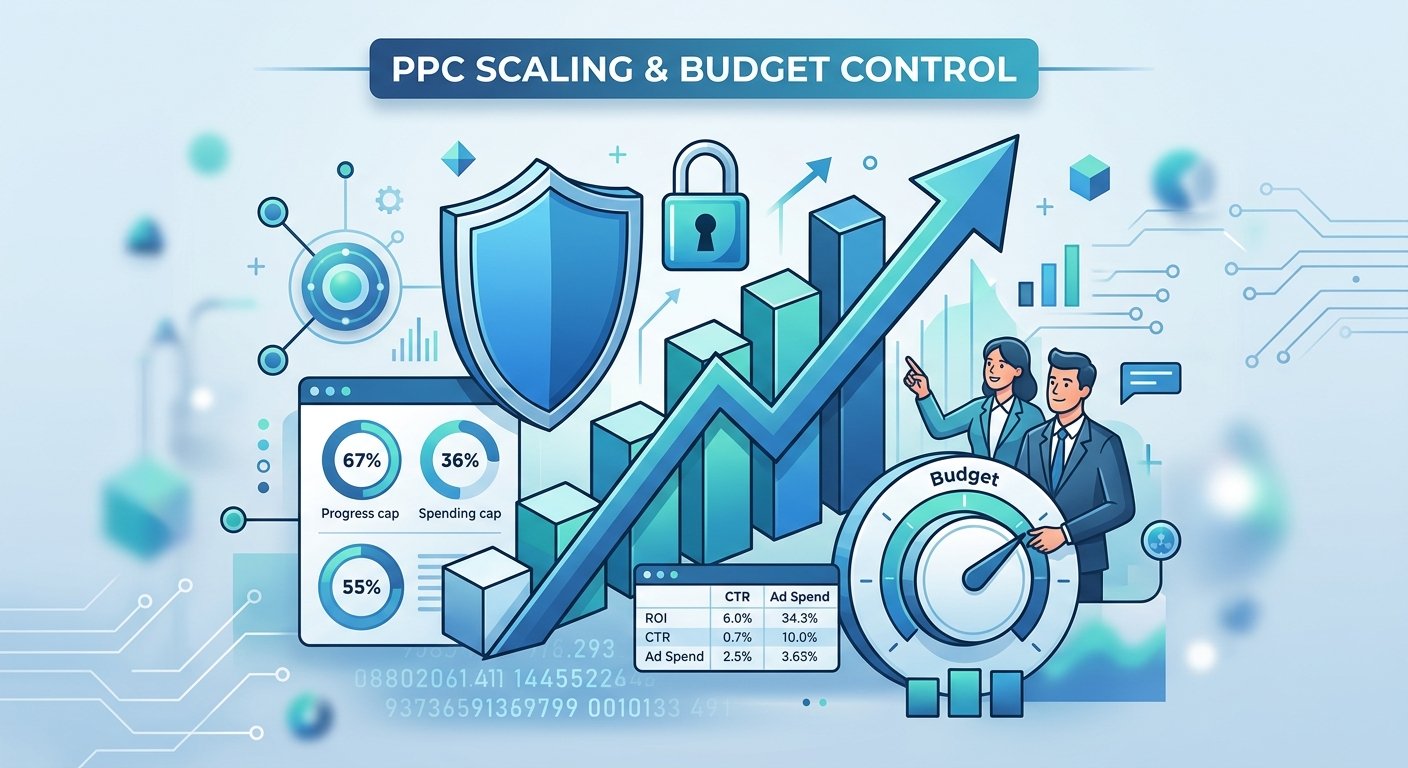
Scale Your PPC Campaign Without Losing Budget
Scale your PPC campaign presents one of the most persistent dilemmas in digital marketing. When budgets increase, ad spend can...

Social Media Strategy for Small Business in 2026: Platforms, Budgets and AI Search Visibility
A social media strategy is a written plan that ties one business goal to a defined audience, two or three...
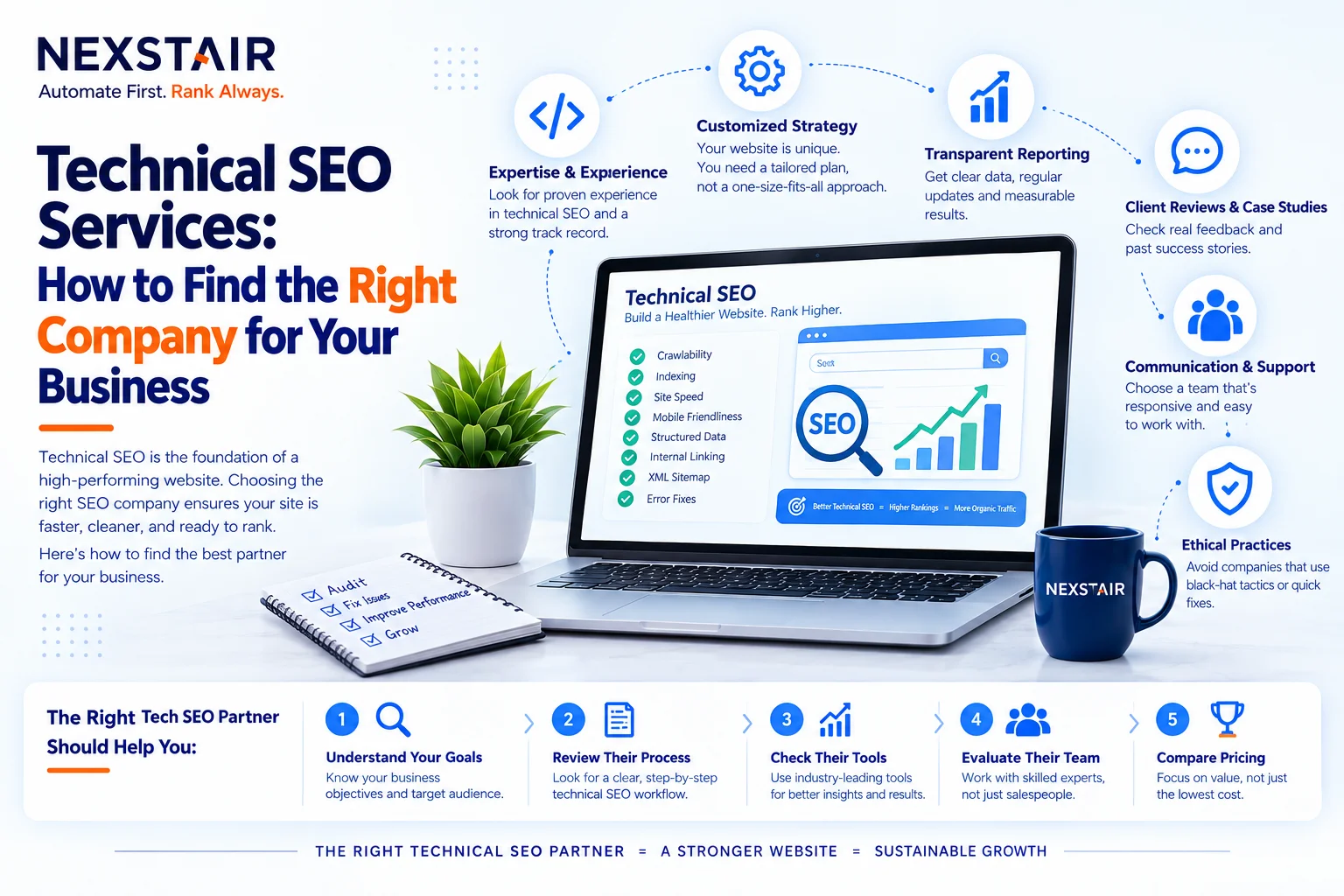
Technical SEO Services: How to Find the Right Company for Your Business
Technical SEO services (also called technical search engine optimization) are the fixes and checks that let search engines crawl, render,...
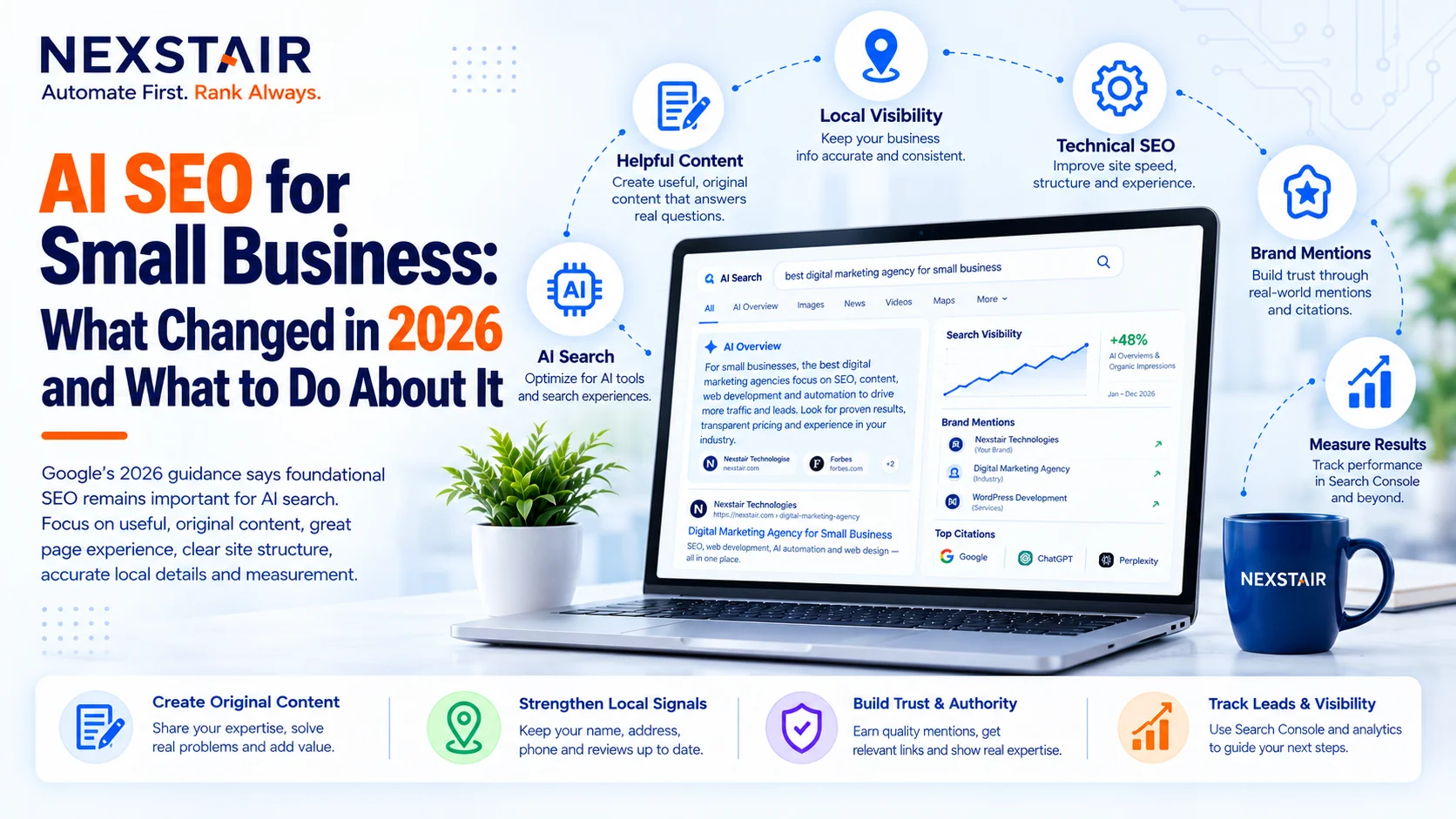
AI SEO for Small Business: What Changed in 2026 and What to Do About It
AI SEO for small business is no longer a future trend to watch. It is the environment every local shop,...