
How to Grow a Travel Brand on Instagram: A Bookings-First Guide
Growing a travel brand on Instagram means turning attention on the platform into inquiries and paid bookings, not just a bigger follower count. The platform already sits inside the trip-planning process. In Phocuswright’s 2024 survey of 1,064 U.S. leisure travelers, 68% used Instagram for trip planning, and 65% of those who planned on social media made a purchase or visitation decision based on content they saw. Images (55%) and short-form video (53%) were the formats most likely to trigger that decision.
That makes the work practical, not decorative. A tour operator, travel agency, or hotel needs a profile that explains the offer, content pillars that match the buyer’s journey, a mix of Reels, carousels, and Stories, keyword-aware captions instead of hashtag piles, and a clear path from a post to a booking request. Each piece connects to the next, and each one can be measured.
This guide covers why Instagram matters for travel, how to set up the profile, how to build content pillars, which formats earn engagement, how search and hashtags work now, and how to turn followers into bookings through direct messages, WhatsApp, and tracked links. It also covers guest content and micro-influencers, a posting schedule, paid ads, what to measure, and the mistakes that cost the most. The FAQs at the end answer questions on booking paths, posting frequency, hashtags, Reels, ad costs, and agency versus in-house.
Why Instagram Matters for Travel Brands
Instagram matters because travelers meet a trip long before they buy it. 54% of travelers who converted first saw the influential content more than a month before their trip, and 82% saw it within two months of departure, according to the same Phocuswright report. So a post published today can earn a booking next season.
Age shapes the audience. In a 2024 JustFly survey of 2,000 Americans, 81% of Gen Z and 75% of Millennials said they consider social media when choosing a destination, against 50% of Gen X and 32% of Baby Boomers. JustFly is an online travel agency, so read the survey as directional, not neutral. The pattern still holds: younger travelers decide on the platform, and older ones lean on it less.
Pricing gets decided there too. 39% of converters used social media to compare specific options and prices, which means your feed is part of the shortlist, not a billboard. That shortlist starts at your profile.
Start With a Profile That Sells Trips
A profile does the first sell. Visitors check four things: what you offer, where, who it’s for, and how to book. Set it up in this order:
- Write a bio that names your offer, destination, and traveler type.
- Place one primary link, ideally a dedicated booking or inquiry page, not your homepage.
- Pin three posts: your signature trip, a guest review, and a short explainer on how booking works.
- Organize Highlights by question: Trips, Reviews, FAQs, and How to Book.
- Enable the contact button for email, calls, or messages.
Add plain keywords to your profile name and bio, such as “Bali small-group tours”, so people searching those words can find you. With the profile ready, the next job is deciding what to post, and that starts with content pillars.
Build Content Pillars for Your Business Type
Content pillars tie every post to a stage of the buying journey. Five cover most travel businesses:
- Inspire: destination footage and itineraries that spark the first idea.
- Prove: guest reviews, photos, and testimonials that answer the “is it worth it” question.
- Plan: timing, packing, visa, and budget tips that help travelers decide.
- Sell: departures, availability, and offers with a clear next step.
- Show: behind-the-scenes moments with guides, advisors, and suppliers.
Tour operators lean on Show and Prove: guides on the ground, small-group moments, and real departures. Travel agencies lean on Plan: advisors explaining how they build a trip, compare options, and protect a client’s budget. Keep Sell posts to a minority of the feed so the account doesn’t read as an ad board. Pillars decide the topics, and formats decide how those topics get delivered.
Choose Formats: Reels, Carousels, and Stories
Formats do different jobs. Socialinsider analyzed 35 million posts from 447,613 Instagram pages in 2025 and found average engagement of 0.55% for carousels, 0.52% for Reels, and 0.37% for single images. Carousels earn the most engagement, while Reels are built to reach people who don’t follow you yet. A social media strategist quoted in the same report recommends a mix of 60 to 70% Reels, 20 to 30% carousels, and about 10% single images, with Stories running alongside.
Give each format a clear job:
- Film Reels of destination highlights, “day on the tour” clips, and behind-the-scenes moments.
- Build carousels for itineraries, packing lists, and price breakdowns that people save for later.
- Run Stories for polls, countdowns, availability alerts, and quick answers to common questions.
- Post single images when the photograph is strong enough to carry the message alone.
Reach also depends on how people find those posts, which brings in search and hashtags.
Use Search and Hashtags the Way Instagram Works Now
Search now does more of the work than hashtags. Adam Mosseri, who runs Instagram, has said hashtags are no longer a primary way to increase reach, as quoted in a recent Viraly guide. So write captions that people would type into the search bar.
Put the destination, the trip type, and the traveler type in the first line, for example “Family safari in Kenya: 7 days, small group”. Repeat those words in your on-screen text, and add descriptive alt text for screen-reader users. Then add a handful of precise hashtags: one for the location, one for the trip type, and one branded tag your guests can use. Geotag every post, because travelers search by place.
Findability only brings the viewer to the door. Turning followers into bookings is the next step.
Turn Followers Into Bookings
Bookings happen when a post leads somewhere. Most competitor guides skip this step, and it’s where the revenue sits. Build four paths and make each one easy:
- Link from your bio to a dedicated landing page that shows the trip, price range, dates, and one inquiry form.
- Answer direct messages with saved replies covering price, dates, and what’s included.
- Offer WhatsApp click-to-chat links for travelers who’d rather ask by message in their own time.
- Add link stickers to Stories ahead of departures and sales.
Tag each path so you can see what pays. Add UTM parameters to every link, and give each channel its own promo code if your booking system supports one. Then Google Analytics 4 shows which posts sent visitors who booked, not just visitors who clicked.
Speed counts as much as design. A traveler messaging at 9 p.m. is comparing several companies, and a fast, specific reply keeps you on the shortlist. And since most people won’t book on the first visit, give them a reason to stay in touch, such as a free itinerary PDF or a seasonal checklist in exchange for an email address.
Reviews and guest posts supply the proof those paths need, which is where user-generated content comes in.
Use Guest Content and Micro-Influencers
Guest content works because travelers trust other travelers. In the JustFly survey, 65% said friends and family most influence their destination choices. Guests who post your trip carry that influence at scale. Make it easy for them:
- Create a branded hashtag, and print it on tour materials and confirmation emails.
- Ask permission in writing before reposting any guest photo or video.
- Credit the guest with a tag, then share the best posts to Stories and Highlights.
- Run a monthly photo prompt with a small prize, such as a free upgrade.
Micro-influencers extend the reach. Choose creators whose audiences match your travelers, check their engagement and comments before their follower counts, and agree on deliverables before the trip. The Federal Trade Commission requires clear disclosure of paid or gifted partnerships, so require the paid-partnership label or #ad on every sponsored post. Content from all these sources needs a schedule, or consistency collapses.
Plan a Posting Schedule You Can Keep
Schedules fail when they’re too ambitious. Socialinsider’s 2025 data shows the average account posted about 8 Reels, 5 carousels, and 7 single images a month. Match that rhythm, then adjust from your own results.
Batch a month of content in one shoot day. Plan around the seasons: publish destination inspiration well ahead of each booking window, and save limited-availability posts for the weeks before departure.
Consistency is where small teams stall. If the calendar keeps slipping, social media marketing services can run planning, content, and community management on a month-to-month basis while your team handles the sales conversations. Once organic posts show which messages land, paid ads can amplify them.
Add Paid Ads After Organic Posts Prove Themselves
Paid ads work best as an amplifier, not a rescue. Boost the Reels and carousels that already earn saves, shares, and inquiries, since those posts have shown the message lands. Then widen the audience in steps: people who visited your profile or watched your videos first, followed by lookalike audiences built from past customers.
Send ad traffic to the same landing page your bio uses, so tracking stays clean. Use click-to-message ads instead when most of your conversions happen in direct messages. Ads run through Meta’s tools, and cost varies widely by audience and season, so test small before you scale. Paid or organic, every result needs the same funnel tracking, so measurement comes next.
Measure What Matters
Measurement starts below the vanity line. Followers and likes show attention. Saves, shares, profile visits, link clicks, messages, inquiries, and bookings show intent. Track them in that order, as a funnel.
Instagram Insights covers reach, saves, shares, and profile visits. Google Analytics 4 and your booking system cover link clicks, inquiries, and bookings. Review the numbers monthly, keep a simple log of which posts came before inquiries, and put more effort behind the pillar and format with the lowest cost per booking.
Because trips are bought slowly, judge results over a full season, not a single week. Even a sound plan stalls when common mistakes creep in.
Common Mistakes That Stall Growth
Mistakes repeat across travel accounts, and most are easy to fix:
- Posting only offers, which turns the feed into an ad board.
- Linking the bio to a homepage instead of a booking page.
- Leaving messages unanswered for days.
- Copying competitors’ content without a point of view.
- Buying followers or using growth services, which inflates the count and drags engagement down.
- Skipping tracking, so nobody knows what produced a booking.
A short recap shows how the pieces fit together.
Conclusion
Growing a travel brand on Instagram comes down to turning attention into inquiries and paid bookings. Travelers meet trips months ahead, so the profile has to sell the offer on first view. Content pillars match each post to the buying journey, and Reels, carousels, and Stories each do a different job.
Keyword-aware captions and a few precise hashtags help the right people find you, and a clear path from a post to a booking request, through a landing page, direct messages, WhatsApp, and tracked links, turns that attention into revenue. Guest content and micro-influencers supply proof, a schedule you can keep supplies consistency, paid ads amplify the posts that already work, and monthly measurement shows what to repeat. Fix the mistakes above, and the account compounds.
If you’d like a second opinion on your own account, request a free audit from Nexstair’s social media marketing agency team. The audit comes with no commitment, and engagements run month to month.
Frequently Asked Questions
How do travel companies get bookings from Instagram?
Travel companies get bookings from Instagram through four paths: a bio link to a booking page, direct messages, WhatsApp click-to-chat links, and Story link stickers. Give each path its own UTM tag or promo code so you can see which one pays. Reply quickly on every path, because travelers often compare several operators before they commit.
How often should a travel business post on Instagram?
The average account in Socialinsider’s 2025 data posted about 8 Reels, 5 carousels, and 7 single images a month. Match that rhythm if you can sustain it, and add Stories on top. A schedule you can keep beats a heavier one you abandon after a month.
Do hashtags still work for travel businesses?
Yes, but only as a minor help. Instagram’s head, Adam Mosseri, has said hashtags are no longer a primary way to grow reach, so keywords in captions and on-screen text carry more weight. Use a few precise tags: one for the location, one for the trip type, and one branded tag for guests.
Are Reels better than photos for travel brands?
Reels beat single photos on engagement, but carousels beat both. Socialinsider’s 2025 averages were 0.55% for carousels, 0.52% for Reels, and 0.37% for single images. For bookings, travelers in Phocuswright’s survey named images (55%) and short-form video (53%) almost equally as the formats that triggered a decision, so use both.
How much do Instagram ads cost for a travel business?
Instagram ads typically cost $0.40 to $1.80 per click, according to a September 2026 benchmark guide from Top Growth Marketing, which gives no travel-specific figure. Your real cost per booking depends on your trip price and how many inquiries close. Start with a small test budget, and scale only the ads that produce bookings.
Should a travel agency hire a social media agency or run Instagram in-house?
In-house works when one person can post on schedule and reply to messages quickly, while an agency works better when consistency, paid ads, or reporting keep slipping. Many small travel agencies start in-house for organic posts, then add outside help for ads and tracking once Instagram bookings justify the spend.
Recent Posts
Related Posts
Growing a travel brand on Instagram means turning attention on the platform into inquiries and paid bookings, not just a...

AI landing page design services are professional design and build engagements where a team combines AI prototyping and behavior analytics...
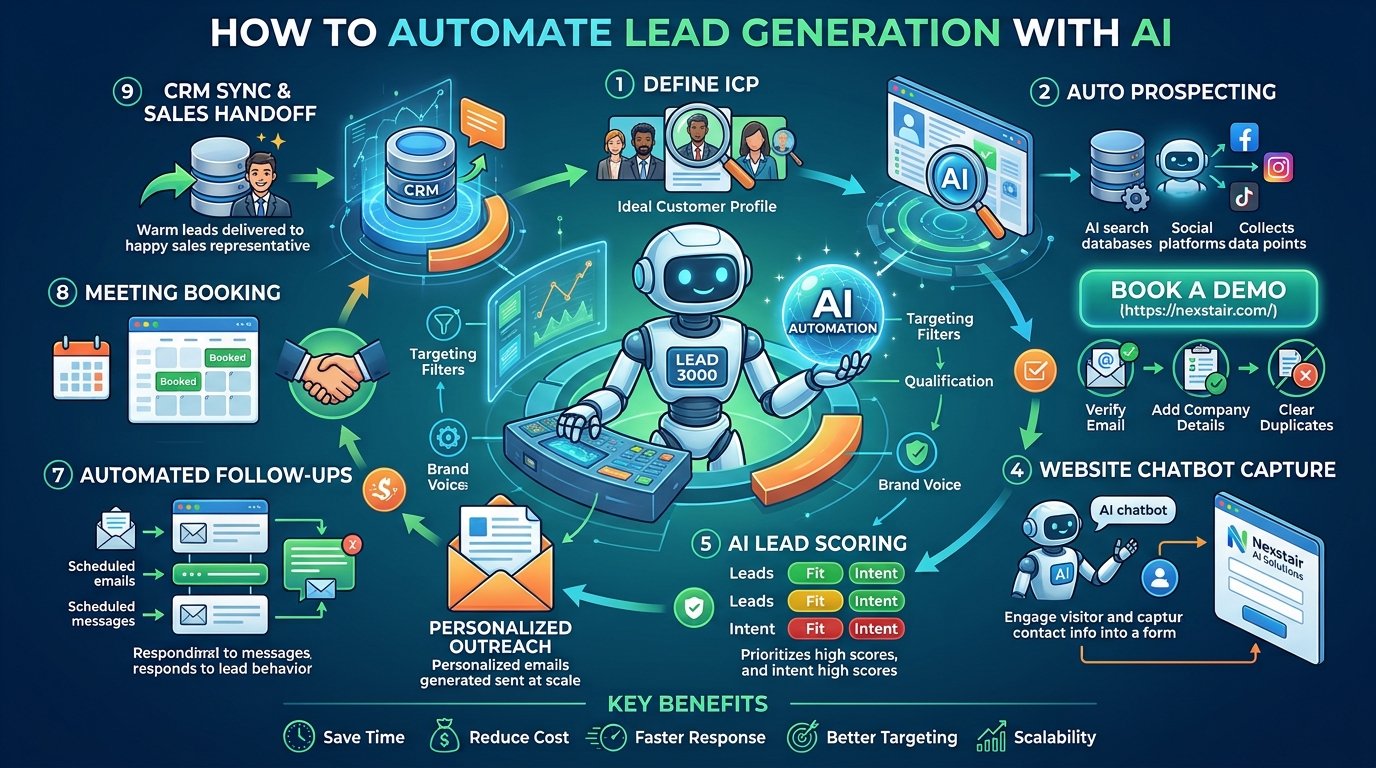
Learn how to automate lead generation with AI, from finding prospects and scoring leads to follow-ups and chatbots. A practical...
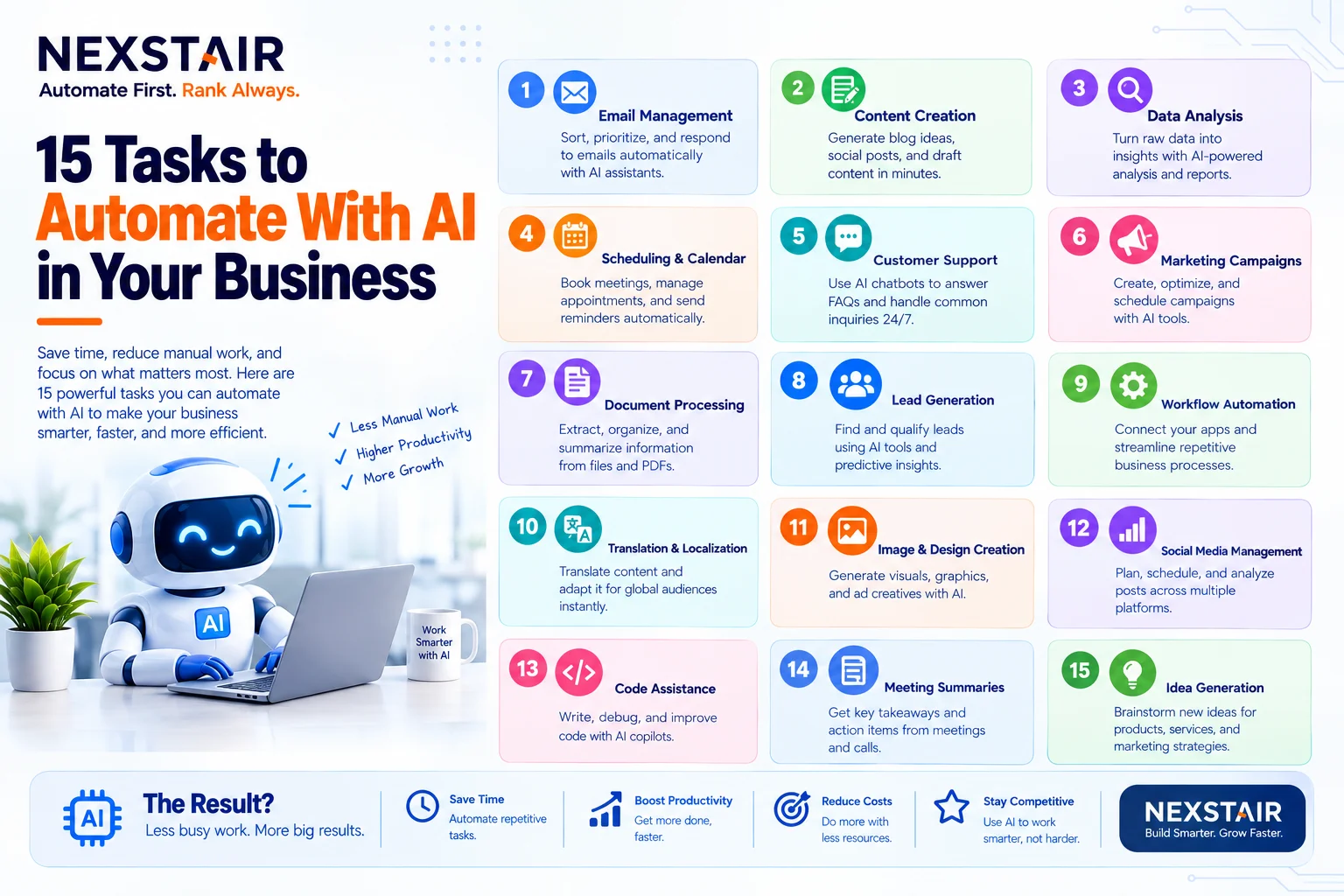
Every business has work that nobody enjoys and everybody does. Copying leads from a form into a spreadsheet. Chasing an...
A social media content calendar (also called a social media posting schedule) is a dated plan that lists every post...