
Top Digital Marketing Resources Every Marketer Should Know
Digital marketing is constantly evolving — algorithms change, new platforms emerge, and consumer behavior shifts faster than ever. Staying ahead requires access to the right tools, learning materials, and communities. Whether you’re a business owner managing marketing in-house or a marketing professional looking to sharpen your skills, having a curated list of digital marketing resources can save time and dramatically improve results.
At Nexstair Technologies, we believe knowledge-sharing is central to building strong client relationships. This guide compiles some of the most valuable categories of digital marketing resources — tools, learning platforms, and communities — to help you stay competitive in an ever-changing landscape.
Why Digital Marketing Resources Matter
Marketing is no longer a “set it and forget it” discipline. Search engines update their algorithms multiple times a year, social platforms constantly change their features, and consumer expectations continue to rise. Investing time in the right resources helps you:
- Stay updated on algorithm changes and platform updates
- Learn new tools and technologies that improve efficiency
- Benchmark your performance against industry standards
- Avoid costly mistakes by learning from proven frameworks and case studies
- Build a stronger skill set across SEO, content, paid media, and analytics
Categories of Essential Digital Marketing Resources
1. SEO Tools and Resources
Search engine optimization requires ongoing research and monitoring. Common resource types include:
- Keyword research tools – for identifying search volume, competition, and intent
- Technical SEO auditors – for crawling websites and identifying issues like broken links or slow load times
- Backlink analysis tools – for understanding your site’s authority and link profile
- Rank tracking platforms – for monitoring keyword position changes over time
2. Content Marketing Resources
Producing high-quality content consistently requires structure and inspiration:
- Editorial calendar templates – to plan and organize content publishing schedules
- Grammar and readability checkers – to ensure content is clear and polished
- Content idea generators – to brainstorm topics based on trending searches
- Design tools – for creating graphics, infographics, and social media visuals
3. Paid Advertising and PPC Resources
Running effective ad campaigns requires access to platform-specific guidance and tools:
- Ad platform help centers (Google Ads, Meta Ads Manager, LinkedIn Campaign Manager)
- Landing page builders – for creating conversion-optimized pages quickly
- A/B testing tools – to compare ad creative and messaging performance
- Bid management and budget optimization tools
4. Analytics and Reporting Resources
Understanding performance data is critical to improving strategy:
- Web analytics platforms – for tracking traffic, behavior, and conversions
- Dashboard and visualization tools – for consolidating data from multiple channels
- Heatmap and session recording tools – for understanding how users interact with your website
- Attribution modeling resources – for understanding which channels truly drive results
5. Social Media Management Resources
- Scheduling and publishing platforms – to plan and automate posts across channels
- Social listening tools – to monitor brand mentions and industry conversations
- Engagement analytics – to measure what content resonates most with your audience
6. Email Marketing and Automation Resources
- Email service providers – for building and sending campaigns
- Marketing automation platforms – for creating nurture sequences based on user behavior
- Subject line testing tools – to improve open rates through experimentation
Educational Resources and Learning Platforms
Beyond tools, ongoing education is essential for staying current. Valuable learning resources include:
- Industry blogs and publications covering SEO, PPC, and content marketing trends
- Certification programs offered by major platforms (Google, Meta, HubSpot, LinkedIn) that validate skills and knowledge
- Podcasts and webinars featuring insights from experienced marketers and agency leaders
- Online courses covering specific disciplines like copywriting, technical SEO, or paid media strategy
- Marketing communities and forums where professionals share experiences, ask questions, and discuss emerging trends
How to Build a Personalized Digital Marketing Resource Library?
Rather than trying to use every tool available, focus on building a lean, effective resource library:
- Identify your core marketing channels – prioritize resources for the channels most relevant to your business (e.g., SEO and content for a service business, or paid social for an e-commerce brand).
- Choose tools that integrate well together – reduce friction by selecting platforms that share data seamlessly.
- Set a recurring learning schedule – dedicate time weekly or monthly to review updates, read industry news, or complete a course module.
- Track what actually improves results – not every tool or resource will be worth continued investment; regularly evaluate ROI on your resource stack.
- Lean on expert partners when needed – sometimes the most valuable resource isn’t a tool at all, but a knowledgeable digital marketing strategist or agency who can apply these resources effectively on your behalf.
LSI Concepts Related to Digital Marketing Resources
Understanding digital marketing resources also means understanding related concepts like marketing technology (MarTech) stack, content management systems (CMS), customer relationship management (CRM) tools, search engine algorithms, conversion rate optimization (CRO), and data-driven marketing. These concepts are deeply interconnected, and mastering the resources tied to each can significantly elevate your marketing performance.
Common Mistakes When Using Digital Marketing Resources
- Tool overload – subscribing to too many platforms without a clear strategy leads to wasted budget and confusion.
- Ignoring updates – tools and platforms evolve constantly; failing to stay current can leave you using outdated features or missing new capabilities.
- Not training your team properly – even the best tools are ineffective without proper onboarding and usage training.
- Relying solely on free resources – while valuable, free tools often have limitations that can hold back more advanced strategies.
How Nexstair Technologies Uses Resources to Drive Results
At Nexstair Technologies, our team continuously evaluates and integrates the best digital marketing resources and technologies into our client strategies. Rather than relying on guesswork, we combine industry-leading tools with hands-on expertise to build data-informed marketing plans that adapt as the digital landscape evolves. We also believe in transparency — sharing insights and resources with our clients so they understand the “why” behind every strategic decision.
Frequently Asked Questions
Q1: What are the most important digital marketing resources for beginners?
Beginners should start with keyword research tools, a web analytics platform, and free certification courses from Google or HubSpot to build foundational knowledge.
Q2: Are free digital marketing tools good enough for small businesses?
Free tools can be a great starting point, but as your marketing efforts scale, investing in premium tools often unlocks deeper insights and automation capabilities.
Q3: How often should I update my digital marketing resource stack?
Review your tools and resources at least twice a year to ensure they still align with your goals and that you’re not paying for underutilized platforms.
Q4: What’s the difference between a marketing resource and a marketing tool?
A resource can include educational content, guides, and communities, while a tool typically refers to software used to execute or analyze marketing activities.
Q5: Can an agency help me choose the right digital marketing resources?
Yes. Agencies like Nexstair Technologies can assess your business needs and recommend or manage the most effective mix of tools and platforms for your specific goals.
Final Thoughts
Digital marketing resources — from tools to educational content — form the foundation of any successful marketing strategy. Building a thoughtful, well-integrated resource library allows businesses to stay competitive, adapt to change, and continuously improve results. When resource selection feels overwhelming, partnering with an experienced agency can help you cut through the noise and focus on what truly drives growth.
Want expert guidance on building the right digital marketing resource strategy for your business? Visit nexstair.com to learn more.
Recent Posts
Related Posts
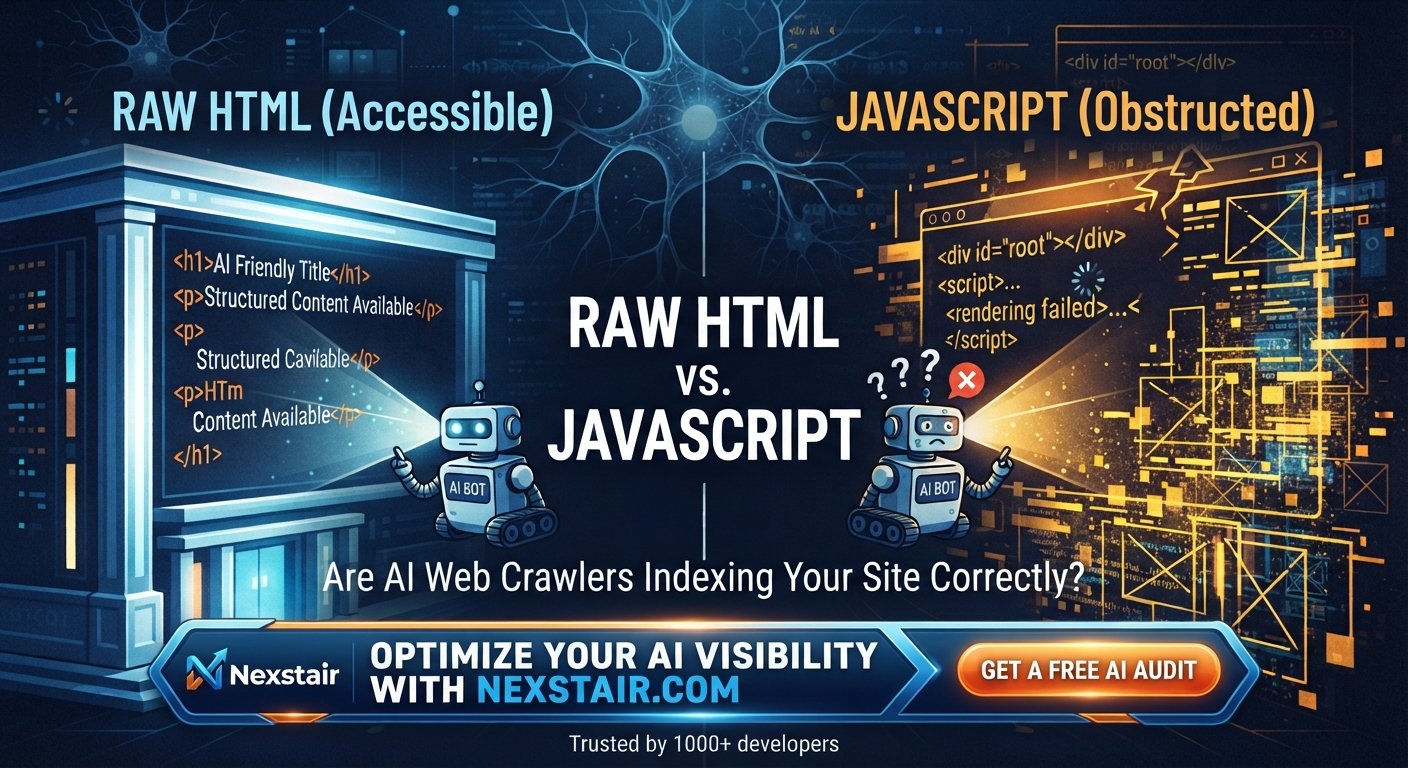
Are AI Web Crawlers Indexing Your Site Correctly?
For years, web developers have relied on JavaScript to power the modern internet, operating under the assumption that search engines...
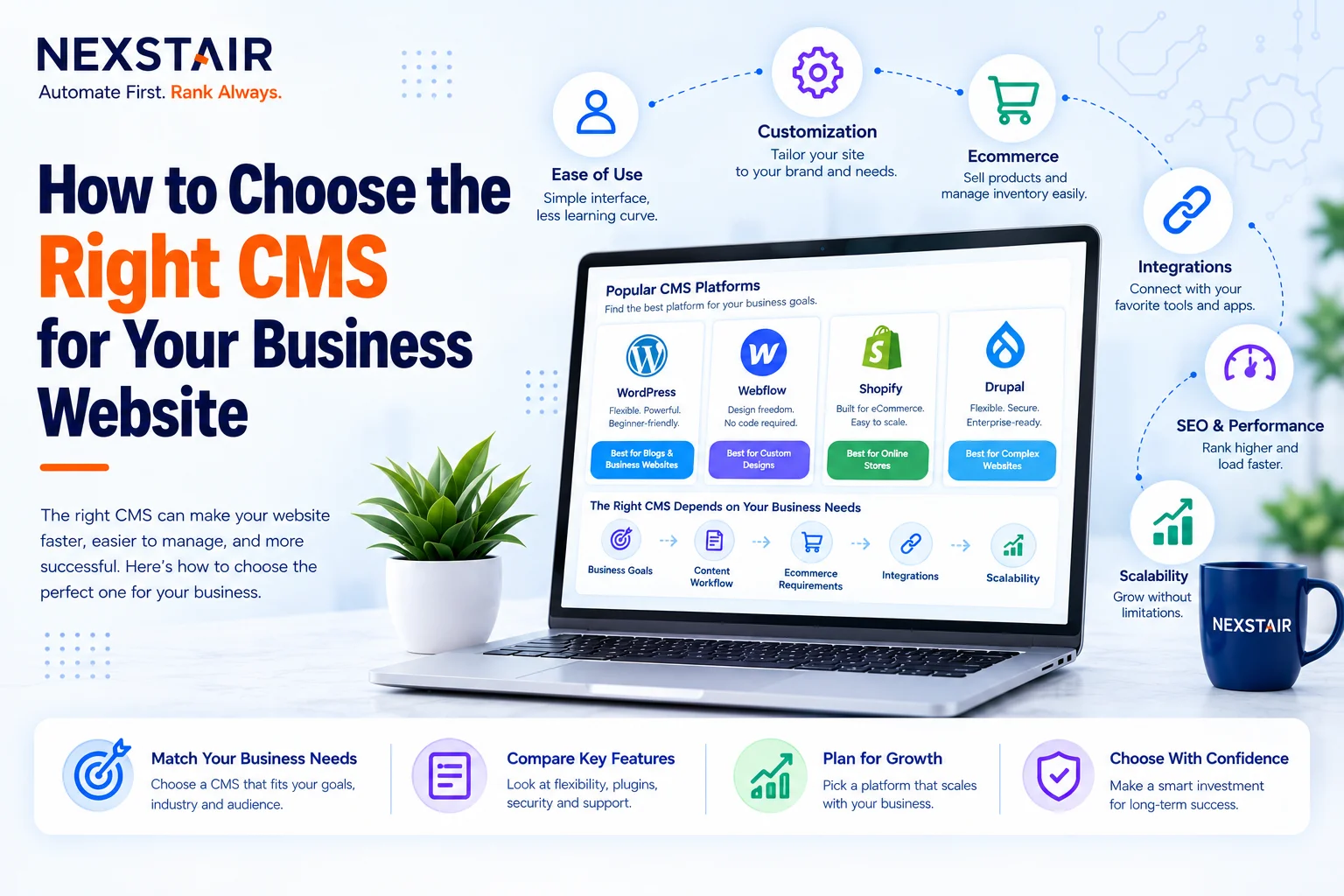
How to Choose the Right CMS for Your Business Website
Choosing a CMS for business use is an architectural decision, not a design decision, even though most business owners approach...

How to Manage Social Media Marketing for Small Business
Learn how to manage social media marketing for small business effectively & proven strategies, planning tips, and tools to grow...
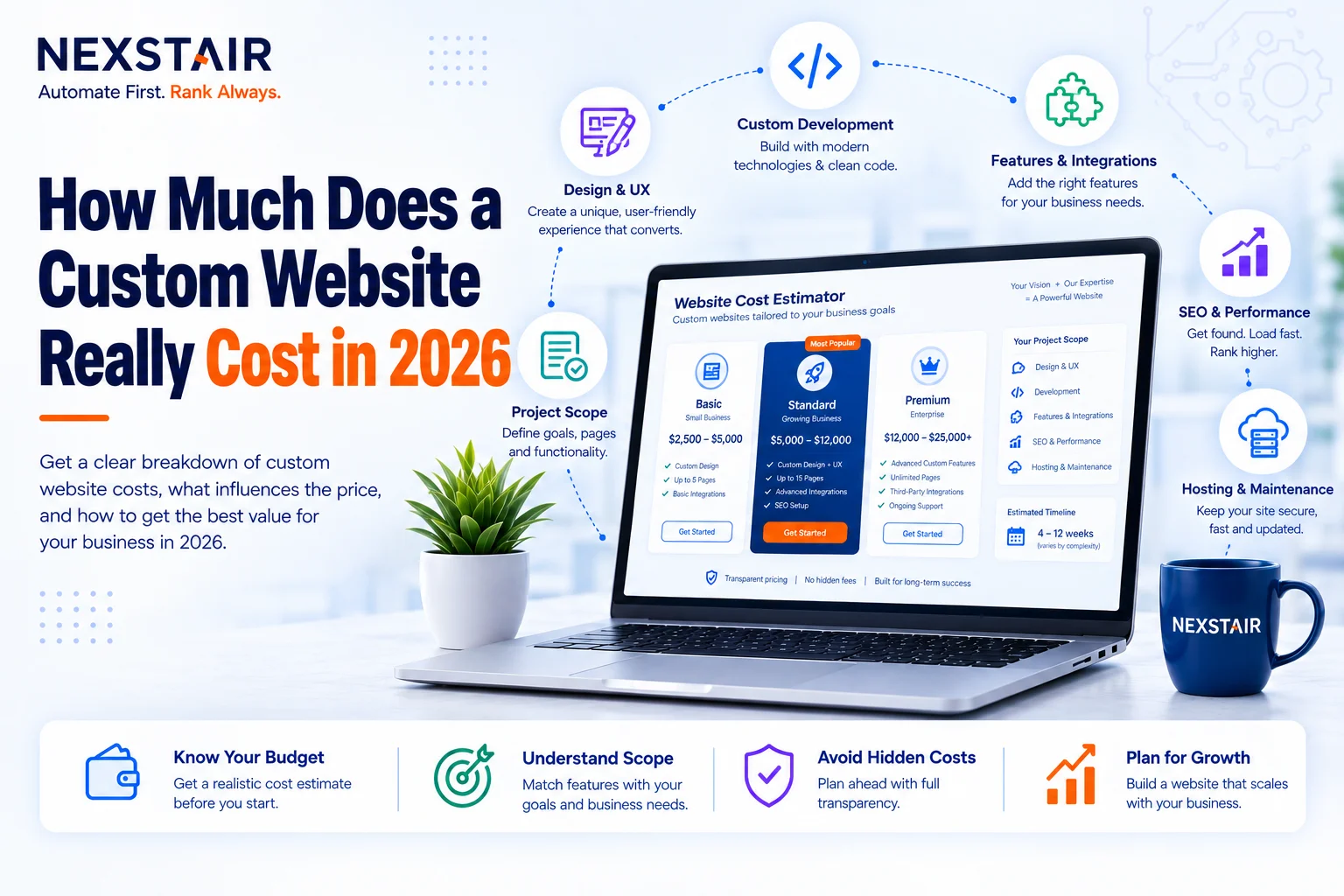
How Much Does a Custom Website Cost in 2026
Ask five agencies what a custom website costs and you’ll get five different numbers, and none of them will be...
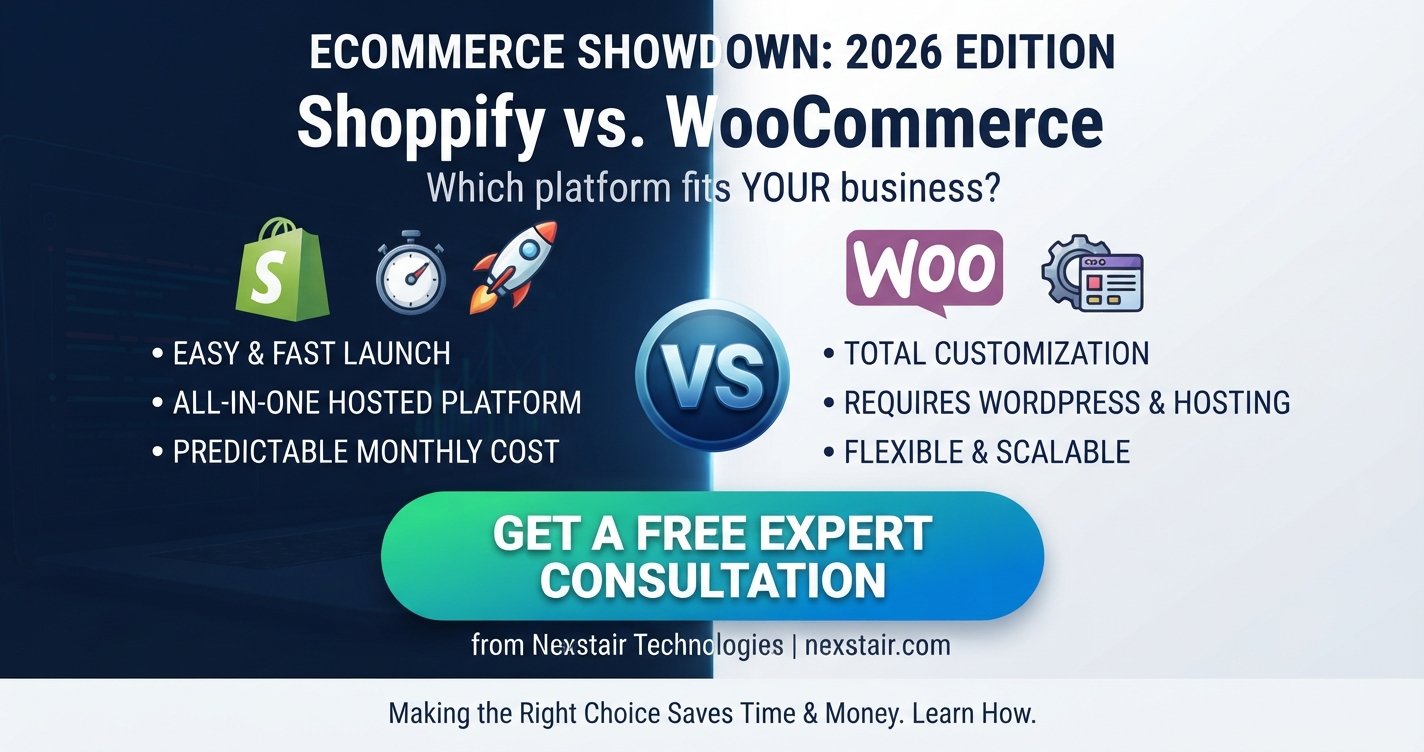
Shopify vs WooCommerce: Choosing the Right Ecommerce Platform
Choosing an ecommerce platform is one of those silent factors that can impact your monthly costs, your developer's pain,...