
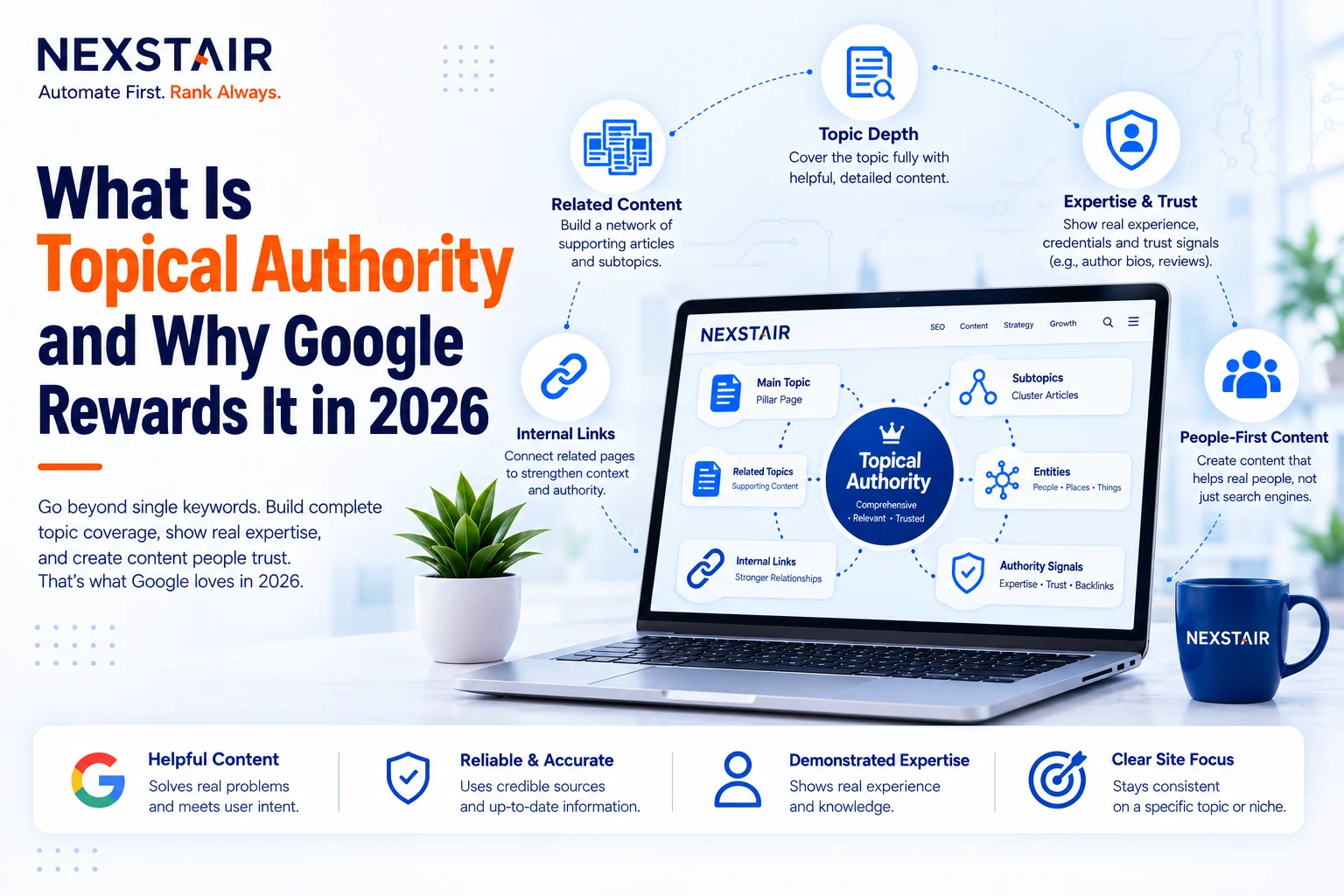
What Is Topical Authority and Why Google Rewards It in 2026
Topical authority is Google’s measure of how comprehensively and credibly a website covers a specific subject area, evaluated across an entire domain rather than one page at a time. Google’s March 2026 Core Update confirmed this shift directly: E-E-A-T signals became a primary ranking factor, and 55% of websites experienced ranking shifts as a result, with sites showing deep topical depth climbing and sites with scattered, thin content falling.
The old model rewarded individual optimized pages. The 2026 model rewards domains. A site with twenty interconnected articles on one subject consistently outranks a site with a single, technically excellent 5,000-word guide on the same subject, because Google now reads the relationships between pages, not just the quality of one.
This article explains what topical authority actually means, how it differs from domain authority, how Google measures it in 2026, why AI-driven search has made it more important than ever, and the concrete steps to build it, including where the decision between an SEO agency and a DIY approach actually matters. It closes with FAQs on timelines, content clusters, and what to prioritize first.
What Topical Authority Means
Topical authority describes how deeply and completely a website covers a subject area, including its core topic, related subtopics, and the follow-up questions users naturally have around it. Google’s own guidelines state that content should provide a substantial, complete, and comprehensive description of the topic, not a surface-level pass at a keyword.
A site earns topical authority by answering the full range of questions connected to a subject, definitions, comparisons, use cases, and edge cases, rather than by publishing one lucky, well-optimized article and stopping. Google’s systems then read that pattern across the whole domain and assign a corresponding level of trust.
Topical Authority vs Domain Authority
Domain authority is a third-party metric based primarily on backlink profile: how many sites link to you and how strong those links are. Topical authority is different. It measures content competence on a specific subject, independent of how many links point at the domain.
A newer site with no significant backlink history can still build strong topical authority by publishing comprehensive, well-structured content on one subject area. A high-authority domain, by contrast, can rank poorly on a topic it barely covers, because Google evaluates subject-matter depth separately from overall site strength.
How Google Measures Topical Authority in 2026
Google evaluates topical authority through several connected signals rather than one formula.
Entity coverage. Google uses entity graphs to identify which subtopics and related concepts belong to a main subject, then evaluates how completely a site covers them, a process closely tied to entity-based SEO rather than traditional exact-match keyword targeting. Missing obvious subtopics signals incomplete expertise.
Content relationships. Google looks at how pages relate to one another: whether they answer follow-up questions, link logically to related content, and form a coherent structure rather than a scattered collection of disconnected posts.
E-E-A-T signals. Author credentials, original data, primary source citations, and consistent subject focus across the site all reinforce that real expertise, not generic content, sits behind the coverage.
Publishing consistency. A domain that published thirty strong articles on a topic years ago and nothing since reads as less authoritative than one actively publishing and updating content on that subject today. Recency signals an active, current expert rather than a dormant archive.
Why Topical Authority Matters More in 2026
Two shifts have made topical authority the dominant content quality signal rather than one factor among many.
The first is AI Overviews and semantic search. Google increasingly favors sites that dominate a subject area comprehensively over sites publishing isolated high-quality articles, because comprehensive coverage is what semantic systems can confidently summarize and trust.
The second is generative engine behavior. AI systems like ChatGPT and Perplexity are trained to cite sources with the clearest, most comprehensive, and most consistently accurate coverage of a topic. A site with real topical depth gets pulled into AI answers repeatedly; a site with one strong article on the subject rarely does. Topical authority has effectively become the shared currency between traditional Google rankings and AI-driven citation behavior.
How to Build Topical Authority
Building topical authority is a structural exercise, not a single publishing push.
Build a topical authority map first. Identify the core subject, then map every significant subtopic connected to it before writing anything, so no major facet of the topic gets left uncovered.
Structure content in clusters. A pillar page defines the core topic broadly, while individual subtopic articles go deep on each connected question. This hub-and-spoke structure is what lets Google read the relationships between pages rather than evaluating each one in isolation.
Link internally with intent. Every cluster article should link back to its pillar page and sideways to related subtopic articles, forming the coherent structure Google’s systems reward. A well-planned internal link architecture is what lets authority actually flow to the pages that need it most, rather than pooling on a handful of pages while the rest of the cluster stays invisible.
Layer in E-E-A-T deliberately. Named authors, original data, and cited sources on every article reinforce that genuine expertise sits behind the coverage, not templated content.
Publish and update consistently. Topical authority compounds. The first cluster articles typically take the longest to gain traction; later articles benefit from the authority already established and rank faster as a result. Sites that let this cadence lapse are also the ones most exposed when a core update hits; knowing how to recover from a Google core update matters far less than not needing to in the first place.
Most businesses don’t have the internal bandwidth to map an entire topic, structure it into clusters, and maintain the ongoing publishing cadence Google now expects. That’s usually the point where a business brings in an AI SEO agency to build and maintain the cluster architecture, entity coverage, and update cycle needed to build topical authority systematically instead of piecemeal.
Common Mistakes That Weaken Topical Authority
Three mistakes consistently undermine an otherwise solid topical authority strategy.
Scattered publishing across unrelated topics. Random articles that don’t connect to a core subject dilute trust rather than building it, since Google can’t read a pattern of expertise across unrelated content.
Missing obvious subtopics. A cluster that skips a commonly searched angle of its subject leaves a gap competitors can fill first, weakening the domain’s claim to comprehensive coverage.
Publishing once and abandoning the topic. A burst of content followed by silence signals a dormant site rather than an active expert, and Google’s systems weigh recency accordingly.
How Long Does It Take to Build Topical Authority
Topical authority typically shows measurable results within three to twelve months, with the effect compounding over time rather than arriving all at once. Early cluster articles generally take the longest to gain traction since there’s no established domain pattern yet for Google to recognize. Later articles in the same cluster tend to rank faster, benefiting from the topical strength the earlier content already built.
Frequently Asked Questions
What is topical authority in simple terms?
Topical authority is how completely and credibly a website covers a specific subject, evaluated across the whole domain rather than judged page by page.
How is topical authority different from domain authority?
Domain authority is based mainly on backlinks, while topical authority is based on content depth and completeness on a specific subject, independent of link volume.
Why did Google’s March 2026 Core Update matter for topical authority?
It confirmed E-E-A-T as a primary ranking factor, and roughly 55% of websites saw ranking shifts, with topically deep sites climbing and thin, scattered sites falling.
How long does it take to build topical authority?
Most sites see measurable results within three to twelve months, with results compounding as more cluster content reinforces the same subject area.
What is a content cluster?
A content cluster is a pillar page paired with multiple subtopic articles that link back to it and to each other, forming the structure Google reads as comprehensive topic coverage.
Does topical authority help with AI search visibility too?
Yes. AI systems like ChatGPT and Perplexity tend to cite sources with the most comprehensive, consistent coverage of a topic, making topical authority relevant to both traditional rankings and AI-generated answers.
Can a new website build topical authority without strong backlinks?
Yes. Topical authority is measured by content completeness, not backlink volume, so a newer site can build it through comprehensive, well-structured coverage of one subject area.
What’s the biggest mistake businesses make with topical authority?
Publishing scattered content across unrelated topics, or publishing a strong cluster once and then going silent, both of which prevent Google from recognizing a consistent pattern of expertise.
Conclusion
Topical authority has replaced isolated keyword targeting as the dominant SEO signal in 2026, driven by Google’s entity-based evaluation and reinforced by how AI systems choose which sources to cite. Building it means mapping a subject’s full range of subtopics, structuring content into linked clusters around a pillar page, reinforcing every article with genuine E-E-A-T signals, and publishing consistently rather than in a single burst. The payoff compounds: early cluster content takes longest to rank, but each additional piece makes the next one faster to gain visibility, in both traditional search results and the AI answers increasingly shaping how people find information.
Recent Posts
Related Posts
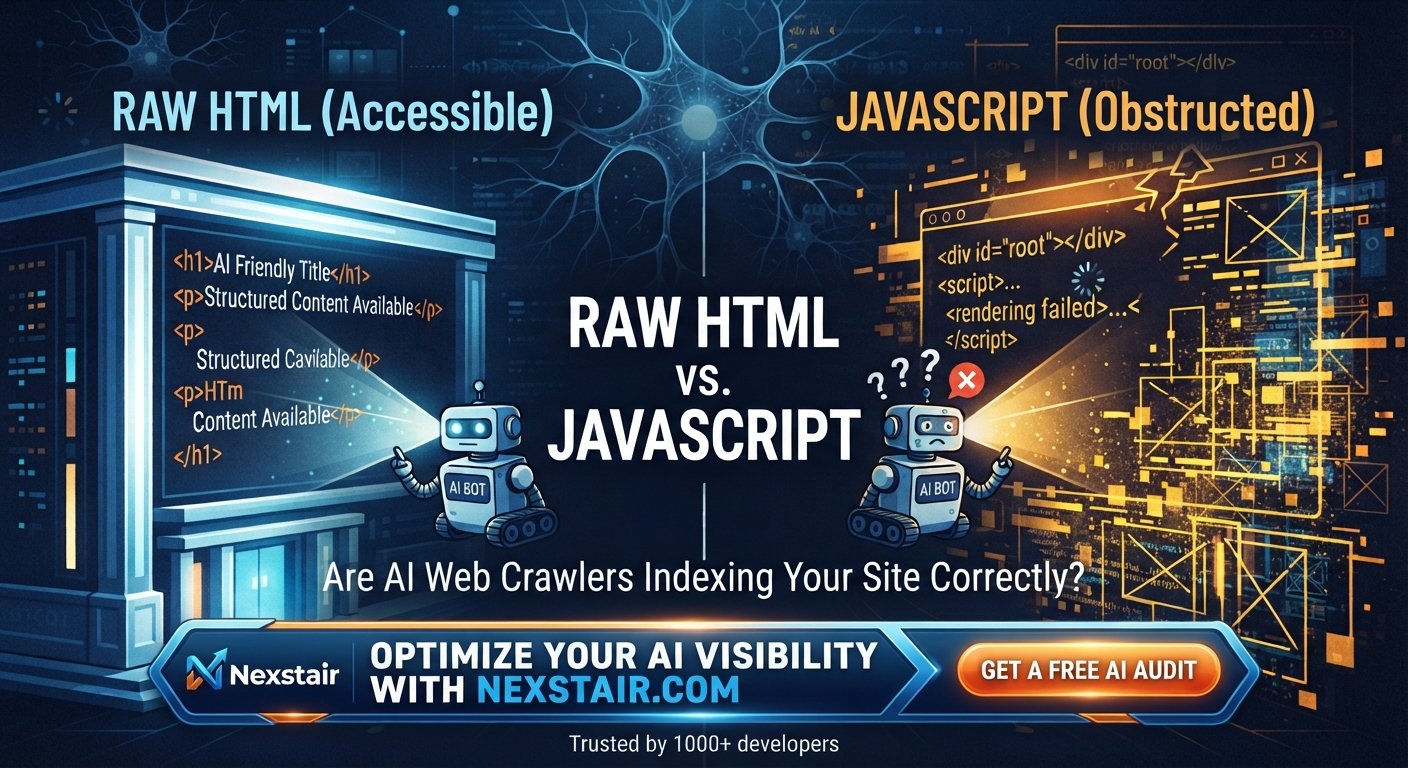
Are AI Web Crawlers Indexing Your Site Correctly?
For years, web developers have relied on JavaScript to power the modern internet, operating under the assumption that search engines...
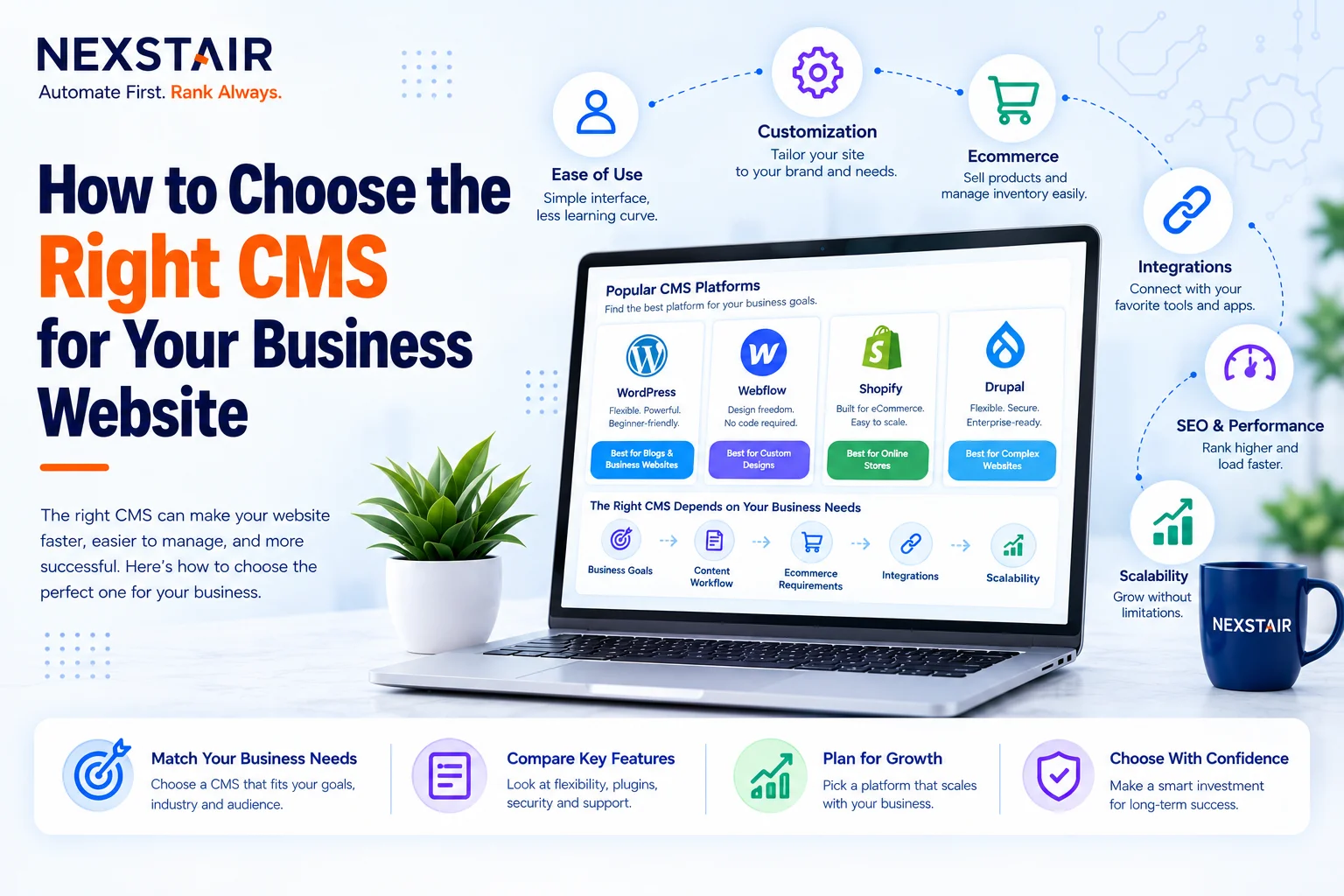
How to Choose the Right CMS for Your Business Website
Choosing a CMS for business use is an architectural decision, not a design decision, even though most business owners approach...

How to Manage Social Media Marketing for Small Business
Learn how to manage social media marketing for small business effectively & proven strategies, planning tips, and tools to grow...

How Much Does a Custom Website Cost in 2026
Ask five agencies what a custom website costs and you’ll get five different numbers, and none of them will be...

Shopify vs WooCommerce: Choosing the Right Ecommerce Platform
Choosing an ecommerce platform is one of those silent factors that can impact your monthly costs, your developer's pain,...