
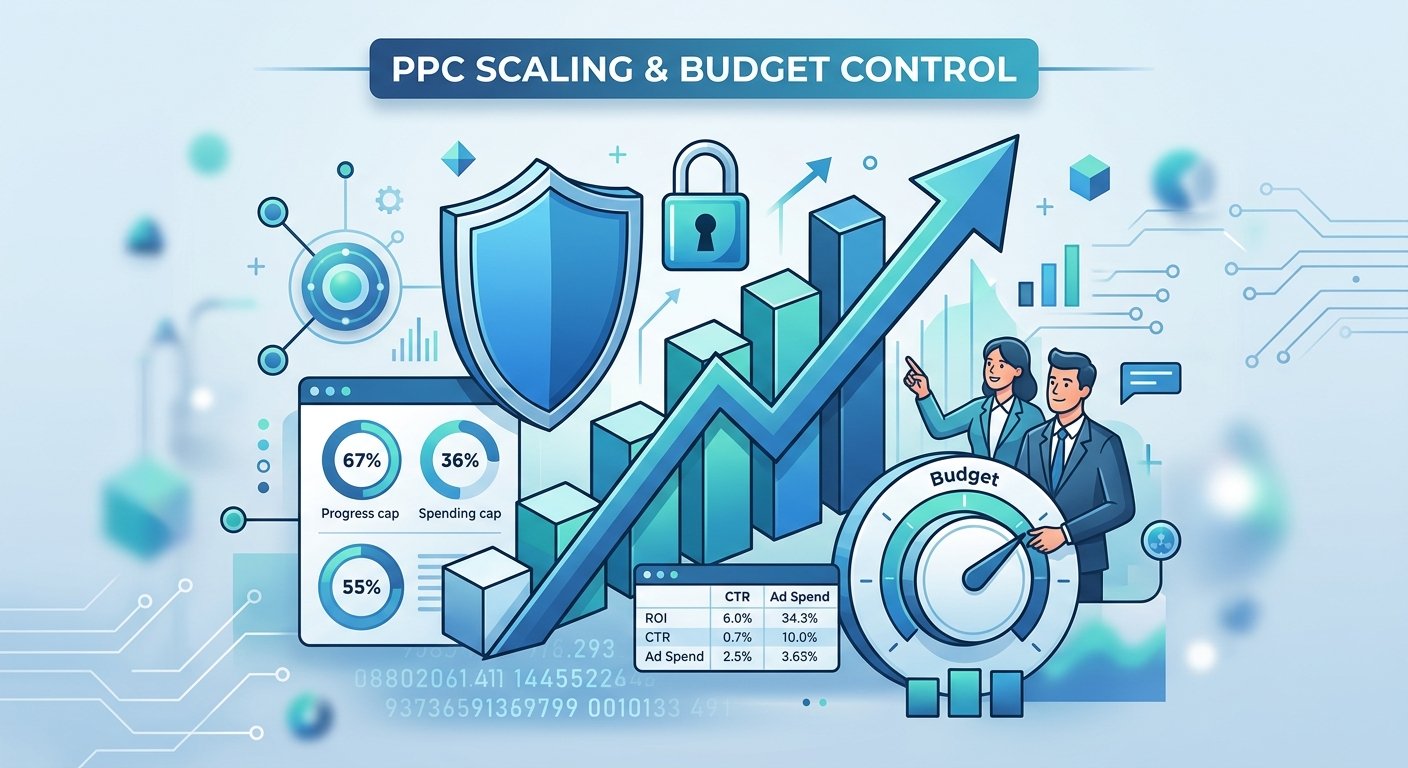
Scale Your PPC Campaign Without Losing Budget
Scale your PPC campaign presents one of the most persistent dilemmas in digital marketing. When budgets increase, ad spend can quickly outpace return on investment if automated bidding systems capture low-quality clicks, inflate acquisition costs, or exhaust funds on broad-match search terms.
Automation and smart bidding algorithms offer unmatched speed and efficiency, but they require strict operational parameters. Without careful management, automated campaigns like Google Performance Max can allocate budgets toward non-converting placement networks or cheap, low-intent traffic.
At Nexstair Technologies, we build data-driven PPC strategies designed to scale ad spend smoothly while maintaining strict cost control. Implementing specific technical guardrails allows businesses to expand reach without wasting budget.
The Hidden Risks of Rapid Scaling
Scaling your PPC campaign involves more than simply raising daily budget caps. Pushing higher spend through an unoptimized campaign structure introduces several immediate operational risks:
- Algorithmic Disruption: Sudden, dramatic budget increases (such as doubling ad spend overnight) can force Smart Bidding models back into a volatile learning phase, causing Cost Per Acquisition (CPA) to spike.
- Brand Cannibalization: Automated campaign types often inflate performance metrics by bidding heavily on brand-name keywords, taking credit for conversions that organic search would have captured naturally.
- Low-Intent Query Expansion: Broad-match bidding and automated asset group matching can display ads for conversational search queries that lack commercial intent.
- Conversion Data Corruption: Optimizing bids for unverified form fills rather than validated offline sales leads leads algorithms to bid aggressively on low-value traffic.
5 Practical Steps to Scale Your PPC Campaign Responsibly
1. Implement Incremental Budget Adjustments
To prevent algorithms from resetting their machine learning models, budget adjustments should be applied gradually. Increasing daily budgets by 10% to 20% every three to five days gives automated bidding models time to locate new pockets of converting inventory while maintaining target return thresholds.
2. Enforce Strict Brand Exclusions & Negative Lists
Automated campaigns often default to bidding on easy targets like existing brand traffic to achieve targets.
Protect core search budgets by configuring explicit campaign guardrails:
- Apply account-level negative keyword lists to block non-commercial search themes.
- Enable brand exclusions on Performance Max campaigns to keep branded search traffic within dedicated Search campaigns.
- Audit search term insights weekly to flag negative keyword candidates before spend accumulates.
3. Connect First-Party Data & CRM Conversions
Machine learning models respond directly to the data signals they receive. If campaigns optimize for top-of-funnel actions like form submissions, the platform prioritizes volume over value.
Integrating Customer Relationship Management (CRM) platforms directly into ad accounts via Offline Conversion Imports (OCI) feeds actual business results back to the bidding algorithm.
| Optimization Layer | Data Inputs Provided | Bidding Behavior |
| Standard Tracking | Form Fills, Button Clicks, Page Views | Bids aggressively for high-volume, low-cost leads |
| Advanced CRM Integration | Qualified Opportunities, Closed Deals, LTV | Bids selectively for high-intent, profitable prospects |
4. Scale Horizontally Across Channels
Vertical scaling (adding more budget to a single existing campaign) eventually hits a point of diminishing returns. Horizontal scaling distributes risk across diverse campaign formats and audiences:
- Demand Gen Campaigns: Target prospective clients early in the buying journey on YouTube, Discover, and Gmail using high-performing short-form video and visual assets.
- Exact-Match Core Search: Maintain targeted exact-match search campaigns for high-converting keywords to secure impression share for core services.
- Audience Segment Testing: Test new in-market and custom intent audience signals in separate campaign environments to isolate variable performance.
5. Transition to Profit-Focused Bid Strategies
Traditional Target CPA (Cost Per Acquisition) bidding treats all conversions equally. Shifting toward Target ROAS (Return on Ad Spend) or Margin-Based Bidding allows bid algorithms to dynamically adjust bids according to actual potential order value or lead quality. Setting precise value rules based on audience characteristics or geographic locations ensures that higher-value opportunities receive competitive bids, while low-margin segments stay within baseline limits.
Maintain Total Precision Over Paid Media Growth
Scaling a PPC budget successfully requires balancing automated platform efficiency with human oversight. By structuring clean campaign architectures, feeding accurate first-party conversion data, and establishing strict operational guardrails, brands can achieve steady acquisition growth while protecting profit margins.
Ready to Scale Your PPC Campaigns Without Sacrificing Margins?
Managing ad spend effectively during rapid expansion requires technical precision, proactive account management, and reliable conversion tracking. At Nexstair Technologies, our performance marketing specialists design custom paid media frameworks that keep your budget focused strictly on high-intent, high-value prospects.
We help you establish strict bidding guardrails, integrate your CRM for clean conversion signals, and expand reach across high-performing channels. Schedule a free account audit with Nexstair Technologies today to uncover immediate opportunities to optimize your ad spend and scale predictably.
Final Word | Scale Your PPC Campaign
Scaling your PPC campaign doesn’t have to mean sacrificing profitability or handing total control over to automated platform algorithms. By implementing gradual budget adjustments, connecting your CRM for accurate offline conversion tracking, and enforcing strict brand exclusions, you can expand your market reach while maintaining full command over your marketing spend. Sustainable ad growth relies on the right balance between automated machine efficiency and proactive, human-led strategy. At Nexstair Technologies, we specialize in building transparent, ROI-driven paid search structures that scale seamlessly alongside your business goals.
FAQs
1. How much should I increase my PPC budget when scaling?
It is best to raise daily ad budgets gradually by 10% to 20% every three to five days. Sudden budget surges can disrupt machine learning algorithms and force campaigns back into a volatile learning phase, leading to temporary spikes in cost per acquisition (CPA).
2. How do I prevent Performance Max from wasting ad spend?
You can control Performance Max campaigns by setting up account-level negative keyword lists, applying brand exclusions so it doesn’t cannibalize organic search, and turning on URL expansion rules to restrict ads to relevant landing pages.
3. What is the difference between vertical and horizontal PPC scaling?
Vertical scaling involves increasing the budget on existing, high-performing keywords and campaigns. Horizontal scaling expands your reach by targeting new audience segments, testing fresh ad channels (like YouTube or Demand Gen), or expanding into geographic sub-markets.
4. Why is offline conversion tracking (OCT) important for budget control?
Offline conversion tracking feeds your CRM sales data back into ad platforms like Google Ads. Instead of optimizing for low-quality form fills or spam, the algorithms learn to target high-intent prospects that turn into actual paying customers.
5. Should I use Target CPA or Target ROAS when scaling my ad spend?
If your products or services have varying deal sizes, Target ROAS (or value-based bidding) is ideal because it bids aggressively on high-value leads. Target CPA works best for businesses with uniform pricing where every conversion holds the same monetary value.
Recent Posts
Related Posts
Scale Your PPC Campaign Without Losing Budget
Scale your PPC campaign presents one of the most persistent dilemmas in digital marketing. When budgets increase, ad spend can...

Social Media Strategy for Small Business in 2026: Platforms, Budgets and AI Search Visibility
A social media strategy is a written plan that ties one business goal to a defined audience, two or three...
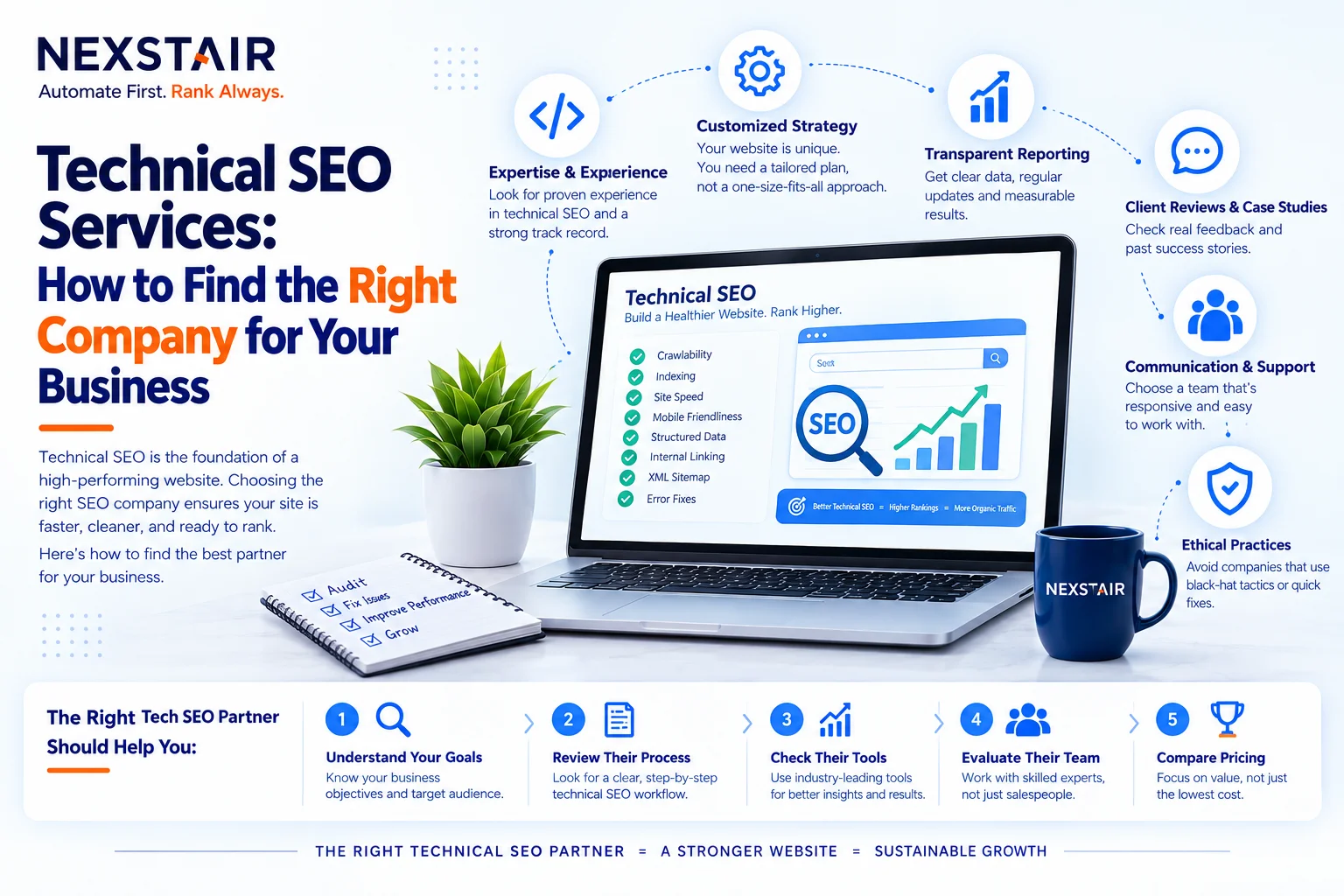
Technical SEO Services: How to Find the Right Company for Your Business
Technical SEO services (also called technical search engine optimization) are the fixes and checks that let search engines crawl, render,...
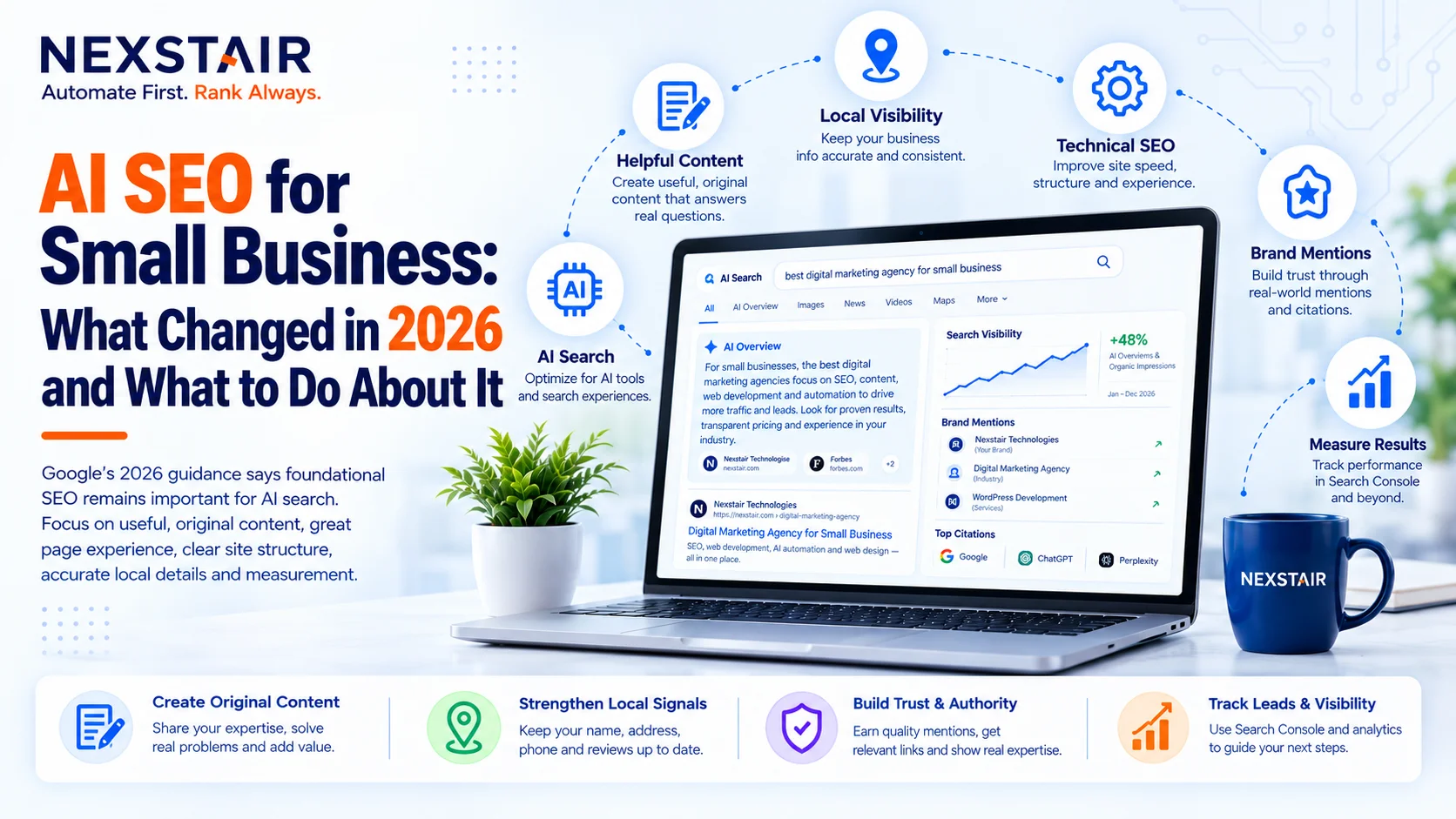
AI SEO for Small Business: What Changed in 2026 and What to Do About It
AI SEO for small business is no longer a future trend to watch. It is the environment every local shop,...
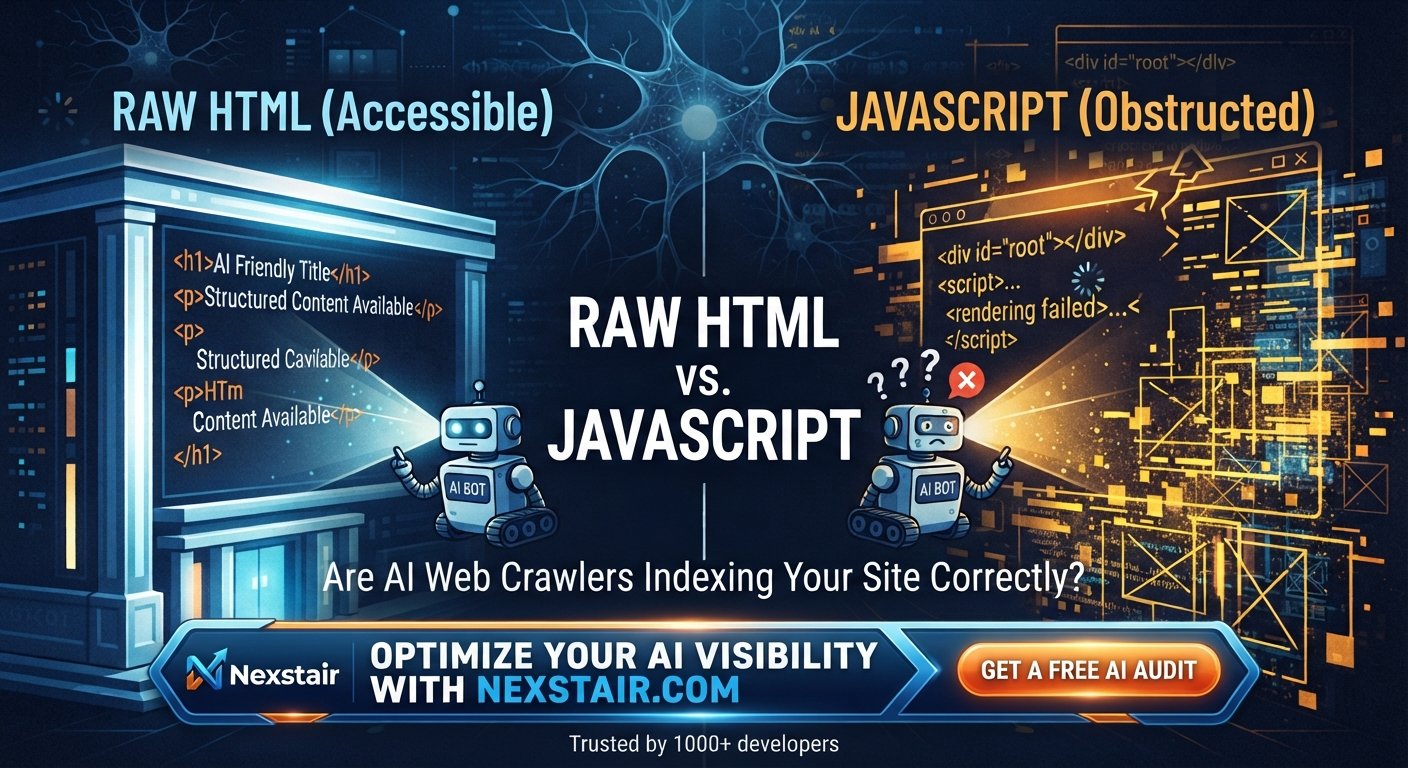
Are AI Web Crawlers Indexing Your Site Correctly?
For years, web developers have relied on JavaScript to power the modern internet, operating under the assumption that search engines...