
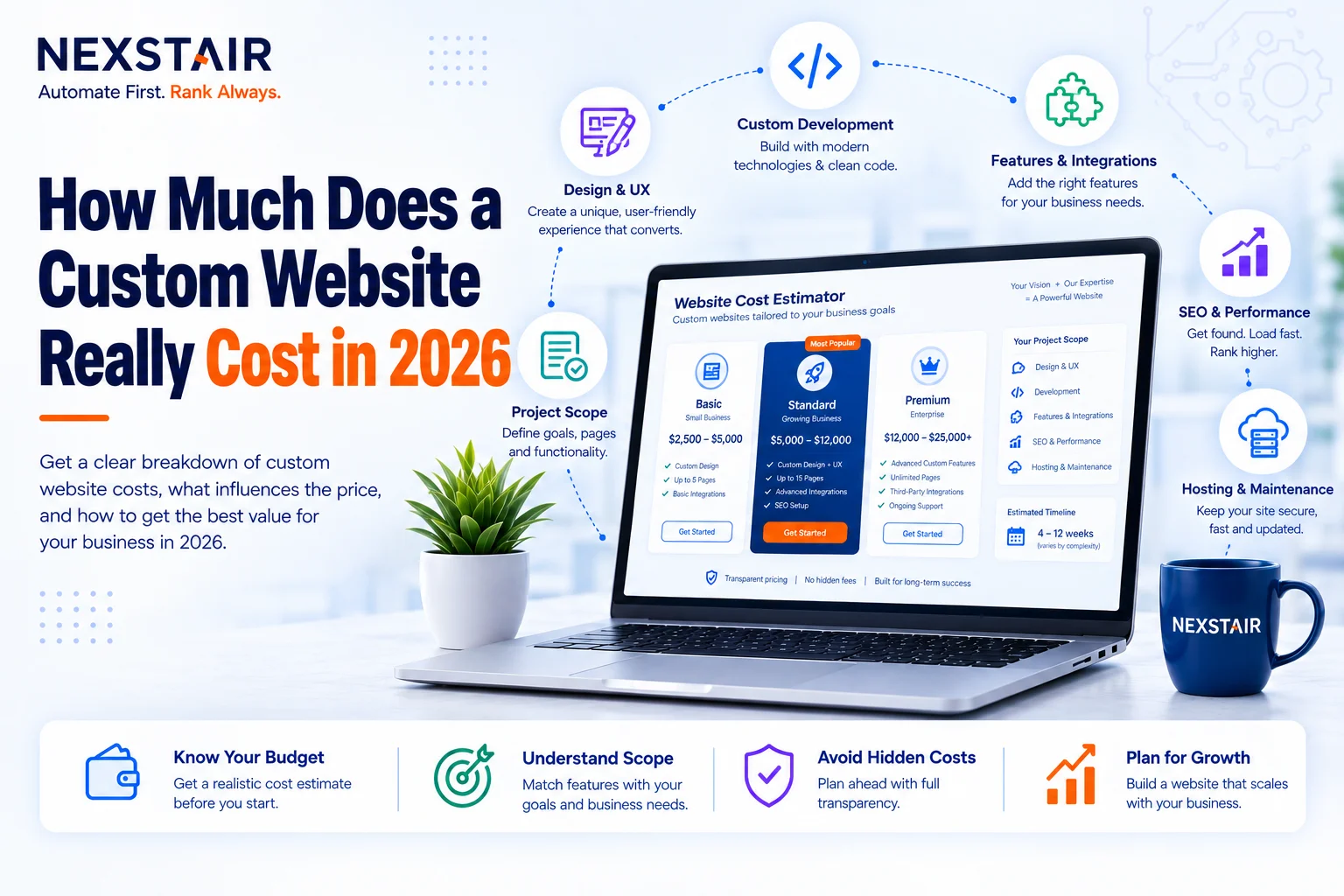
How Much Does a Custom Website Cost in 2026
Ask five agencies what a custom website costs and you’ll get five different numbers, and none of them will be wrong. A one-page landing site and a custom web application with user dashboards both fall under “custom website,” but they sit tens of thousands of dollars apart. That range is exactly why so many business owners end up either overpaying for a template dressed up as custom work, or underpaying for something that breaks the moment real traffic hits it.
This guide breaks down real 2026 pricing by project type, what actually drives the cost up or down, and how to tell whether a quote reflects genuine custom work or a template with a markup.
The Quick Answer
A custom website in 2026 typically costs between $3,000 and $50,000, with most small and mid-size business projects landing between $8,000 and $30,000. Enterprise platforms, custom web applications, and complex ecommerce builds can run from $50,000 to $200,000 or more. Where your project falls in that range depends on page count, design complexity, custom functionality, and which platform or framework the build uses.
Custom Website Cost by Project Type
One-Page and Small Landing Sites
A single-page custom site, often used for product launches or lead generation, typically runs $1,000 to $3,000. Cost scales with conversion complexity: a page with custom animations, integrated forms, and A/B tested layouts sits at the higher end of that range.
Small Business Websites
Most small business custom builds fall between $3,000 and $10,000. Nexstair prices its affordable small business packages starting around $1,500, with bespoke professional builds starting near $3,500, which sits at the accessible end of the industry range while still delivering genuine custom design rather than a stock theme.
Mid-Sized Business Websites
A 10 to 25 page business website with custom layouts, system integrations, and a blog typically costs $8,000 to $20,000, with a build timeline of 6 to 10 weeks. This tier covers most established companies that need custom design, clear SEO structure, and functioning lead capture rather than a brochure site.
Ecommerce Websites
Ecommerce pricing splits sharply by build type:
- Template-based (Shopify theme plus setup): $3,000 to $10,000
- Semi-custom (theme adapted with developer work): $10,000 to $30,000
- Fully custom (built from scratch): $40,000 to $150,000+
The difference usually comes down to catalog size, payment and shipping integrations, and how much of the shopping experience needs to be unique rather than adjusted from an existing theme.
Custom Web Applications and Enterprise Platforms
Projects involving user accounts, custom dashboards, APIs, or platform-level functionality start around $20,000 and commonly reach $50,000 to $80,000, with true enterprise builds running well past $100,000. These projects also take longer, typically 8 to 16 weeks for mid-complexity applications and up to a year for large-scale platforms.
What Actually Drives the Cost
Design: Template, Semi-Custom, or Fully Custom
| Approach | Typical Cost | Best For |
| Template plus customization | $500–$5,000 | Most small and mid-size businesses |
| Semi-custom on an existing framework | $5,000–$15,000 | Brands that need real differentiation |
| Fully custom design | $15,000–$30,000+ | Enterprise or design-led brands |
A template gets your business online quickly and cheaply, but every visual decision is already made for you within the theme’s limits. Semi-custom work takes a proven framework and reshapes it around your brand, which is where most mid-size businesses find the best value. Fully custom design starts from a blank canvas, which costs more but removes every constraint a pre-built theme would impose.
Functionality and Integrations
Every feature beyond a static page adds development time. A booking system adds roughly $1,000, while custom dashboards can add $20,000 or more. API integrations commonly add $3,000 to $15,000 depending on how many systems need to talk to each other, and user login systems typically add $5,000 to $20,000 depending on the authentication complexity required.
Platform and Tech Stack
Building on WordPress, Webflow, or Shopify keeps costs in the $1,000 to $5,000 range for the platform layer itself, since these systems handle much of the underlying infrastructure. A fully custom stack built on something like Laravel or React starts closer to $10,000 for the platform layer alone, because there’s no existing framework absorbing that development time.
Who Builds It
| Who Builds It | Typical Rate | Best Fit |
| Freelancer | $50–$150/hr | Defined scope, cost-conscious projects |
| Boutique agency | $75–$200/hr | Growth-stage companies needing full-service delivery |
| Large agency | $150–$300/hr | Enterprise projects with complex requirements |
Freelancers offer the lowest hourly rate but carry capacity limits and single points of failure if something goes wrong mid-project. Agencies cost more per hour but bring a full team, so design, development, and testing happen in parallel rather than sequentially.
Custom Website Cost vs. Ongoing Costs
The build price is only the first bill. Ongoing costs matter just as much when budgeting realistically:
- Domain registration: $10 to $25 per year for a standard domain
- Hosting: $24 to $600 per year depending on traffic and platform
- Maintenance: $5,000 to $125,500 annually for enterprise platforms, far less for small business sites
- Content updates: Varies widely depending on whether updates happen in-house or through the agency
A website quoted at $8,000 with no mention of hosting, maintenance, or update costs isn’t actually an $8,000 website once the first year of operation is factored in.
Template vs. Custom: Is Custom Actually Worth It?
Roughly 80 percent of small businesses don’t strictly need a fully custom build. A premium template in the $1,500 to $3,000 range, customized thoughtfully, can cover the needs of a straightforward service business or local brand without the added cost of custom development.
Custom becomes worth the investment when your business has functionality a template can’t replicate: a booking system tied to internal scheduling, a product catalog with unusual filtering needs, an integration with a proprietary CRM, or a brand identity distinct enough that template constraints would visibly compromise it. The test isn’t whether custom sounds more professional. It’s whether a template can actually do what your business needs without expensive workarounds.
Red Flags That Signal Overpriced or Underdelivered Custom Work
A few warning signs are worth checking before signing any contract:
- A quote with no breakdown. A single lump-sum number without itemized design, development, and integration costs makes it hard to know what you’re actually paying for.
- “Custom” pricing that matches template pricing. If a quote for full custom design lands in the $500 to $1,500 range typical of templates, the deliverable is very likely a reskinned theme, not custom work.
- No mention of post-launch support. A website that breaks or slows down after launch, with no clear support plan, often costs more in emergency fixes than it saved upfront.
- Vague timelines. Custom builds have predictable phase timelines. A quote with no defined weeks-to-launch structure is harder to hold accountable.
Hidden Costs Businesses Often Miss
A handful of costs tend to surface only after a project is already underway, and budgeting for them upfront avoids unpleasant surprises later.
Content creation is the most commonly overlooked line item. Who writes the copy for each page, sources or shoots the photography, and edits product descriptions? Some quotes bundle this in, others don’t, and content work can add several thousand dollars if it’s handled separately.
Third-party licensing for premium plugins, fonts, or stock assets sometimes gets billed as a pass-through cost rather than folded into the main quote. This is usually modest, but it adds up on projects with heavy functionality requirements.
Revision rounds beyond the agreed scope are another common source of budget creep. Most contracts specify a set number of revision rounds; extra rounds beyond that get billed hourly, which can meaningfully change a project’s final cost if feedback cycles run long.
Migration costs apply specifically to redesigns rather than new builds. Moving existing content, preserving search rankings through proper redirects, and testing that nothing breaks during the switch all take time that a from-scratch build doesn’t require.
None of these costs are unreasonable on their own. The problem is when they’re absent from an initial quote and surface as change orders mid-project, which is why asking for a full scope breakdown before signing anything protects the budget far better than negotiating price alone.
How to Budget for a Custom Website Project
Start by defining what “custom” actually needs to mean for your business rather than assuming the most expensive tier is automatically the right one. A clear scope, honest conversations about which features are genuinely necessary versus nice-to-have, and a written breakdown of design, development, and ongoing costs will get you a far more accurate number than a single ballpark figure from a sales call.
Nexstair’s process starts with research and discovery before any design work begins, which keeps the eventual quote tied to real project needs instead of a generic package. Whether the right fit is an affordable small business build starting around $1,500 or a fully bespoke project, getting pricing scoped against your actual requirements, rather than an industry average, is what keeps a custom website project on budget from the first invoice to launch.
Frequently Asked Questions
How much does a custom website cost on average in 2026?
A custom website typically costs between $3,000 and $50,000, with most small and mid-size business projects landing between $8,000 and $30,000. Enterprise platforms and complex custom web applications can run from $50,000 to $200,000 or more depending on scope.
Is a custom website worth the extra cost compared to a template?
A custom website is worth the extra cost when your business needs functionality or branding a template genuinely can’t deliver, such as complex integrations, unique catalog structures, or a highly differentiated visual identity. For straightforward service businesses, a well-customized premium template often covers the need at a fraction of the cost.
How long does it take to build a custom website?
Most custom business websites take 6 to 10 weeks to design and launch, while custom web applications with dashboards or user accounts typically take 8 to 16 weeks, and enterprise platforms can take up to a year. Timelines shift based on how many rounds of revision and how much custom functionality the project includes.
What’s included in a typical custom website quote?
A complete custom website quote should include UI/UX design, development, responsive testing, basic SEO setup, and a defined number of revision rounds, with hosting and ongoing maintenance usually quoted separately. Always ask what happens after launch, since post-launch support terms vary significantly between vendors.
Do custom websites cost more to maintain than template websites?
Custom websites can cost more to maintain than templates because updates sometimes require a developer rather than a simple page builder, though well-built custom sites are not inherently harder to maintain if the code is clean and documented. Annual maintenance for small business sites is typically modest, while enterprise custom platforms can run into five figures per year.
The Bottom Line
There’s no single correct price for a custom website, only a right price for your specific scope. A $3,000 small business site and a $150,000 custom web application are both legitimately “custom,” they’re just solving very different problems. The most reliable way to budget accurately is to get a scoped quote based on your actual functionality needs rather than anchoring to an industry average, and to ask directly what’s included before comparing any two numbers side by side.
Recent Posts
Related Posts
How Much Does a Custom Website Cost in 2026
Ask five agencies what a custom website costs and you’ll get five different numbers, and none of them will be...
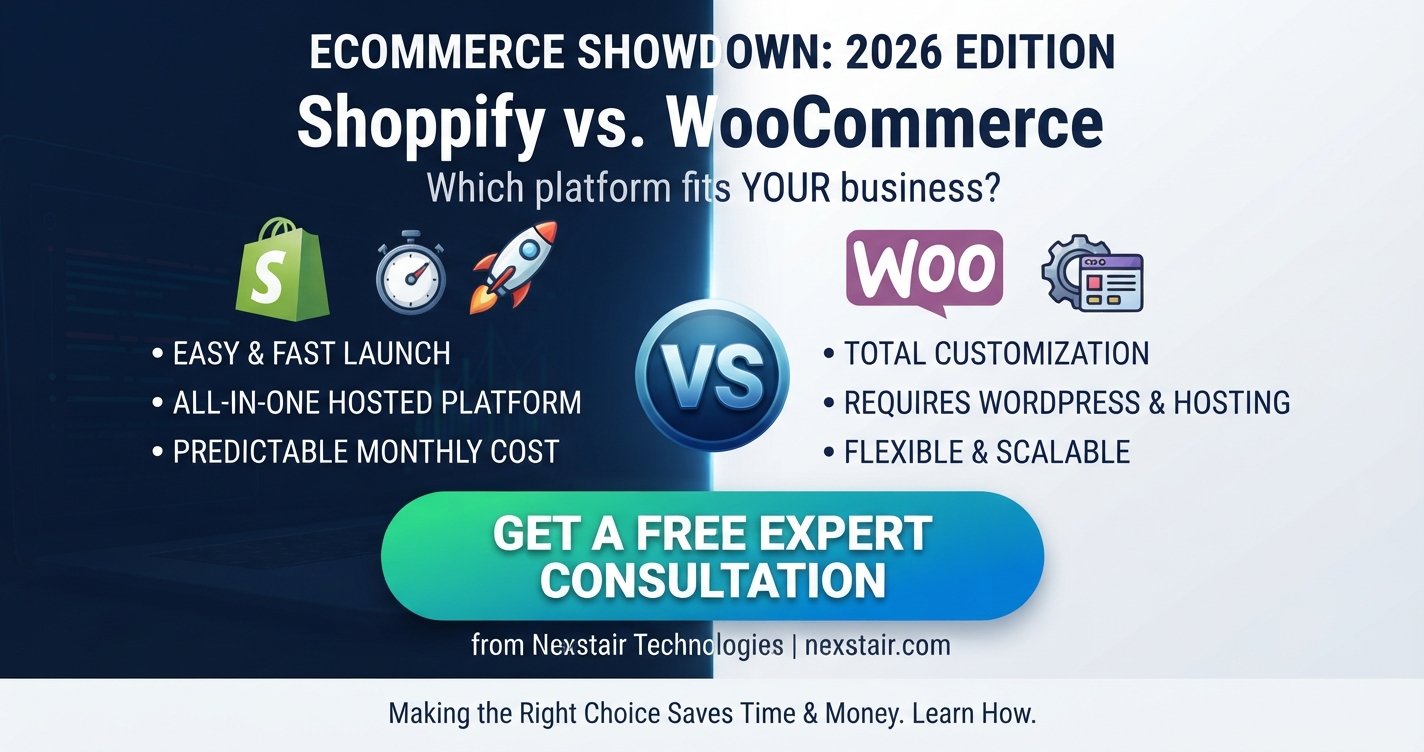
Shopify vs WooCommerce: Choosing the Right Ecommerce Platform
Choosing an ecommerce platform is one of those silent factors that can impact your monthly costs, your developer's pain,...
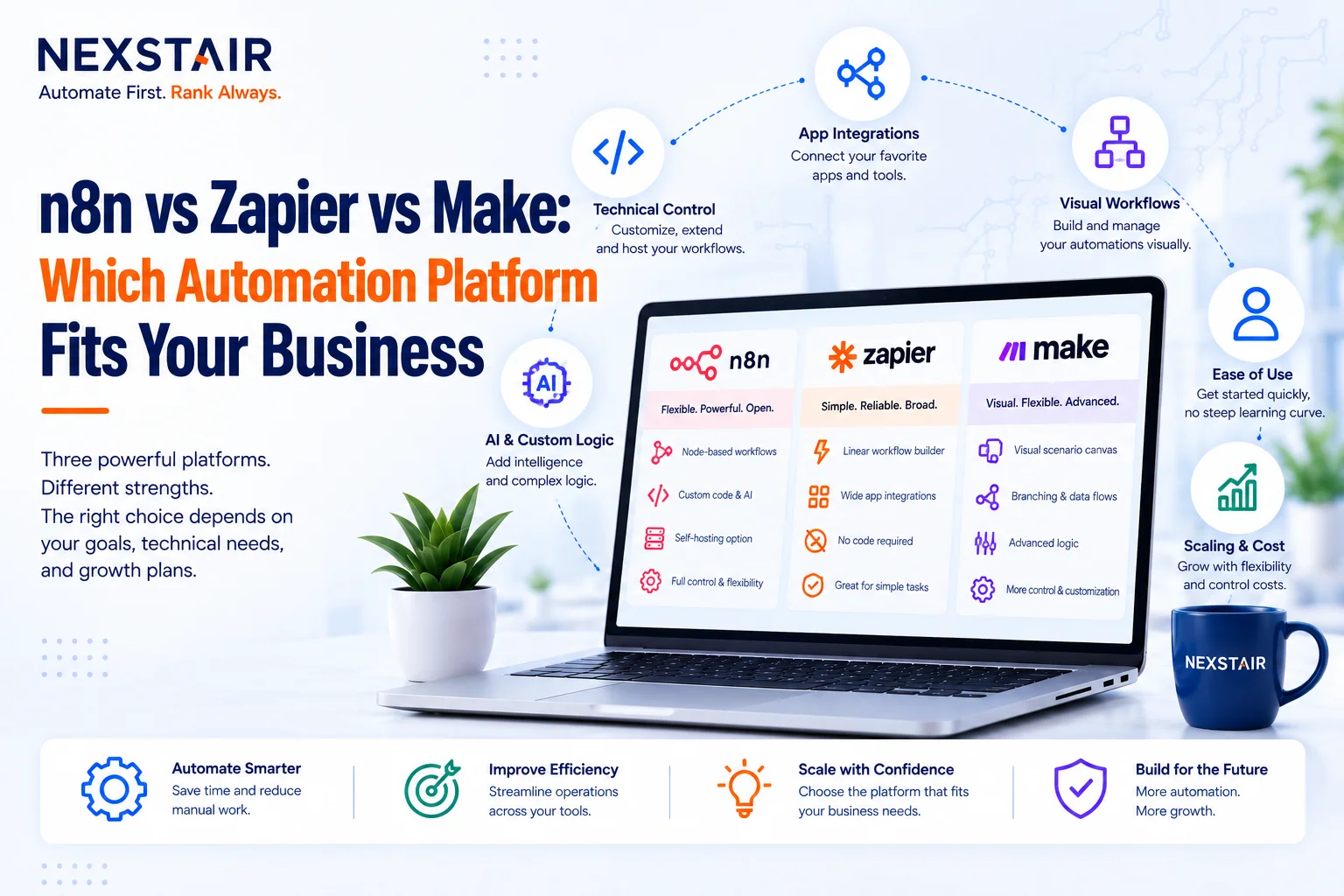
n8n vs Zapier vs Make: Which Automation Platform Fits Your Business
n8n vs Zapier is the comparison most growing businesses eventually run, usually twice: once when they pick a platform quickly,...
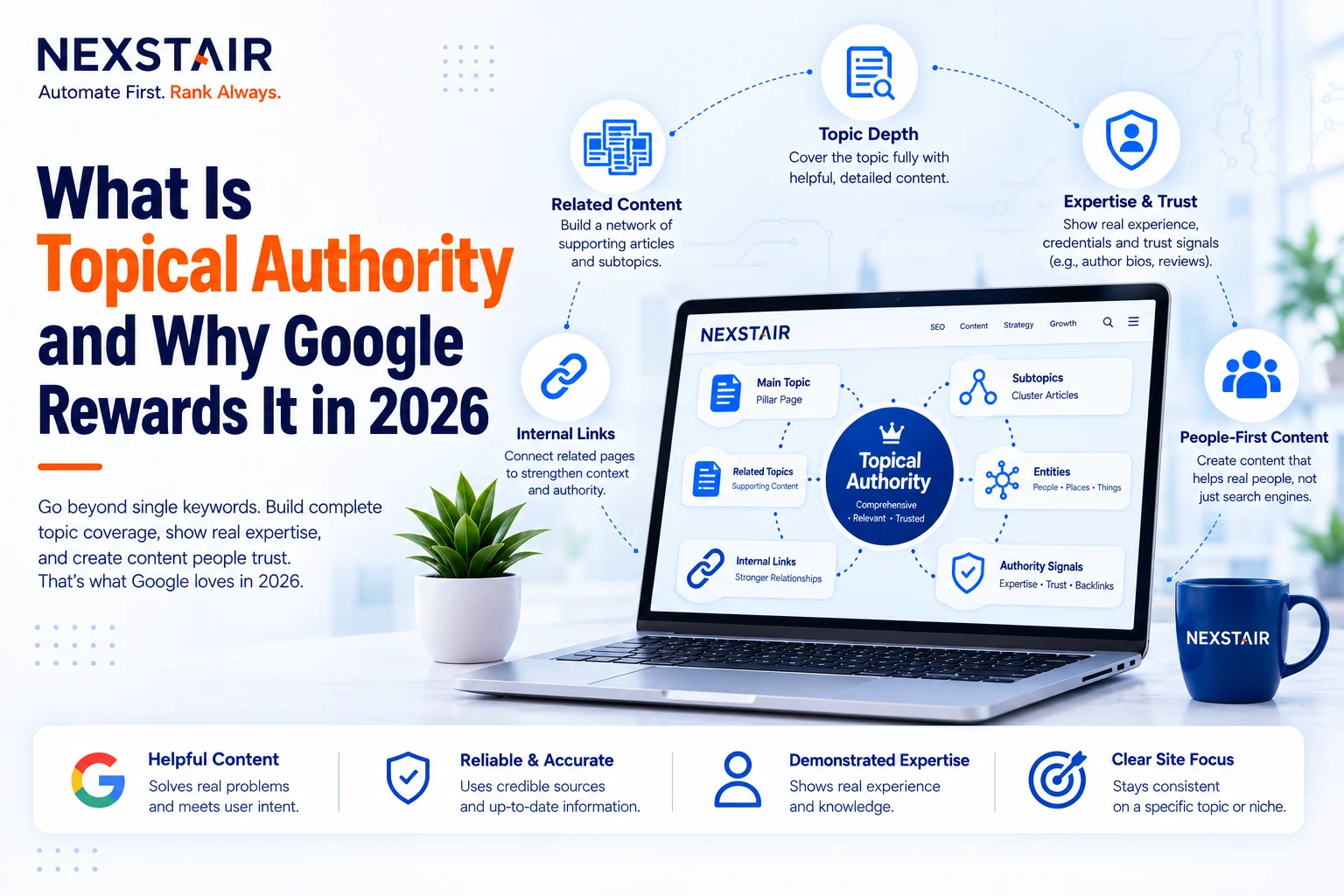
What Is Topical Authority and Why Google Rewards It in 2026
Topical authority is Google's measure of how comprehensively and credibly a website covers a specific subject area, evaluated across an...

What is E-E-A-T: How Google Judges Trust and Expertise
You have probably seen the acronym everywhere: E-E-A-T. Every SEO article mentions it, every agency pitch leans on it, and...