
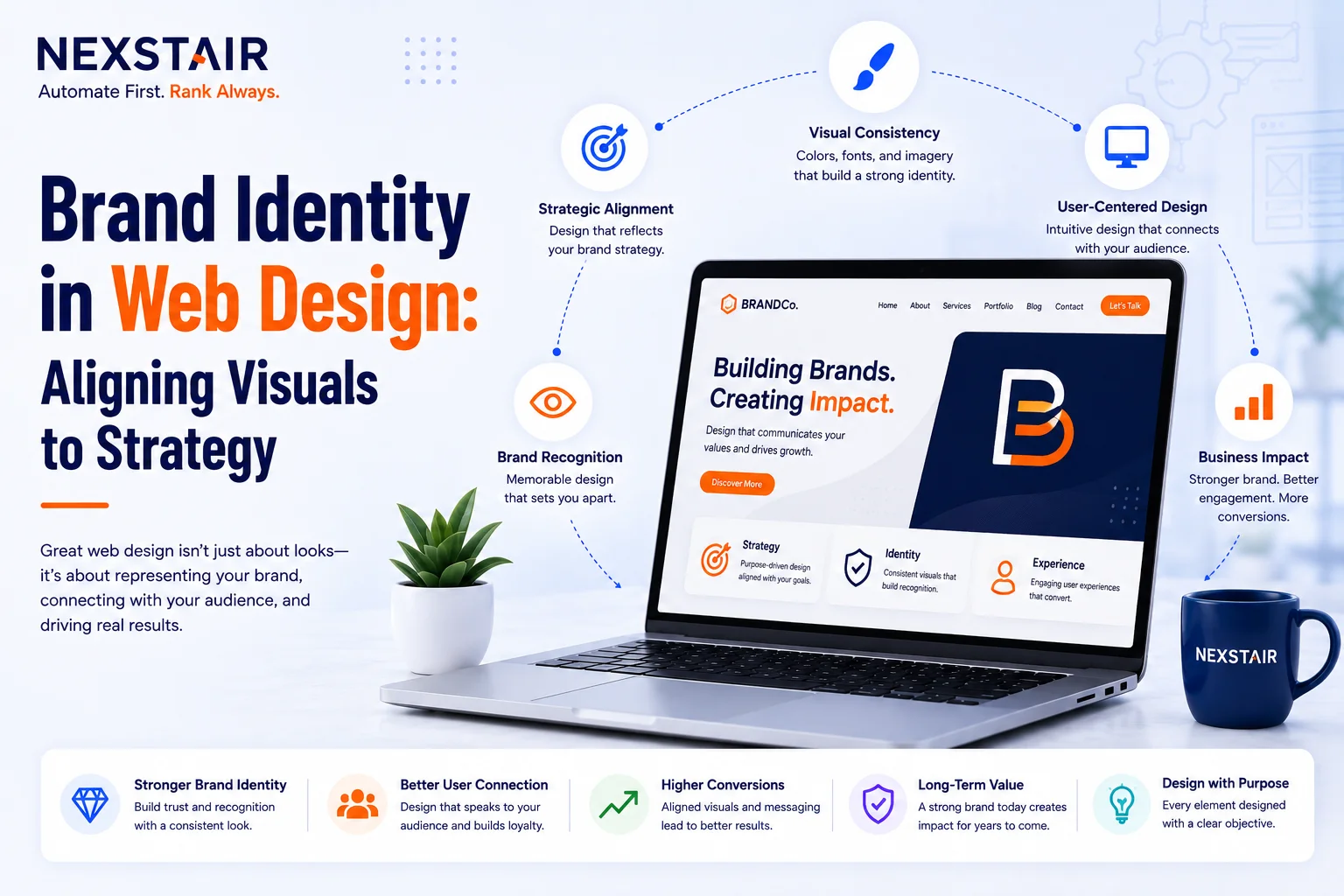
Brand Identity in Web Design: Aligning Visuals to Strategy
Brand identity in web design is the practice of translating a business’s logo, color palette, typography, imagery, and voice into the layout, navigation, and interactions of a website. It turns a static brand guideline into something a visitor actually experiences. Research from the Stanford Web Credibility Project found that 75% of users judge a company’s credibility based on its website design, which means visual branding online carries more weight than most businesses assign it.
A website built without brand strategy behind it tends to drift: colors shift page to page, typography competes with itself, and messaging loses its tone. A website built on a clear brand strategy does the opposite. Every layout choice, from hero section to footer, reinforces the same recognizable identity across devices and screen sizes.
This article covers the core elements that make up brand identity, how a strategy turns into real design decisions, the visual principles that keep a brand consistent, the mistakes that most often break alignment, the tools professional teams use, and how to measure whether a website is actually working as a brand asset. It closes with FAQs on cost, timelines, and what a website design and branding project typically involves.
Why Brand Identity Matters in Web Design
Brand identity shapes first impressions before a visitor reads a single word of copy. A cohesive visual system signals professionalism within seconds, while an inconsistent one raises quiet doubts about reliability.
Trust builds fastest through repetition. Visitors recognize a brand faster when its colors, logo, and typography stay identical across every page, and that recognition compounds into loyalty over repeat visits. A logistics company and a boutique skincare brand need entirely different visual languages, but both need that language applied without exception.
Differentiation follows the same logic. Two competitors selling near identical services can look completely different online if one has invested in a distinct visual identity and the other hasn’t. The distinct one gets remembered; the generic one gets forgotten.
Core Elements of Brand Identity
A brand identity system breaks down into five components that a website design must carry consistently.
Logo
The logo anchors recognition. It needs a primary version, a simplified icon or favicon version, and clear space rules so it never gets crowded by other page elements.
Color palette
A defined palette, usually one or two primary colors plus two to four supporting shades, keeps buttons, headers, and backgrounds visually unified. Random color substitution page to page is the fastest way to erode brand recognition.
Typography
Font choices carry personality. A serif headline font reads differently than a geometric sans-serif, and mixing more than two type families on one site usually signals a lack of a defined system rather than creative range.
Imagery
Photography style, illustration style, and icon treatment need to match in tone. A brand using bright, candid photography loses coherence the moment a page drops in a stock photo shot in a completely different lighting style.
Voice and messaging
Tone belongs to brand identity as much as visuals do. Headlines, button copy, and error messages should all sound like they came from the same source, whether that source is formal, playful, or somewhere between.
Turning Brand Strategy into Visual Design Decisions
Strategy only becomes identity once it’s translated into a repeatable design process. A structured build typically runs through five phases.
Research and discovery comes first. The team studies the brand’s audience, market position, and existing assets to identify what already works and what needs to change.
Strategy and planning follows. User journeys get mapped, visual direction gets defined, and wireframes get drafted before a single final pixel gets placed, which keeps every later decision grounded in a plan rather than guesswork.
Design and copy turn that plan into visuals. High-fidelity layouts, brand-aligned color and type systems, and on-brand copy come together in this phase.
Brand-aligned visual design locks every element, color, typeface, and image, to the brand’s identity rather than to arbitrary preference, producing a cohesive visual language across every page and device.
Handover closes the process. Pixel-perfect files, component documentation, and developer-ready assets ensure the finished website matches the approved design with nothing lost in translation.
Visual Design Principles That Reinforce Brand Identity
Four principles determine whether a brand identity survives the jump from guideline to live website.
- Hierarchy organizes content so users understand what matters most on a page within seconds of landing on it.
- Balance distributes color, spacing, and imagery so no single element overwhelms the layout.
- Contrast draws the eye to calls to action and key information without relying on size alone.
- Consistency repeats the same logo, colors, and fonts across every page, social channel, and email touchpoint a visitor might encounter.
Slack demonstrates this well: a distinctive color palette and playful illustration style carry a friendly, approachable identity across its entire product and marketing site. Mailchimp does something similar with bold typography paired with unconventional illustration, reinforcing a creative, user-focused personality wherever a visitor lands.
Common Mistakes That Break Brand Alignment
Three mistakes account for most brand identity failures in web design.
Inconsistency tops the list. Swapping logo versions, shifting the color palette, or changing fonts between pages confuses visitors and weakens recognition over time.
Overcomplication follows close behind. Busy layouts with too many competing visual elements make a brand harder to remember, not more memorable.
Ignoring user needs rounds out the list. A visually striking site that prioritizes aesthetics over usability drives visitors away before the branding even has a chance to register.
Tools and Platforms for Brand-Aligned Web Design
Professional teams lean on a consistent toolkit to keep brand identity intact from concept to launch.
- Adobe Creative Cloud handles graphic design and visual asset creation for logos, imagery, and brand collateral.
- Figma and Sketch let design teams collaborate on interface layouts and prototype the site before development starts.
- WordPress and Webflow serve as the two most common platforms for building and maintaining the finished, brand-aligned website.
- AI-assisted prototyping tools speed up early layout testing, though experienced designers still refine every AI-generated element so the output reads as distinctly the brand’s own rather than a generic template.
Measuring Whether Your Web Design Reflects Your Brand
Brand alignment isn’t just a visual judgment call. It shows up in measurable performance once a website goes live.
One e-commerce rebuild replaced a slow, conversion-poor legacy platform with a custom, brand-consistent site featuring AI product recommendations. The result: load time dropped by 68% and conversion rate rose by 41% within 90 days of launch. Numbers like these confirm that brand-aligned design isn’t a cosmetic exercise; it changes how visitors behave once they land on the page.
Track these signals to know whether a redesign is working:
- Bounce rate and time on site, which reflect whether visitors trust what they’re seeing enough to stay
- Conversion rate on key actions, from newsletter signups to purchases
- Brand recall in customer surveys or user interviews
- Consistency audits across every page, comparing live pages against the brand guideline
How to Get Started
A brand-aligned website redesign or build usually starts with a discovery call to audit existing assets and define scope. Affordable packages for small businesses and startups start around $1,500, covering custom design, mobile responsiveness, and basic SEO setup. Bespoke professional projects start around $3,500 and include advanced UX strategy and full brand identity integration. Enterprise-scale design systems are scoped and priced individually.
Nexstair’s design team runs projects through the full research-to-handover process described above, with every color, typeface, and layout decision tied back to brand strategy rather than trend. Reach out through nexstair.com to start a design audit.
Frequently Asked Questions
What is brand identity in web design?
Brand identity in web design is the consistent application of a brand’s logo, colors, typography, imagery, and voice across every page of a website. It turns a static brand guideline into a lived visual experience for every visitor.
Why does brand identity matter for a website?
Brand identity matters because 75% of users judge a company’s credibility based on its website design, according to the Stanford Web Credibility Project. A consistent visual identity builds trust faster than a generic or inconsistent one.
What are the core elements of brand identity?
The core elements are logo, color palette, typography, imagery, and brand voice. All five need to work together across every page rather than existing as separate assets.
Does brand identity affect SEO?
Yes. A consistent, well-structured brand identity supports SEO indirectly by improving user experience signals like time on site and bounce rate, both of which search engines weigh when ranking pages.
How much does a brand-aligned website design cost?
Pricing typically starts around $1,500 for small business packages and $3,500 for bespoke professional projects, with enterprise design systems priced individually based on scope.
How long does a brand-aligned web design project take?
Most projects run through five phases (discovery, strategy, design, brand-aligned visual design, and handover), which typically take four to ten weeks depending on site size and revision rounds.
Is brand identity the same as branding?
No. Branding is the broader strategic process of defining a company’s identity, while brand identity is the specific visual and verbal system, logo, colors, fonts, and voice, that branding produces and web design then applies.
What’s the difference between brand identity and web design?
Brand identity defines the visual and verbal system a company uses to be recognized. Web design applies that system within a functional, navigable website. One defines the identity, the other builds the experience around it.
Can a website hurt brand identity if it’s inconsistent?
Yes. Inconsistent colors, fonts, or logo usage across pages actively weakens brand recognition and can make a business look less credible than a smaller competitor with a tighter visual system.
What happens if a business changes its brand identity after launching a website?
The website needs a systematic update across every page, not just the homepage: logo files, color variables, typography, and imagery all need to change together. Partial updates are how inconsistency creeps back in after a rebrand.
Conclusion
Brand identity in web design comes down to translating a fixed set of visual and verbal assets, logo, color palette, typography, imagery, and voice, into every page a visitor encounters. Getting there takes a structured process: research and discovery, strategy and planning, design and copy, brand-aligned visual execution, and a clean handover.
Along the way, hierarchy, balance, contrast, and consistency keep the identity intact, while inconsistency, overcomplication, and ignoring usability are the fastest ways to undo it. The payoff shows up in measurable terms, like the 68% load time reduction and 41% conversion lift one e-commerce rebuild achieved within 90 days. A website that carries its brand identity consistently doesn’t just look right. It performs better, and it starts with the same strategic groundwork every strong brand identity project needs before a single pixel gets designed.
Recent Posts
Related Posts
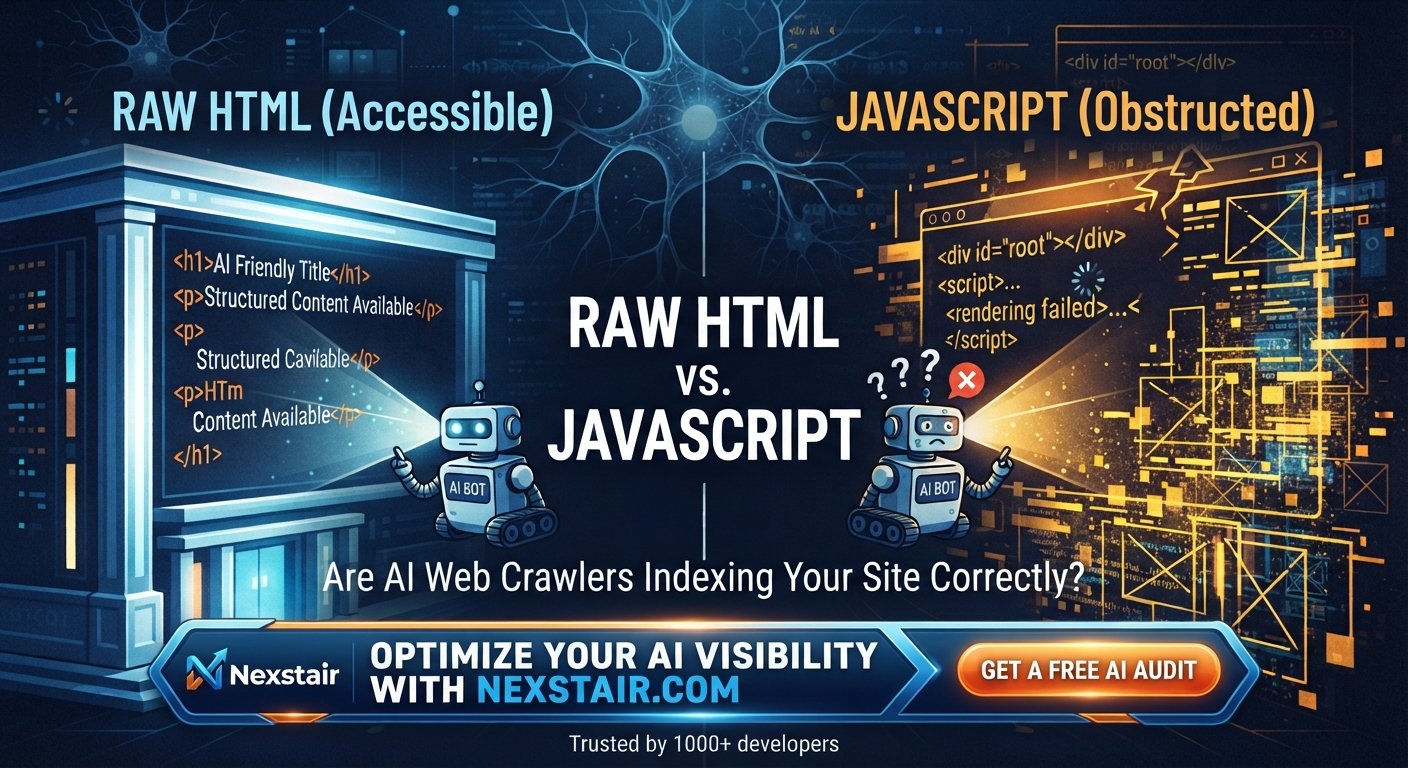
Are AI Web Crawlers Indexing Your Site Correctly?
For years, web developers have relied on JavaScript to power the modern internet, operating under the assumption that search engines...
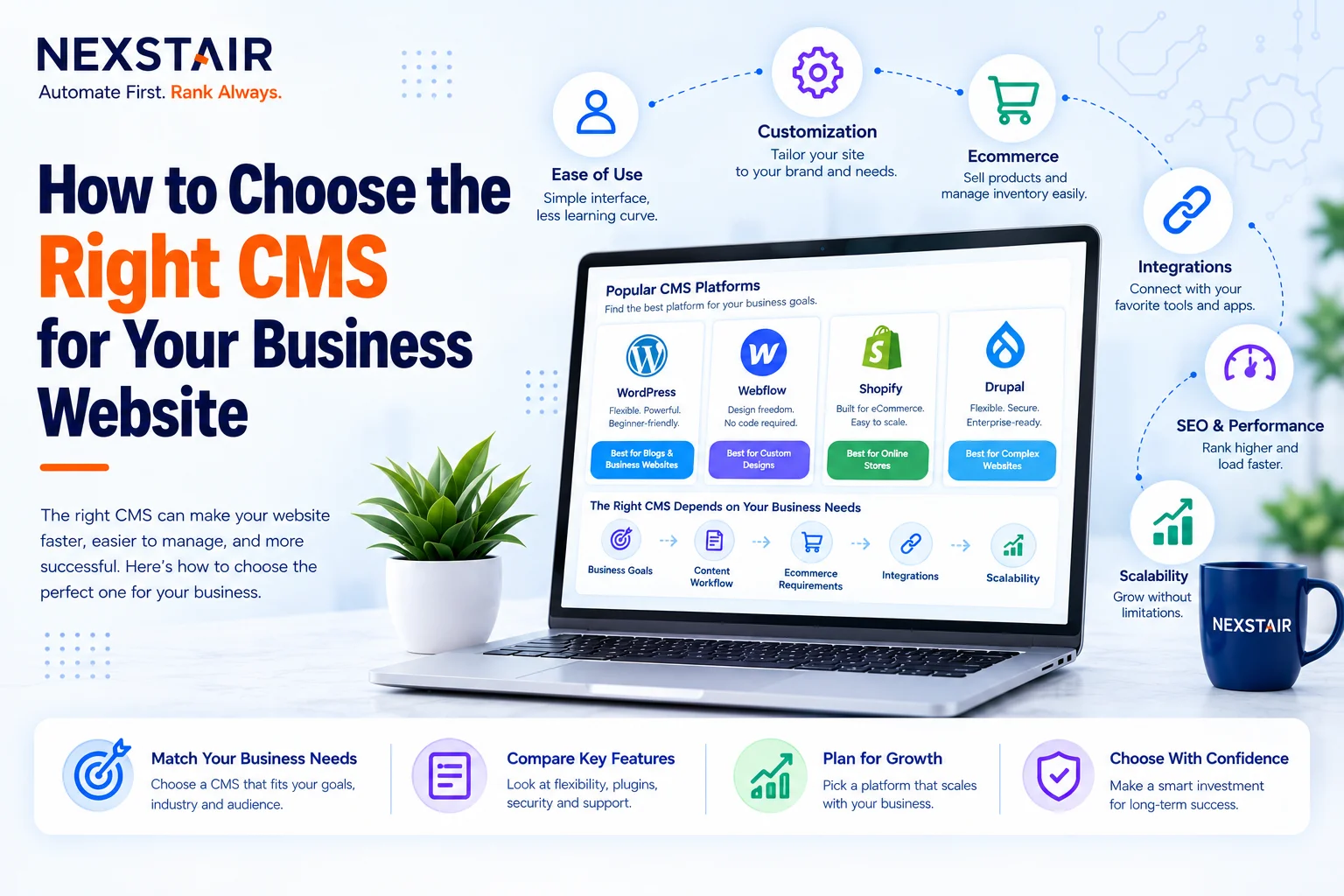
How to Choose the Right CMS for Your Business Website
Choosing a CMS for business use is an architectural decision, not a design decision, even though most business owners approach...

How to Manage Social Media Marketing for Small Business
Learn how to manage social media marketing for small business effectively & proven strategies, planning tips, and tools to grow...
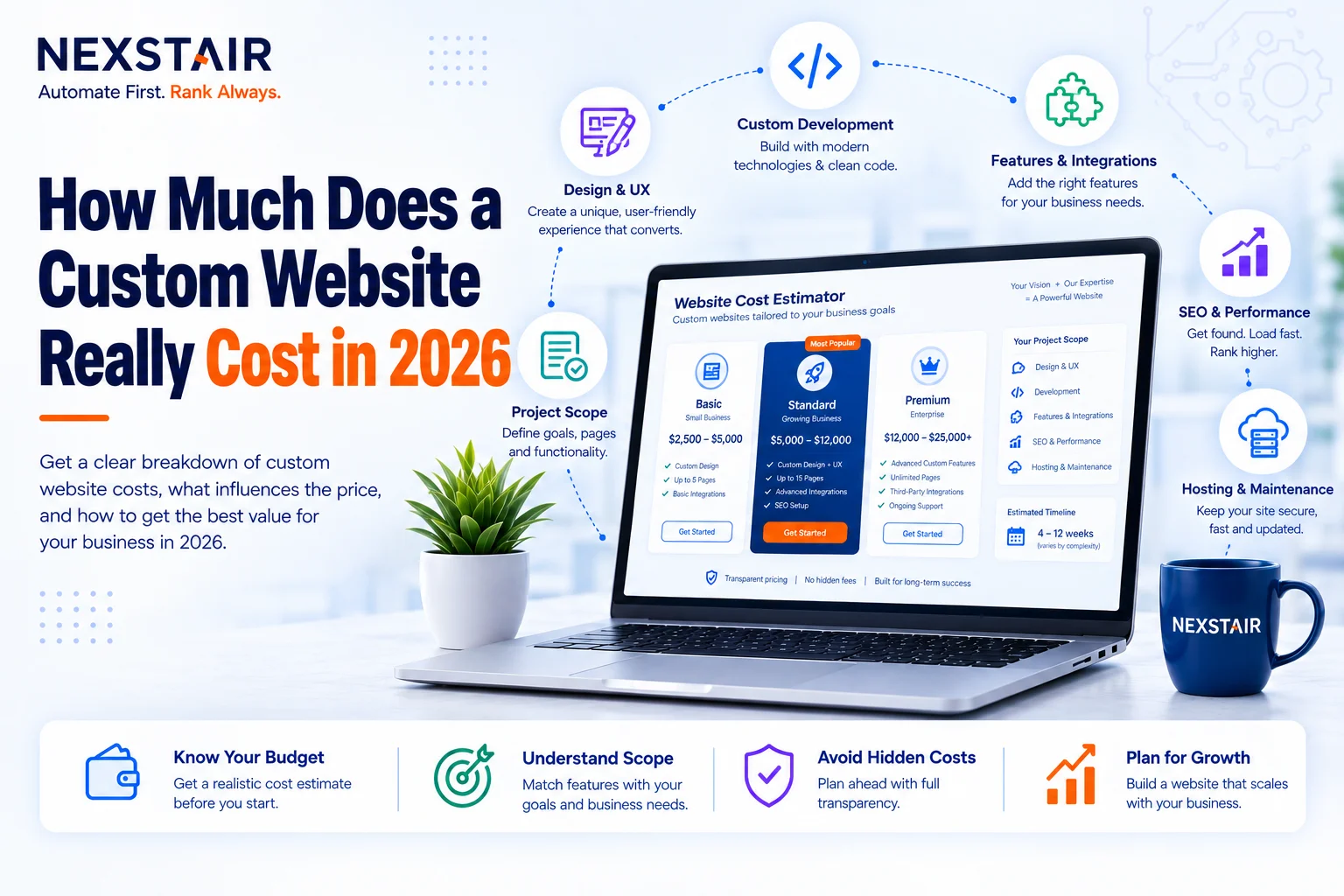
How Much Does a Custom Website Cost in 2026
Ask five agencies what a custom website costs and you’ll get five different numbers, and none of them will be...
Shopify vs WooCommerce: Choosing the Right Ecommerce Platform
Choosing an eCommerce platform is one of those silent factors that can impact your monthly costs, your developers' pain,...